Follow Us on Google
A chieftain of the National Democratic Congress (NDC), Asukewe Ikoawaji, has attributed former President Muhammadu Buhari’s three unsuccessful presidential bids to what he described as his decision to operate a political organisation outside the established party structure.
Ikoawaji made the claim while discussing the importance of party structures and loyalty in Nigeria’s electoral system on ARISE News ahead of the 2027 elections.
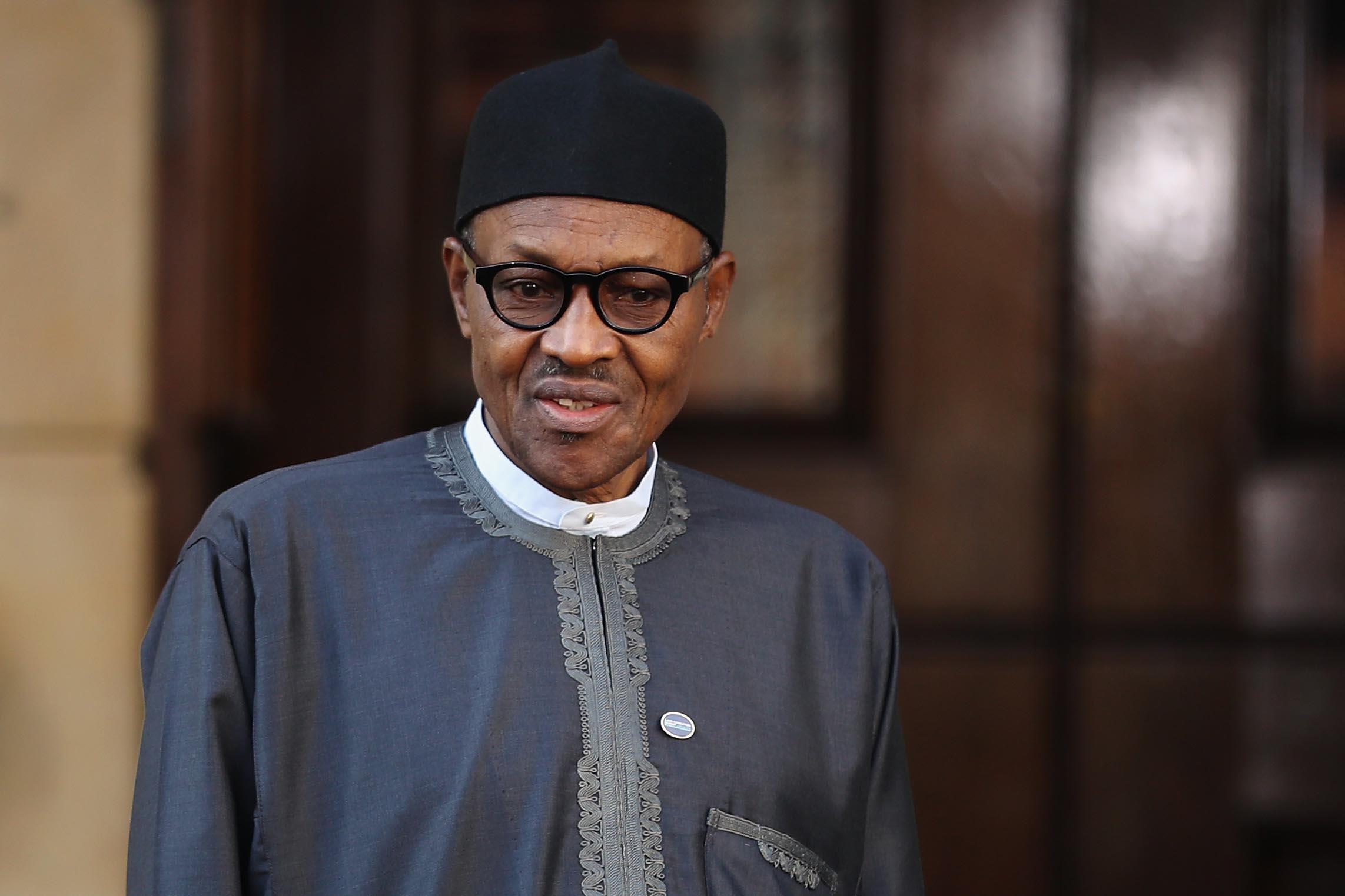
According to him, Buhari’s repeated defeats before eventually winning the presidency in 2015 were not because Nigerians did not support him or because he lacked a political following.
“For some people who have followed me for some time, late General Muhammadu Buhari did not fail election three good times because Nigerians don’t love him. He did not fail election because he doesn’t have the crowd,” Ikoawaji said.
He said his assessment was informed by his experience as a participant in Nigeria’s political system, particularly during the period when Buhari contested presidential elections under the All Nigeria Peoples Party (ANPP).
“I am an insider. I played a major role. I was National Vice Chairman South-South of the deformed All-Nigerian People’s Party, ANPP. I was Deputy National Chairman South. So I have been an insider,” he said.
Ikoawaji argued that Buhari’s political organisation operated separately from the formal party structure, which he said affected his ability to translate his personal following into electoral victory.
“But Buhari failed these three elections because he chose to run Buhari organisation outside the party,” he said.
Buhari contested the Nigerian presidency unsuccessfully in 2003, 2007 and 2011 before winning the 2015 election as the candidate of the newly formed All Progressives Congress (APC).
Other News
Ikoawaji’s argument was part of a broader point about the importance of political parties in Nigeria’s electoral system.
He said Nigerians seeking elective office must understand that they are contesting through political parties and are therefore expected to comply with the parties’ constitutions and guidelines.
“Political parties are formed by human beings. If it is possible, everybody would have formed a political party. But for you to belong to a political party, you must play by the rule,” he said.
He stressed that the requirement applied to candidates at every level, including presidential, governorship and legislative elections.
According to Ikoawaji, the political party remains central to the ballot and electoral process, making party structures important to candidates seeking political office.
“There is no individual name that will be found on the ballot, it is the party. So if you take away the party, nobody can run the election,” he said.
He also said recent Supreme Court decisions had given him reason to remain hopeful about Nigeria’s democracy.
“That is to say that there is a hope in Nigerian democracy,” Ikoawaji said.