Follow Us on Google
By Stephen Ndegwa
China has become one of the leading destinations for African students, with thousands enrolled annually through government scholarships and self-funded programs. These students serve as long-term bridges between societies, shaping perceptions through lived experience.
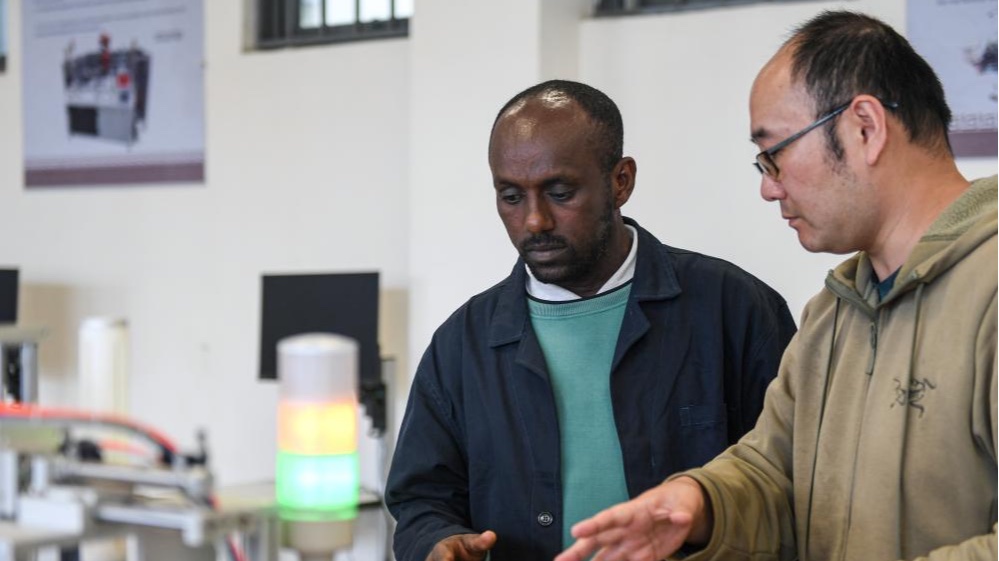
At the same time, Chinese medical teams, agricultural experts, engineers and volunteers working in African communities engage directly with local populations. These grassroots interactions help demystify China for African societies while enabling Chinese participants to better understand Africa’s social realities. Such everyday engagement counters stereotypes and reduces the risk of misperception that can undermine long-term cooperation.
Crucially, people-to-people exchanges facilitate mutual learning between civilizations at a moment when the international order is under strain. China’s development trajectory, particularly its emphasis on poverty reduction, infrastructure investment and state capacity, offers valuable reference points for African countries seeking development paths suited to their own conditions. This two-way learning challenges the idea that modernization follows a single, Western-defined model.
More broadly, deepening civilizational exchange between China and Africa contributes to the collective rise of the Global South. United Nations Development Programme analyses increasingly highlight South-South cooperation as a vital driver of inclusive growth and global development. When societies of the Global South engage directly by sharing experiences, narratives and innovations, they strengthen their collective capacity to shape international norms, rather than remain rule-takers in a system dominated by others.
In an era when global politics is often framed through ideological confrontation, China-Africa engagement offers an alternative logic centered on dialogue, pluralism and development-first cooperation. The African Union’s Agenda 2063, China’s Global Development Initiative, Global Civilizational Initiative and related frameworks emphasize people-centered growth, cultural confidence and respect for national development choices.
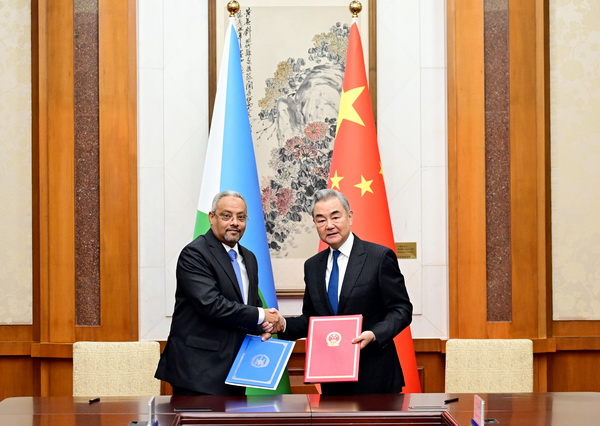
Wang’s visit to Africa should therefore be understood not merely as diplomatic routine, but as a reaffirmation of a long-term strategic and civilizational commitment. By consistently placing Africa first in its diplomacy and elevating people-to-people exchanges, China signals that its partnership with Africa is intended to be durable, adaptive and grounded in societal ties.
China has become one of the leading destinations for African students, with thousands enrolled annually through government scholarships and self-funded programs. These students serve as long-term bridges between societies, shaping perceptions through lived experience.
At the same time, Chinese medical teams, agricultural experts, engineers and volunteers working in African communities engage directly with local populations. These grassroots interactions help demystify China for African societies while enabling Chinese participants to better understand Africa’s social realities. Such everyday engagement counters stereotypes and reduces the risk of misconception that can undermine long-term cooperation.
Crucially, people-to-people exchanges facilitate mutual learning between civilizations at a moment when the international order is under strain. China’s development trajectory, particularly its emphasis on poverty reduction, infrastructure investment and state capacity, offers valuable reference points for African countries seeking development paths suited to their own conditions. This two-way learning challenges the idea that modernization follows a single, Western-defined model.
More broadly, deepening civilizational exchange between China and Africa contributes to the collective rise of the Global South. United Nations Development Programme analyses increasingly highlight South-South cooperation as a vital driver of inclusive growth and global development. When societies of the Global South engage directly by sharing experiences, narratives and innovations, they strengthen their collective capacity to shape international norms, rather than remain rule-takers in a system dominated by others.
In an era when global politics is often framed through ideological confrontation, China-Africa engagement offers an alternative logic centered on dialogue, pluralism and development-first cooperation. The African Union’s Agenda 2063, China’s Global Development Initiative, Global Civilizational Initiative and related frameworks emphasize people-centered growth, cultural confidence and respect for national development choices.
Wang’s visit to Africa should therefore be understood not merely as diplomatic routine, but as a reaffirmation of a long-term strategic and civilizational commitment. By consistently placing Africa first in its diplomacy and elevating people-to-people exchanges, China signals that its partnership with Africa is intended to be durable, adaptive and grounded in societal ties.