Follow Us on Google

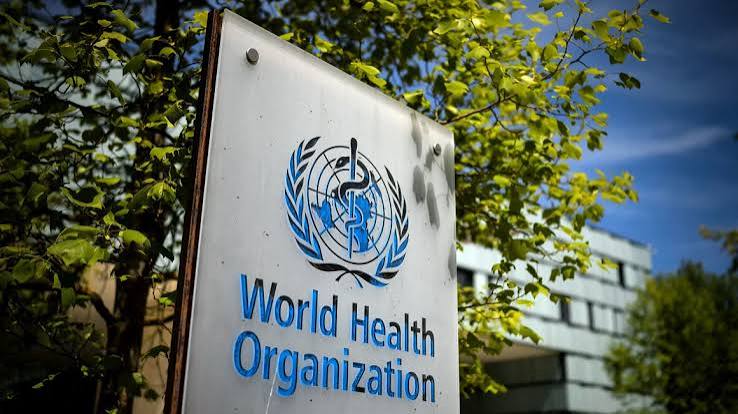
Exposure to hormone-disrupting chemicals can begin before birth, with potentially lifelong consequences for children’s brain development, growth and reproductive health, the United Nations Environment Programme (UNEP) and World Health Organisation (WHO) have warned.
The warning is contained in a new global report released by the two United Nations agencies, which highlights growing scientific evidence linking endocrine-disrupting chemicals (EDCs) to a wider range of health problems in humans and wildlife.
The chemicals, commonly found in everyday products, can interfere with the body’s hormonal system and have been detected in blood, breast milk and umbilical cord blood, exposing babies even before they are born.
According to the report, early exposure can have lasting and, in some cases, irreversible effects on brain development, fertility, reproductive development, metabolism, immunity and cardiovascular health.
UNEP Director of Industry and Economy Division, Sheila Aggarwal Khan, said the chemicals were particularly concerning because hormones regulate essential body functions, including development, reproduction, metabolism and behaviour.
She urged manufacturers to take responsibility for identifying and replacing harmful chemicals in everyday products, noting that businesses have significant control over the substances used in their products.
The report, State of the Science on Endocrine-Disrupting Chemicals 2026, is the first major global update since the 2012 UNEP-WHO assessment. It identifies stronger evidence of links between chemical exposure and reproductive disorders, neurological problems, thyroid dysfunction and other hormonal disturbances.
Newer areas of concern include metabolic liver disease and possible effects on the kidneys, although researchers say important scientific gaps remain.
Other News
WHO Director of Environment, Climate Change, One Health and Migration, Bruce Gordon, said protecting public health required preventing harmful exposure before it occurred, particularly among pregnant women, children and future generations.
He called for stronger scientific monitoring and coordinated action across sectors to ensure chemicals used in everyday products are safe.
The report also warns that the impact extends beyond humans, with exposure linked to impaired reproduction, development and behaviour in fish, birds, amphibians and mammals.
It noted that more than 350,000 chemicals and chemical mixtures are registered for production and use globally, but only a small fraction have been assessed for their potential to disrupt hormones.
Another major concern is that humans and wildlife are exposed to mixtures of chemicals rather than individual substances, while many regulatory systems continue to assess chemicals one at a time.
UNEP has also released a companion report, From Evidence to Action: ‘Addressing Endocrine Disrupting Chemicals Across Sectors,’ outlining practical measures for policymakers in areas including food packaging, cosmetics, toys, textiles, healthcare, agriculture, pharmaceuticals and waste management.
Both reports were launched at the first International Conference of the Global Framework on Chemicals in Geneva, Switzerland, where governments, industry representatives and civil society organisations are meeting from November 16 to 20 to accelerate global action against harmful chemicals and waste.