Follow Us on Google

…$45bn required to achieve that
From Fred Ezeh, Abuja
As the world celebrate 2026 World Malaria Day with the theme: “Driven to End Malaria: Now We Can. Now We Must” the World Health Organization (WHO) has listed five priority steps that could be taken by malaria-endemic countries especially in Africa to achieve the 2030 global target of eliminating malaria.
Firstly, WHO said countries must lead the malaria response with strong national ownership. It noted that when governments prioritize malaria as a dividend of national development and mobilize domestic resources, they lay the foundation for sustainable impact.
Secondly, it suggested a strategic intelligence action. It noted that robust surveillance systems, improved use of evidence and data analytics allow countries to anticipate threats, deploy interventions more effectively and ensure that resources are used where they can achieve the greatest impact.
Thirdly, it highlighted that innovation must be accelerated and scaled equitably. WHO said the introduction of malaria vaccines, new vector control tools, and improved treatment strategies represents a major step forward. At the same time, strengthening Africa’s research capacity and regional manufacturing can help ensure that innovation benefits those who need it most.
Fourthly, it insisted that Primary Health Care (PHC) centres must remain at the center of the malaria response. And that people-centered health services delivered through strong community platforms enable early diagnosis, timely treatment and sustained prevention.
And fifth, WHO noted that ending malaria requires a whole-of-society effort. Environmental, social and economic factors shape malaria transmission.
Other News
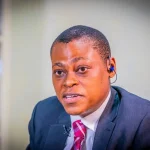
The suggestions were contained in a message by the WHO Regional Director for Africa, Dr. Mohamed Janabi, on the occasion of World Malaria Day, 2026.
He said that addressing the challenges require collaboration across sectors including health, housing, agriculture, education, environment and finance, and there must also be active participation of communities.
He said: “Africa still carries the world’s heaviest malaria burden. In 2024 alone, nearly 600,000 lives were lost in Africa. Three- quarters of those deaths were among young children. These preventable deaths remind us why progress cannot wait. There are encouraging signs of momentum.
“More than ten countries have increased domestic financing for malaria programmes since January 2025. Twenty-five countries are rolling out malaria vaccines, helping protect around 10 million children each year. Next-generation mosquito nets designed to overcome insecticide resistance now account for the vast majority of newly distributed nets.
“Digital technologies are improving our ability to predict, detect and respond to outbreaks. Plus new vector control innovations are expanding our toolbox. But progress is not guaranteed. Funding gaps continue to slow the response. At least $45bn will be needed between 2026 and 2030 to meet global malaria targets.
“Insecticide resistance is widespread. Drug resistance is emerging in some settings.
Climate variability is changing transmission patterns. And humanitarian crises and
displacement are increasing vulnerability.”
He called on governments, partners, researchers, civil society and communities to grasp this historic opportunity. “Let us act together so the next generation of African children and pregnant women can live free from the scourge of malaria.”