Follow Us on Google
The Médecins San Frontiers (MSF), also known as Doctors Without Borders, in its report released on May 12, 2026, stated that Nigeria tops 77 countries in malnutrition cases.
The MSF disclosed that its data showed that over 400,000 new cases of malnutrition were recorded in 2025 across the 10 northern states where it operates.
In this report, some Nigerians suggested what should be done for Nigeria to come out from countries with malnutrition cases.
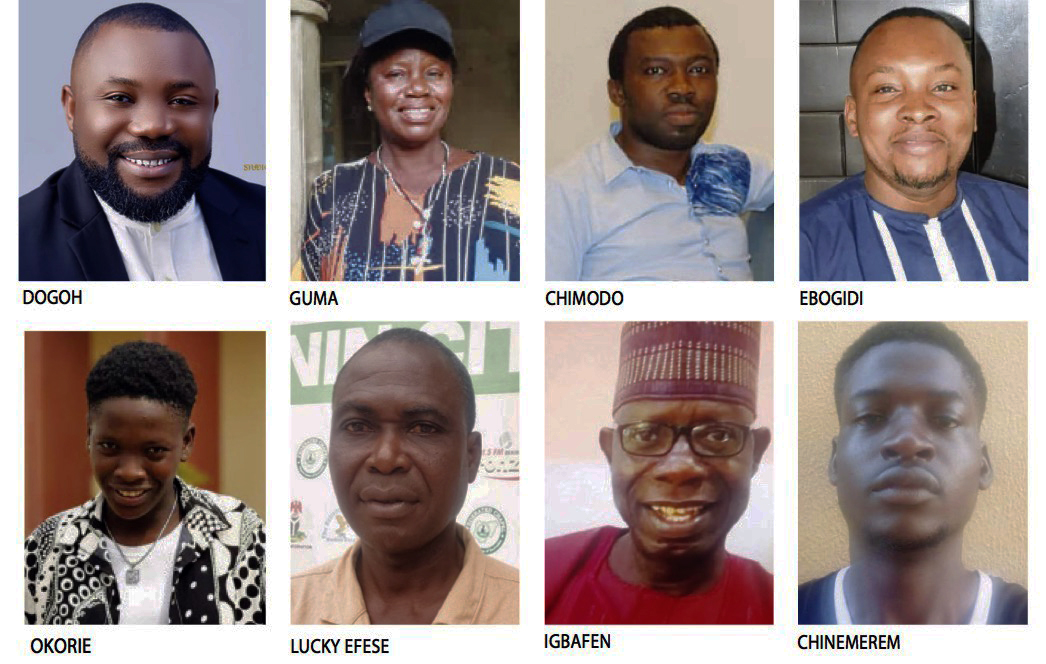
There should be investment in food security – Dr Fanen Dogoh, medical practitioner; Makurdi
It is heartbreaking that a country as blessed as Nigeria is still battling such alarming levels of malnutrition, especially among children and vulnerable families.
Beyond policies on paper, there is a need for deliberate investment in food security, agriculture, maternal and child healthcare, and poverty reduction. Government at all levels must ensure that resources meant for nutrition and healthcare truly reach the people who need them the most. At the same time, tackling malnutrition should not be left to government alone. Communities, private organisations, development partners, and citizens all have roles to play through education, support for local food production, and helping vulnerable families. With sincere leadership, accountability, and collective action, Nigeria can reverse this trend and restore hope to millions of people affected by hunger and malnutrition.
FG should tackle insecurity for farmers to go back to farm – Mrs Agnes Guma, nutritionist, aids worker; Guma
The rising cases of malnutrition in Nigeria are as a result of insecurity and the displacement of farming communities across the country.
Many families who once depended on farming for survival and those producing for the nation are now living in Internally Displaced Persons (IDP) camps, where access to adequate food is difficult.
Most parents can no longer cultivate their farms because of persistent attacks and fear in rural communities. Food distribution in some IDP camps is poorly managed, relief materials meant for displaced persons do not always get to the beneficiaries. Children in the camps are the worst affected because many are not getting enough nutritious food and that is what is leading to increasing cases of malnutrition.
So, the federal government should tackle insecurity and create conditions that would allow farmers to safely return to their farms. If people leave the IDPs and can cultivate their own foods, they can have enough nutritious food. The government should improve the welfare of IDPs and monitor food distribution in these camps to ensure that displaced families receive adequate support. If the government addresses insecurity and hunger simultaneously, the issue of malnutrition in Nigeria would be reduced to the barest minimum.
Govt should expand school feeding, maternal nutrition programme – Paul Chimodo, ICT expert; Port Harcourt
Nigeria must begin to treat food security and child nutrition as national emergencies by investing more seriously in agriculture, rural development, and affordable healthcare. Governments at all levels should support farmers with security, fertilisers, storage facilities, and access to loans, while also expanding school feeding and maternal nutrition programmes to help vulnerable children and families. There must also be stronger action against poverty, inflation, and insecurity, especially in northern Nigeria, where many families can no longer afford balanced meals. Beyond government efforts, private organisations, communities, and international partners should work together to improve awareness about nutrition, clean water, and proper healthcare, so that fewer children suffer from preventable malnutrition.
Govt must invest in social protection for vulnerable families, economically disadvantaged communities – Obinna Ebogidi, peace advocate; Port Harcourt
Nigeria must urgently begin to treat malnutrition not merely as a humanitarian concern, but also as a serious national development and security challenge. Beyond emergency interventions, the government at all levels must invest deliberately in food security, maternal healthcare, rural agriculture, clean water access, and targeted social protection for vulnerable families, especially in conflict-affected and economically disadvantaged communities. It is difficult to separate rising malnutrition from poverty, insecurity, displacement, and weak public health systems. At the same time, there is a need for stronger accountability around public resources allocated to nutrition, healthcare, and agricultural development. As a nation richly blessed with both human and natural resources, Nigeria should not be leading global malnutrition statistics.
Social welfare programmes targeting vulnerable families should be put in place – Rev. Emmanuel Olorunmagba, cleric; Kaduna
This disturbing revelation is a sad reflection of the harsh realities millions of Nigerians are facing daily despite the enormous human and natural resources with which our country has been blessed. It is unacceptable that a nation widely regarded as the giant of Africa should be leading the world in hunger and malnutrition.
Malnutrition is not merely a health issue; it is a direct consequence of poor governance, rising poverty, insecurity, unemployment, inflation, and the neglect of agriculture. A country where families can no longer afford basic meals is a country facing a serious social and economic emergency.
The worsening insecurity across farming communities has greatly reduced food production. Farmers are afraid to go to their farms due to banditry, terrorism, kidnapping, and violent attacks.
Other News
To reverse this dangerous trend, there must be massive investment in agriculture with direct support to local farmers through subsidised fertilisers, improved seedlings, mechanised farming equipment, and accessible agricultural loans. Food security must become a national priority rather than a political slogan.
More so, social welfare programmes targeting vulnerable families, pregnant women, and children must be expanded transparently and without political bias. Nutrition support initiatives should be strengthened particularly in rural areas where poverty levels remain alarming.
Furthermore, corruption and wastage in public service must be drastically reduced. Resources meant for healthcare, food intervention, and poverty alleviation should reach the people they are intended for instead of ending in private pockets.
Govt should address insecurity – Lucky Efese, journalist; Benin
The government should work hard to ensure that insecurity is tackled in the country because so many farmers have not been able to go to their farms due to the high level of insecurity in the country. And when there are no available foods, there is bound to be malnutrition.
Secondly, the government should tackle the issue of hyperinflation. Nigerians can’t afford to purchase foods in the market because of the high cost of goods and services, but the government can help to ensure that there is a strict price control system.
Sanity in governance must be restored – Prof. Monday Igbafen, lecturer; Benin
The report of San Frontiers (MSF) in relation to the resurgent cases of malnutrition in Nigeria’s northern states, is a manifestation and dialectical symptom of an underdeveloped country. The development is not surprising considering the obvious deficit of good governance typified by the debilitating corruption index among the ruling class in Nigeria. The humongous resources that should have been channelled to mitigate the scourge of malnutrition end up in the personal bank accounts of the country’s corrupt leaders. There must be a consciously organised social action to restore sanity in governance in Nigeria as an antidote to the rising cases of malnutrition and other festering negativities in Nigeria.
Govt should inject huge funds into agriculture – Emmanuel Chinemerem – public affairs commentator; Aba
It is quite embarrassing that Nigeria tops 77 countries in malnutrition cases globally. It is not a thing of joy with the abundant resources God has given to Nigeria, but the country still finds itself in this unfortunate situation. For me, the Médecins San Frontiers (MSF) report showing about 400,000 new cases of malnutrition, recorded in the country in 2025, is too small. The figure should be higher going by what is on the ground today.
For the country to come out of this ugly and embarrassing situation, the government should give all genuine farmers incentives for them to produce enough food for the country. Governments at all levels should inject more funds into the agriculture sector to boast food production in the country.
Govt should allow food importation – Victory Okorie – student; Aba
The report released by Doctors Without Borders that Nigeria tops 77 countries in malnutrition cases is as disturbing as it is embarrassing going by the enormous resources at our disposal. Some people may attribute that to the size of the country’s population. But when you realise that a country like China, with over one billion population, feeds her people and still has surplus for export, one begins to marvel.
To address this issue, since for whatever reason the country cannot produce enough food to feed her population, the government should allow for the importation of food, especially rice that appears to be the country’s stipple food. Again, incentives should be given to our local farmers to enable them produce more food than the imported ones.
Govt should put in place better condition of living – ‘Bolaji Adeniji, communications consultant; Abeokuta
The statistics from Doctors Without Borders are not too far from the truth and this has been long coming. The prognosis of this unenviable scorecard for Nigeria stems essentially from two things, which are unfavourable economic conditions and literacy level of the masses. For any people to have good nutrition, they must have access to quality food that is balanced in diet and requisite nutrients; and the question is, with the present economic conditions and eroding of disposable income, many households are barely holding up to even feed twice a day; and eating healthy and in good quantity comes with affordability which is far from many Nigerians that are impoverished largely.
The second factor as mentioned earlier is the literacy level of the people in terms of nutritional value in what they consume. Aside from finance impediments, the lower rung of the Nigerian society particularly is largely uneducated to curate meals that are sufficient in required nutrients and right proportions. Survivalist mindset has made us feed just to have our tummies filled – which explains the overdose of carbohydrates and bad fats in our feeding orientation, therefore kids grow up with malnutrition and with low brain power. The solutions are better conditions of living and education.
Govt should invest in bio-fortified crops that have higher nutritional value – Adebayo Ayotunde Awal, photographer; Abeokuta
I think investing in agriculture and food systems will help promote the cultivation of crops rich in essential vitamins (such as Vitamin A-enriched cassava or iron-enriched beans). A crop such as bio-fortified has higher nutritional value without requiring a change in eating habits.
Another way is to support small holder farmers. Most of Nigeria’s food is produced by small farmers. Providing them with better infrastructure (storage to prevent post-harvest loss) and access to modern farming practices, I believe, will lower market prices and increase local food availability.