Follow Us on Google
- Says 13-year project cost over $1m, debts remain
By Beifoh Osewele
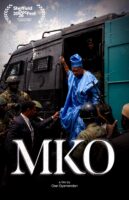
Former Nigerian journalist with the defunct Concord Press and filmmaker, Ose Oyamendan, has disclosed that his documentary on Chief Moshood Kashimawo Olawale Abiola and the June 12 struggle, MKO, cost more than $1 million to produce over almost 13 years, with part of the money still owed.
Oyamendan also revealed that the filmmakers had to mortgage the documentary to gap financiers to raise funds to complete the project.
Speaking ahead of the national premiere of the 108-minute documentary at the Wole Soyinka Centre for Culture and the Creative Arts, Iganmu, Lagos, Oyamendan said the project demanded enormous financial resources, time and personal sacrifice.
“A lot of time — almost 13 years,” he said. “It took a lot of money, over a million dollars, a lot of it that we’re owing.”
He said the funding challenge became so severe towards the completion of the project that the filmmakers had to surrender ownership interests in the work to secure additional financing.
“We have a film we do not own because we had to mortgage it to gap financiers just to complete it,” Oyamendan said.

Beyond the financial burden, he said making MKO repeatedly took him away from his family as he travelled across countries and continents in search of key actors and witnesses to the events surrounding the June 12, 1993 presidential election and its aftermath.
“It takes you away from home a lot,” he said.
Oyamendan, who jokingly compared the lengthy production process to undergoing another National Youth Service, added: “It’s like doing another youth service, only much, much longer.”
The filmmaker said nearly 800 hours of interviews, archival footage and other material were eventually distilled into the 108-minute documentary.
He said the effort was driven by the need to properly document a defining period in Nigeria’s history and make the record available to future generations.
“I think it’s a great day for Nigerian history,” he said. “We are able to actually document this period, and we are able to lay a foundation for tomorrow to remember yesterday.
“And for me personally, it’s an accomplishment in the sense that we accomplished finishing the film and bringing it back home for our people to see.”
Oyamendan, who worked in the Concord newspaper organisation founded by Abiola, said one of his major objectives was to ensure that his personal relationship with the subject did not compromise the documentary.
“Going into this film, my first objective was that I am going to take my biases out of it,” he said.
He added: “When you don’t tell your story, somebody will tell it for you and it’s not always rosy.
“June 12 is a significant part of our history and we must know it. You build strength from knowledge.”
MKO features interviews with several key actors in the June 12 saga, including former military leaders, political office holders, diplomats, activists, journalists and members of the Abiola family.
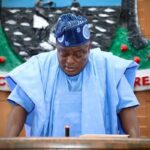
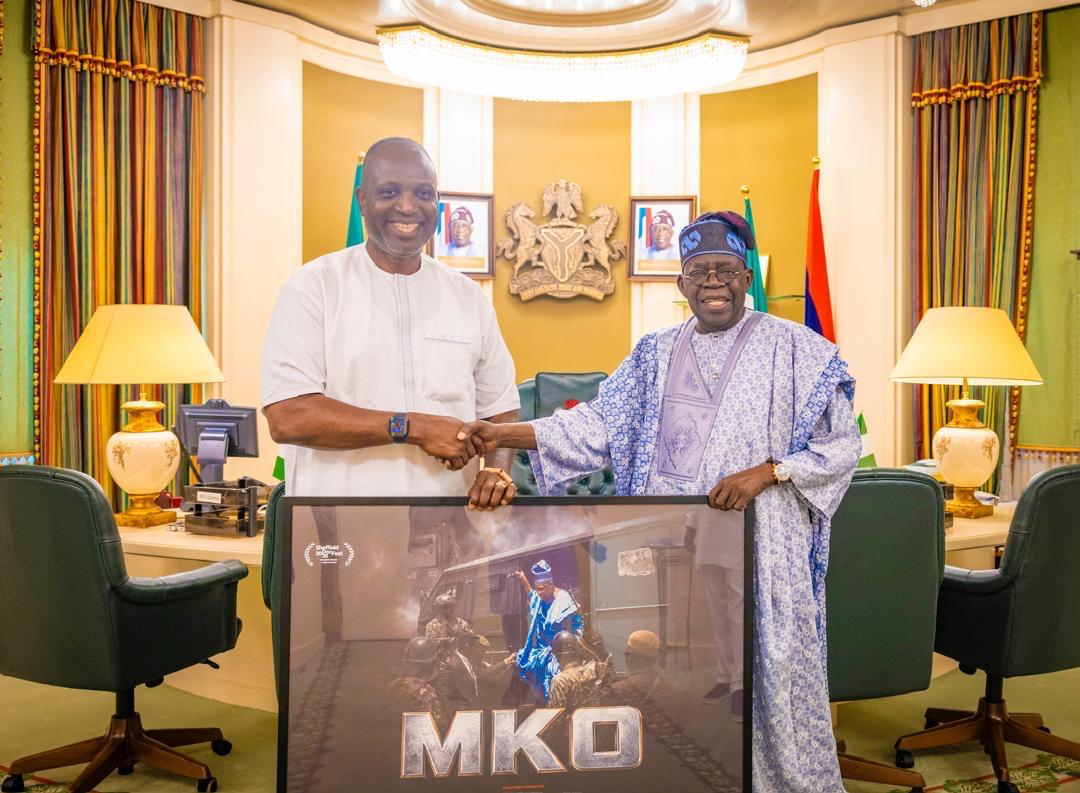
The October 1 national premiere was hosted by President Bola Ahmed Tinubu and watched by top government officials, members of the diplomatic community, leading figures from commerce and industry, media personalities and people from different walks of life.
The presidential presence added another layer of symbolism to a documentary revisiting a struggle in which Tinubu himself participated more than three decades ago.
Oyamendan said his ambition was for the documentary to travel beyond film festivals and commercial cinemas to schools and communities across the country.
“We want to take it to schools, towns, villages and anywhere where there are people,” he said.
“You’re creating something for my children and your children, laying a foundation for tomorrow to remember yesterday.”
Following its October 1 national premiere in Lagos, MKO will open in cinemas nationwide from October 2, taking the story of Abiola, the annulled June 12 election and the struggle that followed to a much wider Nigerian audience.