Follow Us on Google
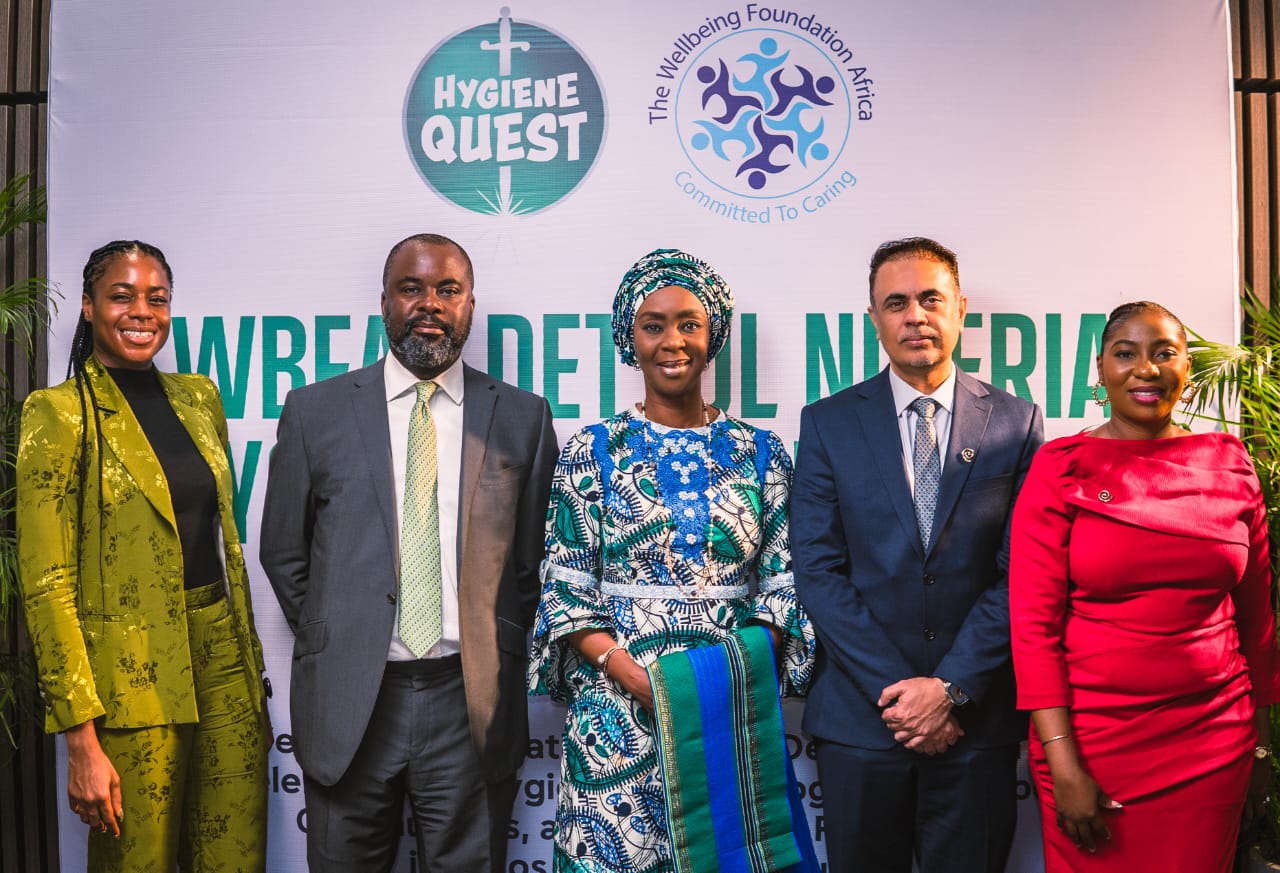
The Wellbeing Foundation Africa (WBFA), in partnership with Reckitt–Dettol Nigeria, recently marked the successful close-out of Phase 2 of their Hygiene Quest programme, celebrating three years of transformative hygiene education across Nigeria.
During the Phase 2 implementation, the initiative reached an impressive 272,787 students across 620 schools, engaging nearly 40,000 community members and educating over 87,500 mothers through targeted Baby Wash sessions across Lagos, Kwara, and the Federal Capital Territory (FCT), Abuja.
The programme’s impact extends to healthcare, having trained 5,144 healthcare workers in Infection Prevention and Control through the TEACH CLEAN module, alongside conducting 1,971 facility-based hygiene education sessions. This comprehensive approach underscores the partners’ commitment to fostering sustainable hygiene practices at multiple levels, from schools and households to healthcare settings.
Launched to address critical hygiene challenges, the WBFA-Dettol Hygiene Quest aims to increase handwashing rates, reduce disease incidence, and decrease absenteeism linked to poor hygiene.
Through school-based education, community projects, and healthcare worker training, the initiative has significantly contributed to improved public health awareness and behaviours, supporting national health goals and the United Nations Sustainable Development Agenda in Nigeria.
In her opening address, in Lagos, Founder/President, WBFA, H. E. Mrs. Toyin Ojora Saraki, described the programme as “a coherent ecosystem of health literacy and infection prevention that bridges classrooms, clinics, and communities.”
She noted that the DHQ modules – The Unseen World, The Power of Clean, The Baby Wash, alongside TEACH CLEAN and MamaCare360 align with national and global frameworks including Nigeria’s PSHE curriculum, WASH-in-Schools standards, and UNESCO sustainability competencies.
“When hygiene education is structured and consistent, it becomes a powerful enabler of gender equity, improved child health, school attendance, and stronger community resilience,” she added.
Managing Director, Reckitt Sub-Saharan Africa, Mr. Akbar Ali Shah, highlighted Dettol’s decade-long investment in improving hygiene behaviours in Nigeria.
“Teaching simple, lifesaving habits such as proper handwashing can transform the health trajectory of families and communities. Through Hygiene Quest, we are shaping healthier routines in homes and schools, and strengthening the capacity of frontline workers to prevent illness before it begins,” he said.
The Slum and Rural Health Initiative (SHRIN), the programme’s measurement partner, also presented the National Impact Scorecard, demonstrating improved hygiene knowledge, safer behaviours, and strengthened institutional capacity.
A major highlight of the event was the award ceremony for the DHQ National Spelling Bee Competition with the Primary Category Winner: Garuba Abdulkareem, Zibah Model School, from Abuja, and the Secondary Category Winner: Ola Blessed Bisodun, LEA JSS PW, Abuja. Awards were presented by representatives of Dettol and WBFA.
Senior representatives from the Lagos State Ministry of Health, the Federal Ministry of Water Resources and Sanitation, and the Kwara State Ministry of Education delivered goodwill messages, commending the DHQ programme for complementing national WASH goals, strengthening school health systems, and fostering sustainable hygiene practices.
The WBFA–Dettol Hygiene Quest Phase 2 Close-Out Event reinforced the power of long-term partnerships in advancing Nigeria’s hygiene agenda and demonstrated how evidence-based, community-aligned interventions can drive lasting behavioural change.