Follow Us on Google
By Adanna Nnamani, Abuja
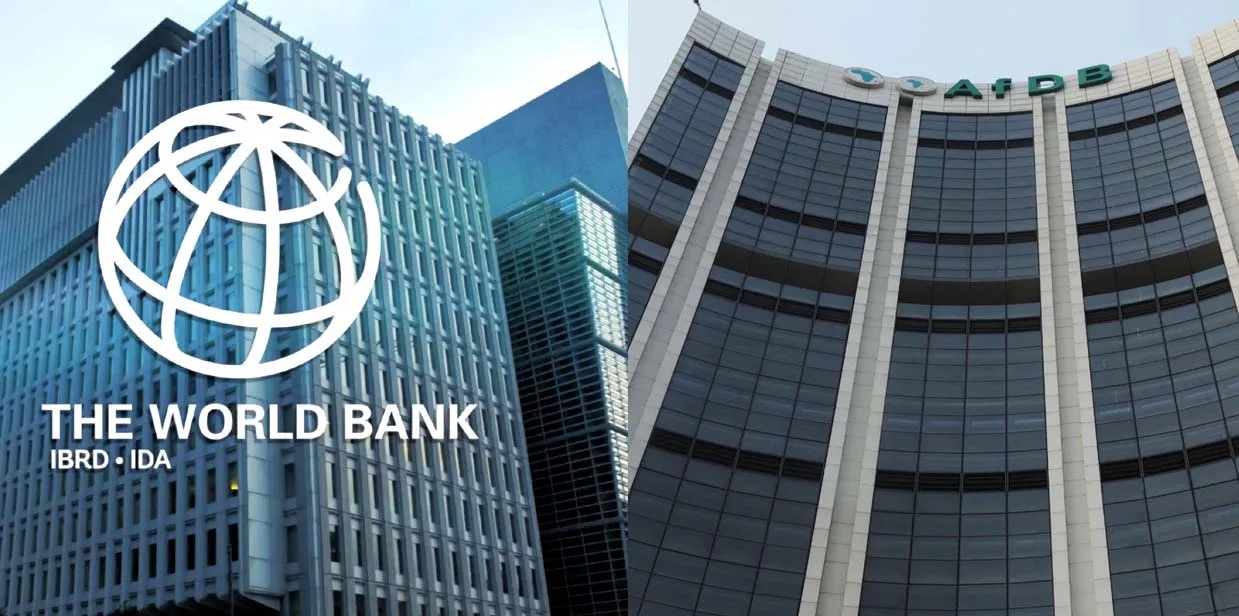
The World Bank has approved a $1.5 billion loan to Nigeria, following the country’s implementation of key economic reforms, including the removal of fuel subsidies and the introduction of new tax policies. This loan is part of a broader $2.25 billion financial support package aimed at stabilising the Nigerian economy and boosting fiscal sustainability.
The package consists of two major operations: the $1.5 billion Nigeria Reforms for Economic Stabilization to Enable Transformation (RESET) Development Policy Financing Program (DPF) and a $750 million Nigeria Accelerating Resource Mobilization Reforms (ARMOR) Program-for-Results (PforR). Together, these programs provide immediate financial and technical assistance to Nigeria’s urgent efforts to stabilise its economy and safeguard the most vulnerable populations.
The World Bank’s support aims to help Nigeria raise non-oil revenues, ensure fiscal sustainability, and provide quality public services while safeguarding oil revenues. The loan is structured in two tranches with different maturity periods: the first $750 million credit from the International Development Association (IDA) has a 12-year maturity and a six-year grace period, while the second tranche, also for $750 million, comes from the International Bank for Reconstruction and Development (IBRD), with a 24-year repayment period and an 11-year grace period.
Other News
The first tranche was disbursed in July 2024, with the second tranche released in November 2024, following the fulfillment of key economic reform conditions. These reforms include unifying Nigeria’s multiple official exchange rates, adjusting gasoline prices to phase out the costly fuel subsidy, and implementing strict fiscal and monetary policies aimed at curbing inflation and boosting economic growth.
The RESET DPF focuses on strengthening Nigeria’s economic policy framework by creating fiscal space and protecting economically vulnerable groups. Meanwhile, the ARMOR PforR is designed to support efforts to enhance tax collection, strengthen customs administrations, and protect oil revenues. The World Bank praised Nigeria for moving ahead of the required reforms, notably in fully deregulating the fuel market by October 2024, where fuel prices are now determined by international market prices and the exchange rate set by the Central Bank of Nigeria.
World Bank Vice President for Western and Central Africa, Ousmane Diagana, expressed support for Nigeria’s reform efforts, emphasizing that the country’s bold macro-fiscal changes are essential to stabilizing its economy and lifting citizens out of poverty. He stressed the importance of continuing reform momentum to protect the poor and mitigate the effects of high living costs. Wale Edun, Nigeria’s Minister of Finance and Coordinating Minister of the Economy, welcomed the loan, stating that the reforms would lay a foundation for sustained, inclusive growth and job creation. He highlighted the World Bank’s role in supporting Nigeria’s reform agenda and ensuring the country’s economic future.
The financing package, analysts note, signifies a significant step in Nigeria’s ongoing efforts to address long-standing economic distortions and strengthen its fiscal outlook, setting the stage for long-term growth and poverty reduction in the country.