Follow Us on Google

By Chinenye Anuforo
West Africa Telecommunications Regulators Assembly (WATRA), has reaffirmed commitment to promoting a harmonised digital policy and regulatory environment across West Africa stating that consistent, coordinated regulation is key to unlocking investment, and growth in the region’s digital economy.
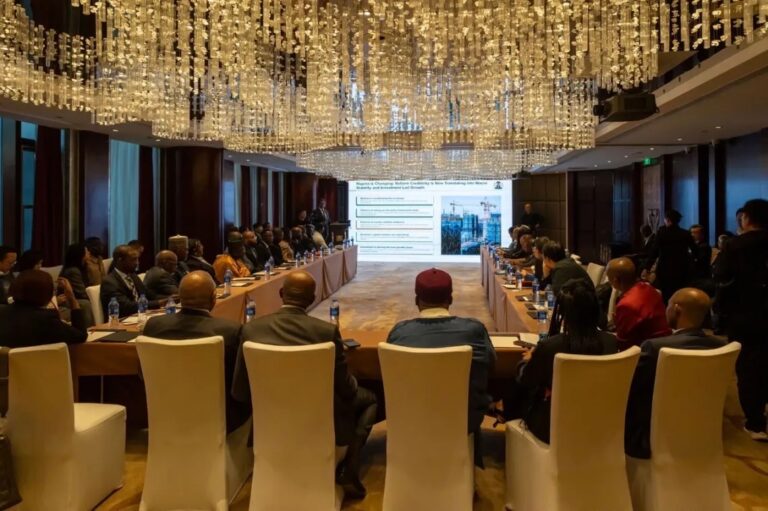
The Executive Secretary, WATRA, Mr. Aliyu Yusuf Aboki stated this during his speech at the opening of the third meeting of WATRA’s Working Groups in Accra, Ghana.
Aboki emphasised that a harmonised regulatory space would turn West Africa into a coherent, unified digital market attractive to global and regional investors.
“WATRA is not just facilitating dialogue we are laying the foundation for a seamless regional market where innovation and investment can thrive. This meeting in Accra reflects our collective determination to build regulatory infrastructure that enables inclusion, trust, and scale”, said Mr. Aboki.
Hosted by Ghana’s National Communications Authority (NCA), the four-day high-level session brings together telecom regulators, private sector leaders, development partners, and digital policy experts to share knowledge and experiences and develop recommendations that will refine regional frameworks in three key areas: consumer experience, infrastructure development, and cybersecurity.
The ECOWAS region, with a population exceeding 400 million, holds immense potential as a single digital market. However, fragmented national regulations have historically led to dispersed investment environments, increased compliance costs, and inefficiencies in service delivery. By aligning rules and standards across borders, harmonisation effectively expands the market size available to various digital players, including telecom operators, fintechs, digital platforms, and infrastructure investors. This streamlined approach reduces costs and risks while simultaneously increasing innovation and competition.
“Regulatory harmonisation transforms fragmented national markets into one larger, more investable region. It’s the gateway to building regional tech champions, improving affordability for consumers, and fostering resilient digital systems”, Aboki explained.
Other News
WATRA’s Working Groups on Consumer Access and Experience, Infrastructure Development, and Cybersecurity are the Assembly’s strategic engines for technical cooperation and reform. Under Mr. Aboki’s leadership, they are designing regional frameworks that serve as models for national implementation.
“The Working Groups produce actionable, home-grown solutions that regulators can adapt to national contexts. They are where vision meets implementation”, Aboki said.
West Africa’s telecommunications industry is a cornerstone of the region’s economic development. With over 250 million mobile subscribers, more than 120 million internet users, and nearly 15% of Nigeria’s GDP coming from ICT, the sector plays a transformative role in commerce, education, governance, and job creation.
Yet, the absence of harmonised rules continues to impede regional scale. Aboki stressed that the creation of a Single Digital Market in West Africa could unlock billions of dollars in annual value, supporting seamless mobile roaming, digital financial inclusion, cross-border e-commerce, and regional cloud infrastructure.
The Accra meeting will finalise recommendations and technical outputs for validation and adoption at WATRA’s next Conference of Regulators. These outcomes are expected to serve as shared regional standards improving regulatory consistency while respecting each country’s unique context.
Ghana’s Acting Director-General of the NCA, Edmund Yirenkyi Fianko, expressed support for the harmonisation effort, citing Ghana’s leadership in ECOWAS free roaming and regional cybersecurity frameworks.
Since taking office, Mr. Aboki has steered WATRA into a new era of proactive, consensus-driven regional leadership. His efforts are helping to position the Assembly as a continental thought leader in telecom and digital regulation bridging national priorities with a unified regional vision.
“Regulation should be an accelerator of innovation, not a barrier. Through harmonisation, we can build a larger, safer, and more inclusive market that delivers real benefits to citizens, investors, and governments alike”, he concluded.