Follow Us on Google

By Chinenye Anuforo
The West Africa Telecommunications Regulators Assembly (WATRA) has reaffirmed its commitment to building a secure, inclusive and resilient digital ecosystem across the sub-region, as West Africa’s digital economy surges past $216 billion in value.
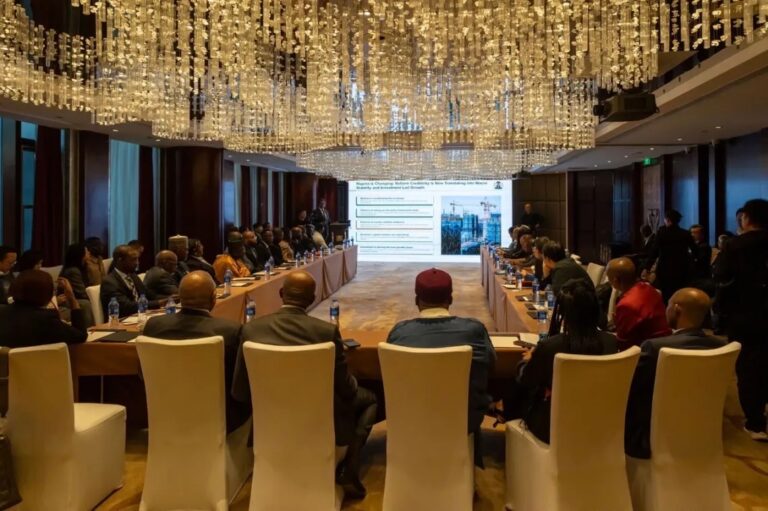
This position followed the successful conclusion of its 4th Working Groups Meeting held in Ouagadougou, Burkina Faso, hosted by the Autorité de Régulation des Communications Électroniques et des Postes du Burkina Faso (ARCEP).
The high-level gathering brought together telecom regulators, policymakers, and technical experts from across WATRA’s 16 member states under the theme: “Building a Secure, Inclusive, and Resilient Digital Ecosystem for West Africa.”
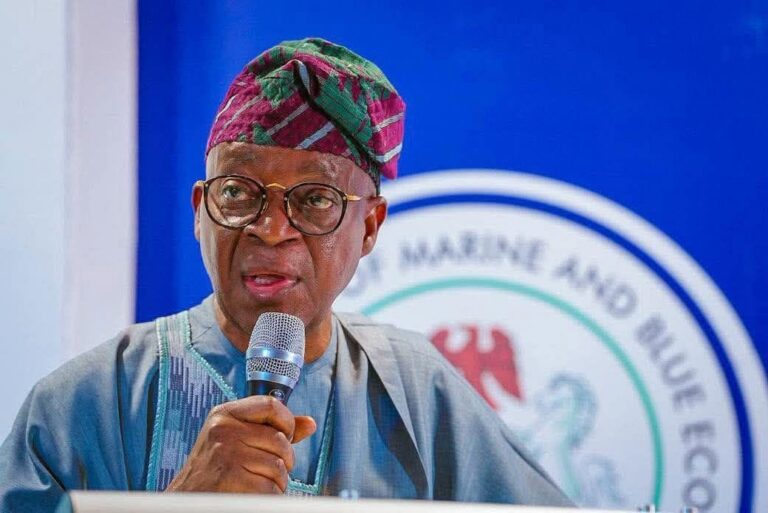
Speaking at the meeting, WATRA Executive Secretary, Aliyu Yusuf Aboki, described the outcome as a turning point for regional digital governance.
“Nearly two years after establishing the Working Groups, what began as a vision has evolved into a dynamic mechanism for coordination, peer learning, and knowledge exchange,” he said.
He noted that the assembly has now moved beyond discussions to delivering concrete regulatory tools aimed at guiding policy across member states.
The meeting produced a series of technical reports targeting critical areas of the region’s fast-evolving telecom landscape. These include 5G deployment strategies, submarine cable resilience, cybersecurity frameworks, consumer protection policies, and regulation of non-geostationary satellites (NGSO).
According to Aboki, these outputs are designed to serve as practical instruments for governments and regulators.
“These reports are not merely formalities. They will inform policy, guide regulatory action, and strengthen regional harmonisation,” he stated.
WATRA’s renewed push comes at a time when West Africa is experiencing accelerated digital transformation driven by fintech, artificial intelligence, and the Internet of Things (IoT).
The ECOWAS region, with over 400 million people and a combined GDP estimated between $700 billion and $800 billion, is increasingly leveraging technology as a growth engine.
Digital technologies now contribute between 4 and 6 per cent of GDP in many African markets, with mobile technologies alone accounting for up to 5 per cent in West Africa.
Nigeria remains the dominant player, contributing more than two-thirds of the region’s economic output and hosting some of Africa’s largest telecom and fintech ecosystems. Meanwhile, Ghana, Côte d’Ivoire, and Senegal are emerging as strong digital innovation hubs.
Experts say the coordinated regulatory approach being championed by WATRA is critical to ensuring that growth in the digital sector translates into broader economic and social impact.
The digital economy is already driving increased productivity, new business creation, expanded access to financial services and healthcare, and greater inclusion of rural and underserved populations.
Aboki stressed that adaptive regulatory frameworks are now essential, particularly in data protection, cybersecurity, and digital governance.
The outcomes of the Ouagadougou meeting will feed into the evaluation of WATRA’s 2022–2025 Strategic Plan and help shape its next roadmap for 2026–2030.
Recommendations from the Working Groups are expected to be presented to the WATRA General Assembly for adoption.
WATRA also commended the Government of Burkina Faso and ARCEP for hosting the meeting, with special recognition given to Dr Pasteur Poda and Mr Patrice Compaoré for their leadership.
As West Africa positions itself as one of Africa’s fastest-growing digital markets, stakeholders warn that fragmented regulation could slow progress.
WATRA’s push for harmonised policies is therefore seen as a strategic move to unlock cross-border opportunities, attract investment, and ensure that the benefits of digital transformation are widely shared.
“As we transition into the next strategic cycle, even greater impact will depend on sustained collaboration across the region,” Aboki added.
With digital technologies reshaping economies globally, West Africa’s ability to coordinate regulation may prove decisive in determining how much of the digital future it captures.