Follow Us on Google

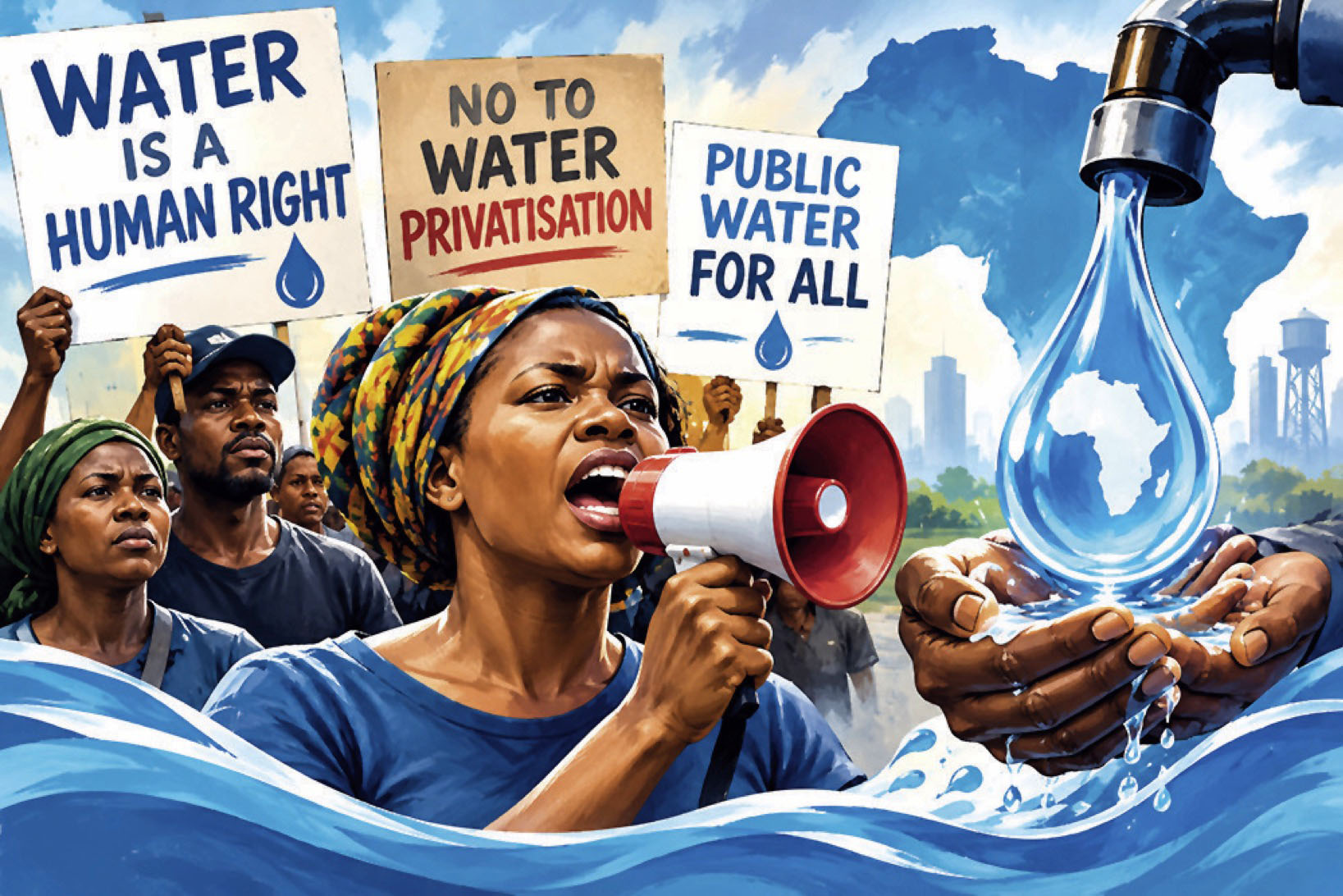
For a struggling family, the money spent buying water may be the difference between putting food on the table and going hungry. For millions of poor households across Africa, access to this essential resource is increasingly a daily struggle, forcing families to pay for water even when public supply is unreliable.
But African civil society organisations, labour unions and water rights campaigners say no one should be denied water because of poverty, insisting that governments must guarantee free access to a basic quantity of safe water for essential domestic needs.
Their demand comes amid growing concerns over water privatisation, rising tariffs and the introduction of prepaid meters, which they fear could turn an essential human right into a service available only to those who can afford it.

Under the Our Water, Our Right Africa Coalition (OWRAC), the campaigners are urging governments across the continent to reject policies that place commercial interests above the welfare of citizens and instead invest in publicly funded, accountable water systems capable of serving everyone.
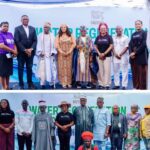
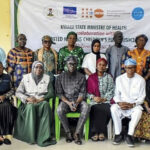
They made the call in Lagos during the 2026 Africa Week of Action Against Water Privatisation, held from October 12 to 18, under the theme, “Reclaiming Africa’s Water Future: Public Water for All.”
For the campaigners, the issue is not simply who owns or manages water infrastructure. It is whether a person’s financial circumstances should determine access to a resource indispensable to human survival.
Their position is that governments must guarantee water for basic human needs, particularly for households that cannot afford to pay, while ensuring that public utilities receive adequate funding to deliver reliable services.

The human cost of inadequate access to water was brought into focus by CAPPA Programme Officer for Water Campaign, Segun Olufemi, who recounted the experience of a woman in Lagos struggling to afford basic food after having to organise her finances around the cost of accessing water through a prepaid system.
Her experience illustrates the difficult choices confronting households when water becomes another expense competing with food, healthcare, education and other necessities.
For a family living on a limited income, the cost of obtaining water can quickly become a heavy burden, particularly where public supply is irregular and alternative sources must be purchased.
The situation raises a fundamental question: should a family have to sacrifice meals or other basic needs to obtain enough water for drinking, cooking, washing and sanitation?
The campaigners insist that the answer must be no.
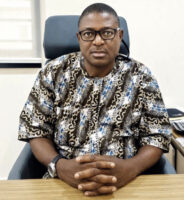
Executive Director of Corporate Accountability and Public Participation Africa (CAPPA), Akinbode Oluwafemi, said growing corporate influence over essential public services threatened the ability of African governments to fulfil their responsibilities to citizens.
“Water is a human right. None of us can live without water, and there is enough evidence to show that privatisation of water is like commodifying and commercialising our rights,” he said.
Oluwafemi urged the African Union and national governments to adopt policies that protect citizens’ rights rather than advance corporate interests.
He argued that governments had a responsibility to provide clean and accessible water for domestic use, warning that restrictions on civic space could weaken communities’ ability to demand accountability.
“We are basically saying that if you don’t have money, you don’t need to live. That is what this means,” he said.
For the coalition, the argument for free access to basic water is rooted in the conviction that poverty should never condemn anyone to going without an essential resource.
The campaigners are particularly concerned about prepaid water meters, which they say could leave households without water once their purchased units are exhausted.
They argue that such systems could place vulnerable families at greater risk, especially in communities where water supply is already unreliable and incomes are insufficient to meet daily expenses.
Although metering technology may be presented as a means of improving water management, the coalition questions whether introducing additional charges and payment requirements can solve the deeper problem of inadequate public infrastructure.
National Coordinator of the Biodiversity and Biosafety Association of Kenya, Anne Maina, said the growing deployment of smart water meters in Kenya had raised concerns about affordability, data privacy and public accountability.
She said prepaid smart meters using mobile payment systems could cost between $75 and $112 to install, while smart meters with remote monitoring could cost between $83 and $150. Utility-grade ultrasonic meters, she added, could cost between $850 and $2,500.
According to Maina, installation and maintenance expenses, as well as possible technical failures, could impose additional financial burdens on water users without necessarily guaranteeing improved services.
“The central concern is whether smart metering improves water management or simply introduces additional costs,” she said.
She also warned that the collection of household water-use data could expose consumption patterns and create privacy and cybersecurity risks.
The campaigners contend that technology should improve the delivery of water, not create another obstacle for households struggling to afford it.
Their concern is particularly acute where consumers could be required to pay in advance for a service that is not consistently available.
In Lagos, where many residents depend on boreholes, wells and privately supplied water to supplement inadequate public provision, the debate over privatisation has become a major concern for campaigners.
Assistant Executive Director of CAPPA, Zikora Ibeh, alleged that expanding private participation in the state’s water infrastructure raised questions about transparency, affordability and accountability.
She said Lagos had selected about 23 bidders for the proposed outsourcing of mini and micro waterworks, arguing that the public deserved access to the details of the proposed arrangements.
Questioning the apparent lack of publicly accessible contractual information, Ibeh said communities whose access to water could be affected by the decisions should not be excluded from the process.
“If the process is legitimate, as we continue to claim, why do they keep doing it in secret? Why is the contract hidden?” she asked.
Ibeh also alleged that prepaid water meters were being tested in some Lagos communities where residents did not enjoy consistent water supply.
She questioned the fairness of charging households through prepaid systems where reliable service had yet to be guaranteed.
According to her, the government should not use the shortcomings of public water infrastructure as justification for transferring control to private operators without first addressing the underlying problems.
She said residents in some communities already spent their own money sinking boreholes and maintaining wells to compensate for inadequate public supply.
“Water is a national security issue. You can’t just hand over water to anybody,” she said.
Ibeh called for increased public investment, improved infrastructure and greater accountability in water management.
She also urged journalists to question political candidates about their water policies and demand transparency in contracts involving public water infrastructure.
For the campaigners, Lagos presents a pressing policy question: should residents continue to bear the financial burden of securing water individually when government has a responsibility to provide essential public services?
They argue that the priority should be to strengthen public infrastructure, extend distribution networks and ensure that water reaches underserved communities without imposing unaffordable costs on poor households.
Labour unions have also opposed the transfer of public water services to commercial operators, warning that profit-driven arrangements could undermine the interests of workers and ordinary consumers.
National President of the Precision, Electrical and Related Equipment Senior Staff Association, Rufus Olusesan, said governments should complete existing water projects and expand distribution networks rather than transfer publicly funded infrastructure to private operators.
He cited communities in Lagos where residents continue to struggle to obtain reliable access to clean water despite living close to water infrastructure.
“What we are calling on government to do is to fix and expand the current system we have. It’s not for selling,” he said.
Olusesan advocated democratic control of water services through arrangements involving government, communities, labour unions and civil society organisations.
The campaigners argued that public water systems require investment, competent management and effective oversight.
Public ownership, they maintain, must be accompanied by accountability and measurable improvements in service delivery.
Their position is that governments should not abandon their responsibility to provide essential services simply because public utilities face funding or operational challenges.
Instead, they want public institutions strengthened, infrastructure rehabilitated and communities given a meaningful role in decisions affecting their access to water.
In Senegal, General Secretary of the Autonomous Union of Water Workers, Oumar Ba, said the privatisation of water management had left communities grappling with high bills, inadequate supply and poor service quality.
Ba explained that before 1996, water management was handled by the state and local communities, but subsequent reforms transferred operational responsibilities to private companies.
Under the arrangement he described, the government remained responsible for financing water infrastructure while private multinational companies managed its operations.
He alleged that the arrangement had enabled private operators to make substantial profits while many residents continued to experience water shortages, particularly during the summer months.
“Hardly a month or two months go by without local communities rising up in protest against the poor quality of public water services and demanding a return to community-based and public water management,” Ba said.
He also disclosed that his employer, a major private water distribution company in Senegal, had dismissed him in December after he stood up for workers’ rights in his capacity as a trade unionist.
He said the matter was being contested through legal proceedings.
Ba further alleged that the company was testing smart water meters ahead of a possible prepaid system under which consumers would pay in advance and lose access when their purchased allocation was exhausted.
“We see the clear example of an inhuman form of capitalism taken to the extreme. One that treats water as a commodity rather than as a common good that is essential to life,” he said.
He called for stronger cooperation among African water justice movements and urged governments to place communities and workers at the centre of water governance.
From Ghana, Geoffrey Occansey of the Water Citizens Network and Revenue Mobilisation Africa said public protests had helped force a review of earlier water management arrangements in his country.
He warned that privatisation proposals could re-emerge if citizens failed to maintain pressure on governments.
Occansey urged Nigerians to make access to water, education and healthcare central issues during political campaigns, insisting that elected officials must be held accountable for delivering essential services.
“Water is life. Let’s take it back now or never,” he said.
Executive Director of Green Scenery, Sierra Leone, Joseph Rahall, also called for publicly funded and democratically controlled water systems that prioritise human needs over corporate profits.
Rahall said communities across Africa continued to face difficulties accessing safe and reliable water despite the continent’s water resources, leaving poor households particularly vulnerable to shortcomings in public services.
He urged governments to strengthen public institutions, support water-sector workers and ensure communities had a voice in decisions affecting their access to water.
Research and Water Campaign Director at Corporate Accountability, Neil Gupta, said multinational water corporations, including Veolia and Suez, continued to pursue greater control over water systems across Africa, with support from international institutions.
Gupta called for sustained solidarity among community leaders, workers and civil society groups to protect water as a human right.
While the campaigners insisted that water must be accessible to everyone, their demand also raises an important question: how can governments guarantee free access to basic water for the poor while meeting the substantial costs of treatment, distribution, maintenance and infrastructure expansion?
The coalition’s answer centres on public financing, stronger institutions and transparent management of water resources.
At the event, CAPPA Programme Officer for Water Campaign, Segun Olufemi, unveiled OWRAC’s position paper on implementing the African Water Vision 2063.
The document welcomes the African Union’s water vision but argued that its success will depend on adequate public investment, stronger public institutions and measures to guarantee universal access.
Olufemi said the coalition was proposing a continental water and sanitation financing benchmark to encourage governments to commit sufficient resources to water infrastructure and services.
The campaigners want governments to establish clear financing commitments, publish water-related contracts and expenditure, strengthen public utilities and ensure meaningful participation by communities, workers, women and other affected groups.
They are also calling on governments to reject arrangements that transfer control or delivery of public water services to commercial interests, including concessions, management contracts and prepaid water systems.
For the coalition, the goal is a water system in which public investment guarantees access to essential supplies, particularly for people unable to pay, without sacrificing the long-term sustainability of the infrastructure.
Such a system would require governments to prioritise underserved communities, address persistent service failures and develop transparent funding mechanisms to protect low-income households.
It would also demand accountability from public utilities to ensure that increased spending translates into reliable supply, improved water quality and wider coverage.
The campaigners maintained that governments must measure success by the number of people who can obtain safe water when they need it, not simply by revenue collected or the number of meters installed.
The Africa Week of Action Against Water Privatisation is expected to feature community engagements, advocacy activities and public discussions across participating countries, with the aim of strengthening resistance to privatisation and advancing equitable access to safe and affordable water.
But beyond the campaign, the central issue confronting African governments remains the daily struggle of households forced to spend scarce resources securing an essential commodity.
For a poor family, water is not a luxury to be purchased only when money is available. It is necessary for drinking, cooking, personal hygiene, sanitation and survival.
The campaigners argue that no government can credibly claim to protect its citizens while allowing poverty to become a barrier to meeting such a basic need.
They are therefore demanding a new approach that guarantees free access to a basic quantity of safe water for those who cannot afford it, backed by adequate public financing, accountable institutions and reliable infrastructure.
Their message to African leaders is clear: public water systems must be fixed, expanded and properly funded, while communities must be protected from arrangements that make essential supplies unaffordable.
Ultimately, the test of Africa’s water policies will not be how much money governments or operators collect, but how effectively they serve the people.
No child should go thirsty because a family is poor. No household should have to choose between food and water. And no community should be denied access to life’s most essential resource because it cannot pay.