Follow Us on Google

• Says subsidy removal was necessary in Nigeria’s overall interest
From Juliana Taiwo-Obalonye, Abuja
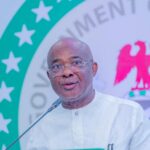
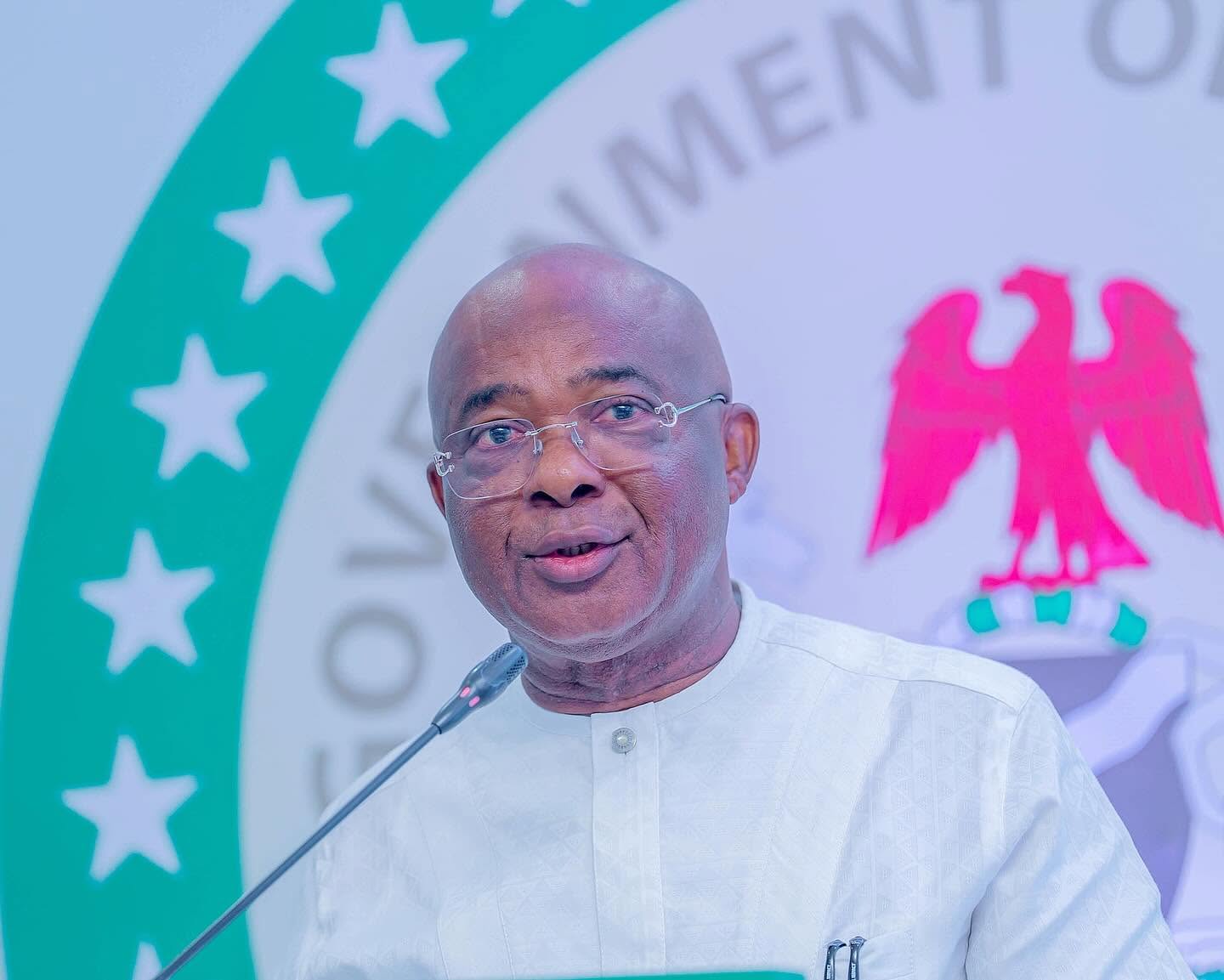
Imo State Governor Hope Uzodimma has identified winning and sustaining public trust as the biggest challenge of leadership, particularly when governments introduce difficult policies that initially impose hardship on citizens.
He said governments must go beyond announcing policies to consistently explaining their decisions, engaging affected stakeholders and demonstrating tangible results to secure public understanding and cooperation.
Uzodimma cited President Bola Tinubu’s removal of the petrol subsidy as an example of a difficult but necessary decision taken in the overall interest of Nigeria, despite the economic difficulties it initially imposed on households.
The governor spoke at the 2026 World Public Relations Forum (WPRF) in Abuja during a high-level dialogue on responsible governance, community engagement, stakeholder relations and inclusive impact.
He said although subsidy removal had increased the resources available to the 36 states and the Federal Capital Territory for infrastructure and socioeconomic development, many families were still grappling with the effects of rising prices.
“The toughest thing on leadership is winning the trust of the people and keeping the trust, especially when you want to accept a decision that will hurt people first,” he said.
According to him, difficult reforms can only deliver their expected benefits when citizens understand why they became necessary and are carried along in the process.
Illustrating the importance of balancing competing interests, Uzodimma said the introduction of affordable government buses could benefit workers, traders and students through reduced transportation costs, but could initially affect commercial drivers.
He said responsible governance required governments to recognise the concerns of those adversely affected and communicate alternative opportunities available to them.
The governor said his administration had institutionalised citizens’ engagement through quarterly stakeholders’ meetings introduced in June 2020, less than six months after he assumed office.
He said the meetings provided opportunities for citizens to question government officials, criticise policies and demand explanations on issues affecting their communities.
Uzodimma added that his government had introduced a radio town hall programme involving more than 20 stations across the South-East, enabling citizens, including those in the diaspora, to interact directly with the government and receive immediate responses.
He also disclosed that an elders’ council had been established to advise the government and provide insights into the feelings and expectations of communities.
The governor said the platforms had helped his administration identify problems early, address grievances and strengthen public confidence.
He listed some of his administration’s development initiatives to include digital skills training for more than 75,000 young people, programmes that had created over 85,000 jobs and learning opportunities, and the One Kindred One Business initiative.
He said more than 600 businesses had been registered under the latter programme by the end of 2025, adding that the Federal Government was adopting the model for national application.
Uzodimma urged public relations practitioners to practise the principles they preach by encouraging both governments and citizens to listen to one another.
“If you tell a government to listen to its people, help make sure that the people also listen to government,” he said.
He added: “For us in Imo, the voice that matters most is the voice of our people. We engage with them, we communicate, we listen to the feedback they share with us. We work with that feedback and they see through our delivery that we have been listening.”