Follow Us on Google

• Danger stalking Abuja roads
From Adanna Nnamani, Abuja
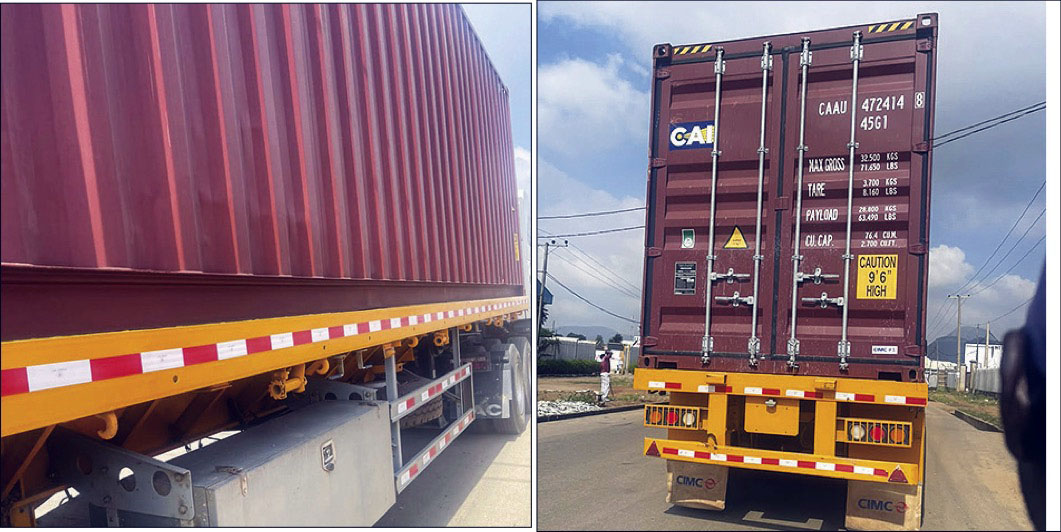
Heavy-duty trucks carrying shipping containers are a familiar sight on Abuja roads, sharing space with private cars, commercial buses and motorcycles as they move goods across the city.
For many motorists, however, driving alongside these massive vehicles can sometimes be uncomfortable, particularly when they cannot easily tell how securely the containers are fastened to the trailers.
The concern is understandable as a container that shifts or falls while a truck is in motion could cause serious damage to nearby vehicles, disrupt traffic and put lives at risk.
Similar concerns arise around trucks conveying stones, gravel, sand and other construction materials, especially when the loads are not properly secured or covered. Materials spilling onto the road can damage vehicles and force motorists to make sudden manoeuvres to avoid them.
Moses Dele, a commercial driver operating along the Kubwa Expressway said the sight of heavily loaded container trucks often made him uncomfortable, particularly when traffic became congested.
The driver, who transports passengers between Kubwa and the city centre, said he sometimes had to slow down or change lanes when approaching trucks carrying containers, especially when he could not clearly establish how firmly the loads were secured.
“Sometimes, when you are driving behind these trucks, you just have to be very careful. You do not know what can happen if the container shifts or the driver suddenly applies the brakes. As a commercial driver, I have passengers in my vehicle, so I cannot afford to take chances,” he said.
Nasiru Dogo operates around the Nyanya-Karu axis. He expressed concern about trucks conveying sand, gravel and stones without adequate coverings: “Loose materials dropping from moving trucks can create dangerous situations for motorists, particularly those following closely behind.
“You can be driving normally and suddenly see stones on the road. If you try to avoid them, you may enter another lane and cause an accident. Sometimes, you do not even have enough time to react. The drivers carrying these materials should make sure their loads are properly covered before leaving their loading points.”
Private motorists also share similar concerns. A civil servant, Patrick Godwin, lives in Dei-Dei and drives daily to the Central Business District. He said he tries to avoid staying directly behind container trucks because of the potential consequences if their loads become unstable:
“The growing number of heavy-duty vehicles on major Abuja roads makes it important for traffic authorities to pay closer attention to how their cargo was secured. Whenever I see a container truck ahead of me, I try to keep some distance.
“It is not that I am saying all of them are unsafe, but you cannot be too careful. If anything happens and that container falls, the smaller vehicles around it are the ones that will suffer most.”
Edith Uzor, a businesswoman, regularly drives along the Airport Road axis. She also expressed concern about trucks carrying construction materials without adequate coverings.
She said motorists could be exposed to considerable danger when stones and other materials fall from moving vehicles, adding that even a small object could cause damage at high speed:
“Your windscreen can be damaged in seconds, and if the stone hits the driver or causes you to lose control, it can become much worse. I think truck owners should take responsibility for ensuring that their vehicles are properly loaded and covered before they come onto the roads.”
For drivers whose vehicles are struck by falling stones, the consequences may range from damaged windscreens and bodywork to sudden loss of control while trying to avoid the debris.
The growing presence of such trucks on Abuja roads raises questions about the enforcement of safety regulations, the responsibilities of haulage operators and the effectiveness of routine checks by traffic and road-safety authorities.
Other News
While the absence of visible chains does not automatically mean that a container is unsecured, as some trailers use twist-lock mechanisms to hold containers in place, the concern is whether the required safety devices are properly engaged before the trucks are allowed to ply public roads.
Under the National Road Traffic Regulations 2012, particularly Regulation 151, containers transported on trailers are required to be properly latched. The provision is intended to prevent containers from slipping or falling off while vehicles are in motion.
The Federal Road Safety Corps (FRSC) has previously warned against the movement of containers without proper latching, directing its patrol teams to impound offending vehicles.
In January 2020, the Corps said it had partnered with the Nigerian Ports Authority to ensure that containers were properly secured before trucks left the ports. It also warned that falling containers could cause fatalities, damage property and obstruct highways. The danger remains a concern years after that directive.
In May 2026, the FRSC again warned transporters against conveying unlatched containers, saying the practice could cause crashes and block major highways if the loads fell while the vehicles were in motion. Similarly, trucks carrying loose materials such as stones and gravel are expected to ensure that their loads are properly distributed and secured to prevent them from spilling onto the road.
The FRSC has repeatedly identified overloading and improper loading as major road-safety concerns. In September 2026, Corps Marshal, Shehu Mohammed, warned that excessive loads could affect braking, steering and vehicle stability, increasing the risk of crashes.
He also stressed that the danger was not determined by weight alone, but by the nature of the cargo, how it was positioned and how securely it was fastened.
For Abuja motorists, however, the immediate concern is the risk they face when sharing roads with vehicles carrying heavy or loose materials without adequate visible protection.
A stone falling from a moving truck may appear insignificant compared with a container coming off a trailer, but at high speed, even a relatively small object can shatter a windscreen, injure a driver or cause a vehicle to swerve into another lane.
The danger is particularly serious on busy roads where motorists have little room to manoeuvre or maintain a safe distance from heavy-duty vehicles.
It also raises questions about the responsibility of truck owners, drivers, construction companies and businesses that engage haulage operators. Ensuring that cargo is safely loaded and secured should not be left to the driver alone. Those responsible for loading and dispatching the vehicles also have a duty to ensure that they are roadworthy and safe for public use.
The Nigerian Shippers’ Council’s 2024 annual report indicated that the council had continued engaging haulage associations on the need to latch containers properly to prevent them from falling and causing accidents. It also reported a joint sensitisation exercise with the FRSC on minimum safety standards for fleet operators.These engagements point to an existing recognition of the problem, but the question is whether enforcement is keeping pace with the risks on the roads.
Jude Emmanuel, a volunteer with the Nigerian Red Cross Society, said accidents involving improperly secured containers and uncovered trucks carrying construction materials could have serious consequences for motorists and other road users.
He said such incidents could result in severe injuries, loss of lives and damage to property, stressing the need for truck operators to ensure that their cargo was properly secured before embarking on journeys.
Emmanuel also called for stricter monitoring of heavy-duty vehicles by relevant authorities, noting that preventive measures were necessary to reduce avoidable road crashes:
“The FRSC, Federal Capital Territory Administration, Vehicle Inspection Officers and other relevant agencies have a role to play in ensuring that trucks operating within the territory comply with safety requirements.
“Regular patrols, inspections and sanctions against operators who violate loading and securing rules could help prevent avoidable incidents. Authorities also need to ensure that trucks carrying stones, sand and other loose materials are properly covered and that no part of their loads is allowed to spill onto the road.
“Truck operators, on their part, must understand that saving time or reducing operating costs cannot take priority over public safety. For motorists, the advice is to avoid driving too close to heavy-duty vehicles, particularly when carrying containers or loose construction materials.
“However, road users should not have to depend solely on defensive driving to protect themselves from preventable dangers created by unsafe loading. The bigger responsibility rests with those who operate, regulate and monitor the movement of these vehicles.”