Follow Us on Google

By Gabriel dike
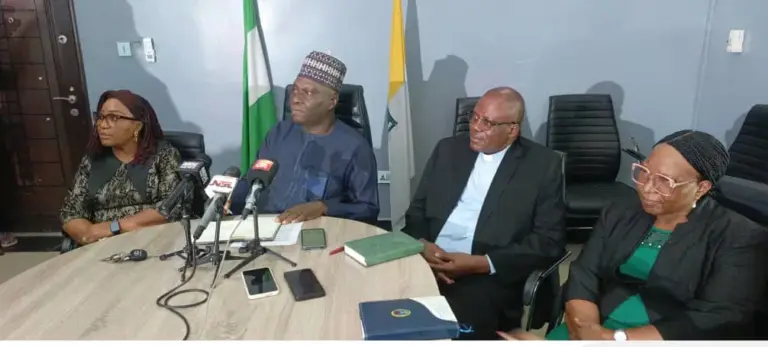
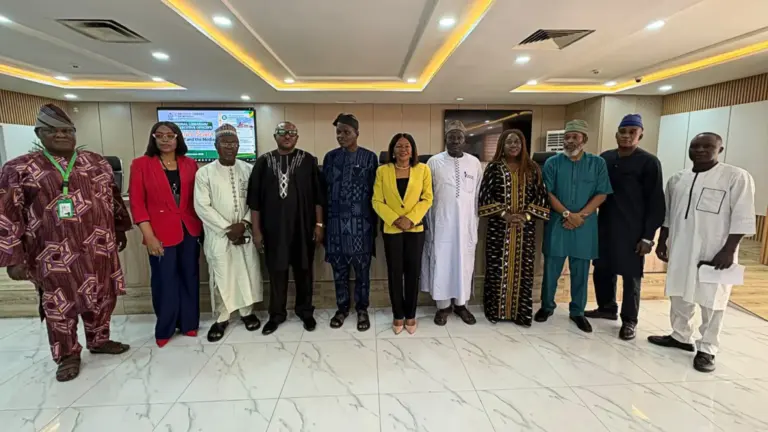
The University of Lagos (UNILAG), Akoka, Lagos, recently engaged the media on how staff research findings could be brought to the attention of industries and government agencies in the country for use to impact on society.
The one-day programme, titled “Co-creating Research Communication Strategy for Greater Impact (Engagement with Media),” was packaged by Dr. Basirat Oyalowo of the Centre of Excellence in Urbanization and Habitable Cities and Mr. Bolarinwa Ajigboye of the Office of the Vice-Chancellor.
Aside from the deputy vice-chancellor (academic and research), Prof. Bola Oboh, director of research management office, Prof. Timothy Nubi, and the moderator, Prof. Ismail Ibraheem of Mass Communication Department, the panelists included the deputy editor-in-chief of the News Agency of Nigeria, Mrs. Ijeoma Popoola, regional editor, The Conversation Africa, Mr. Adejuwon Soyinka, editor, Guardian on Sunday, Mr. Kabir Alabi, Prof. Abigail Ogwezzy-Ndisika of Department of Mass Communication, and the chairman, Education Writers Association of Nigeria (EWAN), Mr. Mojeed Alabi.
In his address, the acting VC of UNILAG, Prof. Lucian Chukwu, described the event as vital and through the media, industries and other end users would know about the university’s research findings that would impact the society.
Prof. Chukwu said the university wants to stop the assertion that the numerous research findings of academics gather dust in the libraries or their offices and, with the engagement of the media to publicize the many research findings, the narrative would change.
He said: “We are transiting from being a university of academic (work) to research-driven. UNILAG is focused on driving research. We have been leading in research and working to be the best.”
Chukwu stated that, under the current administration, the university attracted research grants of over N18 billion, noting, “In the last one year, we received over N1 billion research grants.”
The deputy VC in charge of academics/research, Prof. Oboh, said the university decided to engage the media on how several research outcomes would be made known to end users and government agencies.
She said: “We want to collaborate with the media to help us publicize our research findings, so that the industries and the society will know.”
Both Prof. Nubi and Prof. Ibraheem, acknowledged the important roles the media can play in publicizing research findings of the university to attract the attention of the industries.
According to the two dons, useful research outcomes that would help impact the society do not attract the attention of the media for several reasons, and hoped the engagement would reverse the trend.
Chairman of EWAN, Mr. Alabi told the gathering that Nigeria universities are far from the media and when they are in the media, the content is about sex harassment, strikes, students’ unrest and handouts.
Alabi appreciated the university for engaging the media in this area but advised staff and the management to open up when they have research that can impact the society rather than keep them in the shelf to gather dust.
Regional Editor, The Conversation Africa, Mr. Soyinka, said universities don’t benefit from research findings because the researchers don’t speak to the people and that they also use languages, which the media and ordinary people don’t understand.
In her contribution, Prof. Ogwezzy-Ndisika of UNILAG mass communication department said there is no blueprint on research communication and that individual researchers have their own system of communicating their findings.
She disclosed that the university is using the old model of communication via the department and faculty conferences to communicate research findings, adding, “research outcomes not link to the end-users is not researcher.”
Prof. Ogwezzy-Ndisika recommended the university to create communication team, provide budget and other communication component to achieve result. She also suggested reward for those who assisted in getting the grant.
The Deputy Editor-in-Chief, Mrs. Popoola, advised the university to engage the media from the onset of the research and stressed that researchers are invisible to journalists.
Popoola said one of the main reasons research findings don’t get publish in the media is the language used by the researchers, which are technical and needs to be broke down for the understanding of the public. She recommended the university to sponsor training for capacity building for journalist on how to interpret research outcomes.
The Editor, Guardian on Sunday, Mr. Alabi, told the gathering that the newsroom is far from the university, noting, “ the media need the skills to interpreter research outcomes. This is the responsibility of the university.”
He further explained that the media is the vital missing link to project the findings of researcher in UNILAG and other institutions.
One of the brains behind the programme, Mr. Ajigboye, said UNILAG is doing a lot in the area of research and that for the impact to be felt, the media should be engaged to publicize the findings to attract the end-users.