Follow Us on Google

By John Ogunsemore
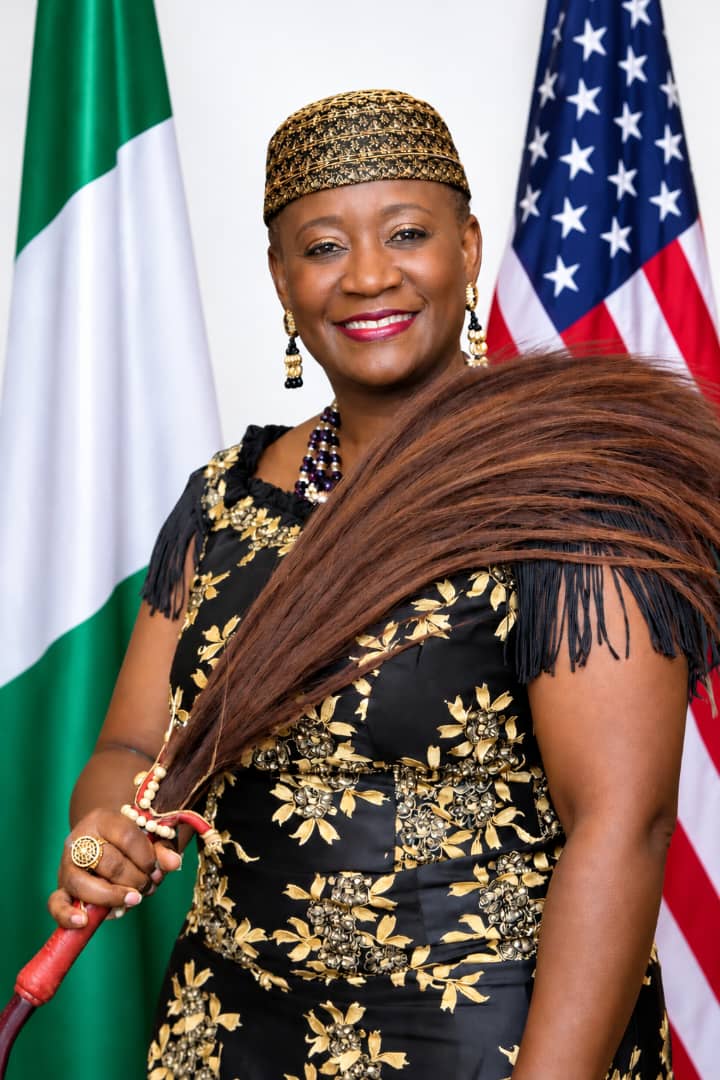
Prominent men’s mental health advocate, Halima Layeni has called on world leaders to demonstrate their avowed dedication to building a fairer and more inclusive world by ending the exclusion of men and boys from the gender equality agenda.
Layeni made the call as world leaders prepare to converge on New York, United States for the 80th United Nations General Assembly, September 8 – 29.
The Executive Director of Life After Abuse Foundation (LAAF) specifically advocated the creation of UN Men, the male counterpart of UN Women, which delivers programmes, policies and standards that uphold women’s human rights.
She said, “Each year, billions of dollars are directed toward programmes for women and girls. Entire agencies exist to advance their progress.
“Yet there is no UN Men. No dedicated institution, no agency, and no systematic recognition of the unique challenges faced by men and boys.
“At the United Nations, gender equality remains, at best, an unfinished project.”
Layeni explained that while the creation of UN Women was a historic milestone whose work has been transformative, an equality framework that consistently overlooks half of humanity could not truly be called equality.
“It is omission, and that omission carries devastating consequences not only for men, but also for women, families, communities, and economies,” she observed.
She added, “Billions of dollars are invested in women’s health, maternal health, reproductive rights, and women’s empowerment in education and business. These investments are vital. But there is no equivalent investment for men.”
Other News
Layeni emphasised that men have become the financial backbone of global development, and so their mental health crises, workplace risks, and social challenges should not remain invisible.
“Men are four times more likely than women to die by suicide. In many countries, suicide is the leading cause of death for men under 50. September is Suicide Prevention Month, yet there is no UN resolution, no global campaign, no flagship effort that addresses men’s crisis with the urgency it demands.
“Movements like Movember have done more to spotlight men’s health than the United Nations itself. That fact alone should compel world leaders to act,” she stressed.
Layeni asserted that the UN has institutionalised the belief that men’s issues are not worthy of recognition.
She highlighted that the “leave no one behind” mantra of the global body’s 2030 Agenda Sustainable Development and its Sustainable Development Goals (SDGs) could not hold true if men and boys are being left behind at the highest levels of global governance.
“If men dominate the seats of power, why is there such reluctance to address men’s challenges?
“Why is it that leaders who themselves are fathers, brothers, and sons do not raise the issues that directly affect their own gender on the global stage?” she queried.
Layeni maintained that this silence is not accidental.
“It is cultural. It is rooted in the entrenched belief that men must always be strong, stoic, and self sufficient, even when the evidence says otherwise.
“The silence of world leaders mirrors the silence many men endure in their personal lives,” she quipped.