Follow Us on Google
Your vehicle is perfectly happy to tell you when something is wrong. But you have to listen. Understanding what warning lights do and don’t mean will help you help your vehicle.
Whether it is an improperly closed door, or the dreaded check-engine alert, dashboard warning lights are how your car communicates with you when something goes wrong.
They light every time you start your vehicle, illuminated briefly as your car or truck warms up and make sure all systems are safe and ready to go.
Occasionally, one light might stay on, indicating there is a problem. Be equally alert if one or more warning lights don’t briefly illuminate. If they are not functioning, you might not be able to detect a problem they would warn you about.
But if you don’t understand what a warning light means — or choose to ignore it — a small problem could turn into a bigger, more expensive and potentially dangerous issue. And even the savviest car owner can have trouble deciphering the message a warning light is trying to convey.
Checking engine
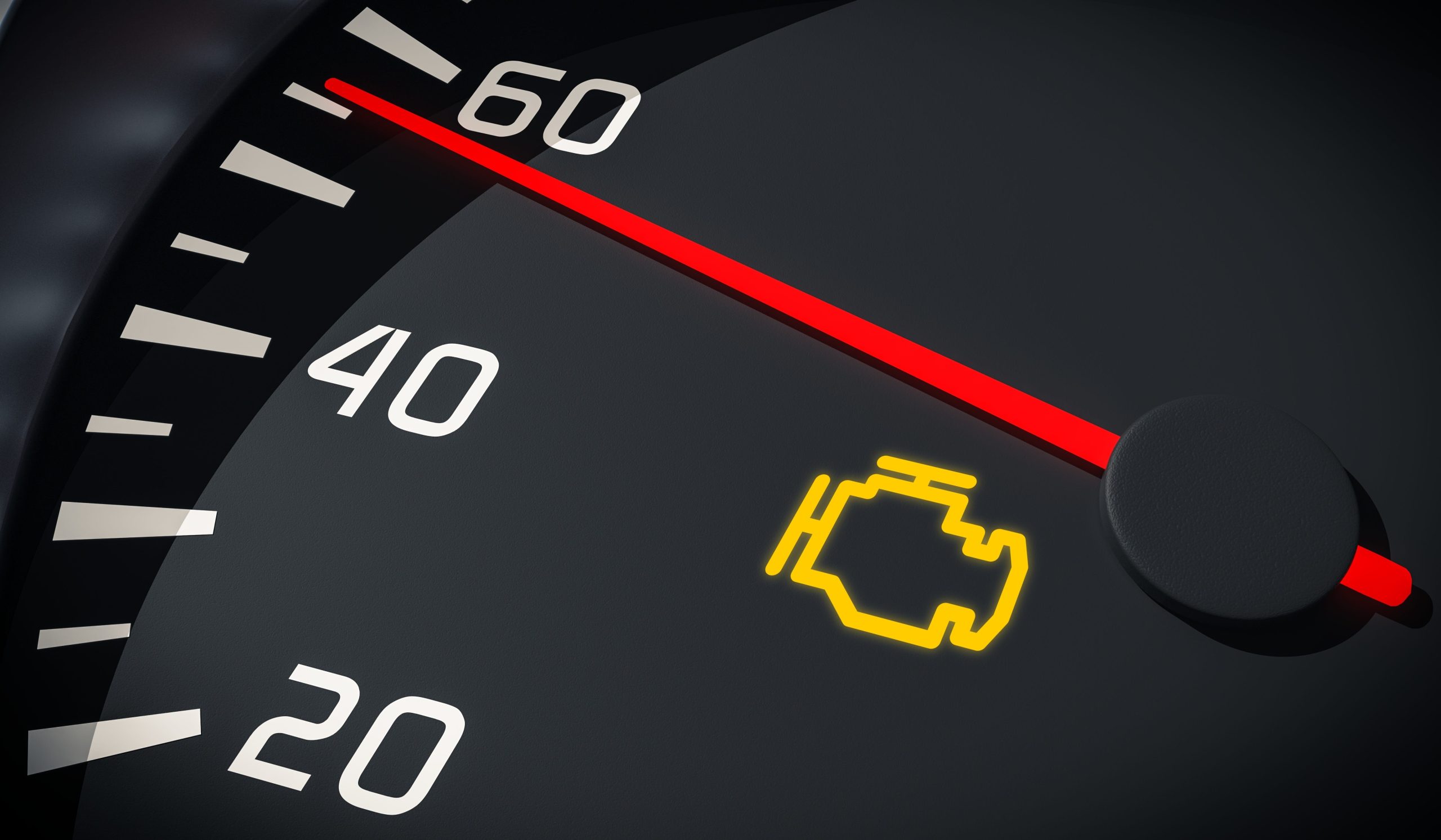
We will start with the worst. The ‘check-engine’ light is the one car owners hate most. Usually, this warning is in the shape of a silhouette engine, though sometimes it is an even harder to miss all-caps “CHECK ENGINE” message.
While it seems like the scariest, this light is one the most ambiguous because it relates to anything having to do with the car’s motor and emissions system. The potential issue could be as minor as a loose wire, an ill-fitting fuel cap, or a worn solenoid. Or it could mean something far more serious is wrong in the heart of the engine itself.
If the check-engine light illuminates while you are driving and everything seems fine with the car, don’t panic, but don’t ignore it, either. Get the vehicle to a mechanic to run a diagnostic test and source the problem.
Since 1996, every new car and light-duty truck sold in the U.S. has been legally required to have an On Board Diagnostic system (OBD). This is a computer that monitors emission levels and other vital engine components.
With an OBD scan, sourcing a problem is easier—something as simple as tightening the fuel cap might solve the issue. This also prevents an emissions-spewing vehicle from operating without the driver knowing there is a problem lurking under the hood.
Should the light turn on and the vehicle suddenly begins to operate erratically or making strange noises, pull over immediately and call for a tow. This means there is a far more serious problem, such as a misfire that could permanently damage the car’s engine.
Ignoring a blinking check-engine light could mean putting yourself at risk, and ruining your car’s powertrain.
Battery
A battery symbol with plus (+) and minus (-) signs inside it,
The battery warning is easy to decipher because it looks exactly like the thing that needs attention. For many car owners, this light conjures up the heart-sinking “whir whir whir” sound of a vehicle trying to start with a flat battery. Don’t be fooled if the battery light illuminates but the car starts up and drives normally. There could be a long-term issue with the battery itself, or potential problems with the vehicle’s wiring, alternator, or other electrical components.
Coolant temperature
Looking like a thermometer taking a dip in the ocean (thermometer with ripples underneath), the coolant temperature warning lets you know your car is running too hot. This could be caused by a broken water pump, low coolant levels in the radiator, a leaking or burst coolant hose, or even damage to the radiator itself.
These are serious issues and could lead to much bigger engine problems if ignored. Like a blinking check engine light, driving an overheated car is not only unsafe, it also risks permanently ruining your four-wheeled mode of transportation.
Transmission temperature
A red or yellow thermometer symbol placed inside a gear shape
This indicates the internal pieces of the gearbox are reaching a critical point. This might be caused by excessively heavy towing, low transmission fluid levels, or, more seriously, excessive wear on the inner workings of the transmission.
Oil pressure warning
Winning the award for best throwback dashboard warning light, an oil can (complete with a drop of oil coming from it). An illuminated oil pressure light could indicate something as simple as your car telling you it needs its oil topped off.
More seriously, it could mean a leak in the engine, or worn parts like a blown piston ring or broken oil pump. If the engine’s dipstick shows oil levels are low and adding oil turns the light off, then you are in luck. If that doesn’t do the trick, or the light comes on shortly after you have added oil, it’s smart to get the issue checked as soon as possible.
Driving for extended periods with an oil pressure warning light illuminated is another sure-fire way of causing big repair bills down the road. Like the petrol sloshing around in the fuel tank, your car’s oil level is equally essential to keeping your vehicle running.
Tyre pressure monitoring system
This light looks like two-thirds of a circle with an exclamation point in the middle. Those little lines across the bottom are meant to symbolise the tread of a car tyre. Cute, right? Unfortunately, things can get ugly if you’re driving on severely under- or overinflated tyres.
In many modern cars, the tyre pressure monitors include a display in the driver’s gauges, or in a menu located within the infotainment system, to tell the driver the exact tyre pressure at each wheel. As an example, if one tyre shows significantly less air pressure than the others, stop the car and refill the tyre to the correct pressure rating.
Start the car and see if the warning light goes off after a few minutes. If it doesn’t, there could be damage to the tire that’s causing a rapid leak.
Brake system
A circle with an exclamation mark inside,
We all love to talk about how quickly a car accelerates from zero to 60 mph. But things can get dicey if a vehicle doesn’t come to a quick and controlled stop when the brakes are engaged. A common mistake occurs when the driver pulls away with the parking brake engaged, causing this warning light (or one saying “Parking Brake”) to glow. A more troubling culprit could be worn brake pads, low brake fluid levels, or a problem with the anti-lock braking system (ABS).
On a similar theme when it comes a car’s stopping power, an illuminated ABS light often means there’s an issue with a wheel speed sensor, or problem with connections and wiring that could prevent the anti-lock braking system from activating. It’s still safe to drive your car without ABS, just understand a repair is warranted to restore full braking effectiveness, especially during a panic stop scenario.
Traction control, Stability control
It is not meant to look like a car driving down a wild and curvy road, but it kind of does. This warning is often represented as the front view of a car, with two squiggly lines underneath, illustrating what these systems are trying to avoid, which is your vehicle slipping and sliding all over the road.
Keep in mind, the traction control and stability control light will turn on when the system is activated. Punch the gas pedal when it’s excessively rainy or snowy, and chances are good you will see this dashboard light illuminate. That only means these systems are doing their job.
If they turn on when your car is running at moderate speed on dry surfaces, however, there might be a flaw in the system. A common culprit would be a wheel speed sensor. Many vehicles allow the driver to adjust these systems using some form of driving mode selector. The highest performance settings in many sports cars will greatly minimise or completely deactivate traction control and stability systems.
Airbag warning
A symbol of a person-like figure with a circle in front of them,
It is perfectly normal for this light to turn on when your vehicle is first started. Should it stay illuminated while driving, there could be a problem with one of the vehicle’s airbags. This won’t cause you to get stuck on the side of the road, but it could be dangerous in the event of an accident.
Lamp out
Typically a lightbulb symbol, sometimes accompanied by an exclamation point or rays emanating from it.
This is one of the less serious dash lights on this list. Then again, if the lamp or bulb in question is a headlamp or taillight, you could be risking an accident or pricey ticket. Ironically, the lamp-out indicator is usually depicted by what looks like a sun with rays around it. A burnt-out lamp or busted bulb wouldn’t be as illuminating.
Washer fluid, door open, low fuel
The washer fluid icon is a windshield with a wave, the door open icon is a car with an open door, and the low fuel icon is a gas pump
There are three very basic ones every single person should know and understand. The washer-fluid icon is depicted as a windshield with a jet of water. When this appears, it alerts the driver the car is low on washer fluid. Not a major problem, unless your windscreen is filled with gooey bugs and you don’t have the means to whisk them away.
The door-open icon is usually an overhead depiction of a vehicle with one or two doors open. This can be rectified in seconds; close the door or trunk and you are on your way.
Last but not least, the low-fuel indicator features the icon of a fuel pump. This means you’re running low on fuel and it is time for a pit stop. A final helpful hint: The arrow alongside this icon tells you which side of the car the vehicle’s gas flap is located.
Headlights
A stylised headlight symbol
It used to be that a vehicle’s gauge cluster lit up only when the driving lights themselves were on. Today, most clusters look the same whether the exterior lights are on or off. To know if your headlights and taillights are on or off, you now have to look for the above symbol. If it’s glowing on your dashboard, then your driving lights are on. If it’s not lit up, and it’s dark out, then you better figure out how to turn those lights on ASAP.
Seatbelt indicator
A person sitting with a seatbelt across their lap.
If you see this light on in your cluster, then it means your seatbelt is unbuckled. OK, you probably didn’t need us to tell you this one, but if this symbol remains illuminated long after you have buckled your seatbelt, then you will want to get your belt buckle looked at to make sure everything’s still operating as intended.
Front fog lights
A green icon that looks like a headlamp with diagonal lines pointing to the left and crossed by a wavy vertical line.
Not all vehicles have front fog lights. Those that come with this feature from the factory, though, usually display the above icon somewhere in the gauge cluster when these auxiliary lamps are in use.
High-beam indicator
A blue line symbol that looks like a headlight with horizontal lines pointing straight forward.
If you want to blind oncoming traffic, then leaving your high-beam headlights on is one way to do just that. But unless you are a sociopath, odds are you are not trying to blind other drivers, which is why it is important to make sure the above indicator is only illuminated on your dashboard when you are driving through very dark areas devoid of other drivers.
Automatic high-beam indicator
A headlight icon with rays pointing forward with the addition of the letter “A” or “AUTO.”
It is easy to forget to turn off those high-beam headlights, though. Fortunately, many newer vehicles come with automatic high-beam headlights, which are capable of automatically turning on these bright lamps in dark areas and turning them off when there’s additional light, be it the light of an oncoming vehicle or a street light. If you see the typical high-beam headlight indicator accompanied by AUTO, then that means your vehicle’s automatic high-beam headlights are activated and ready for duty.
Automatic emergency breaking disabled
A yellow (or amber/orange) icon resembling a car with lines behind it.
This lamp indicates an issue with the automatic emergency braking (AEB) system of a so-equipped vehicle. It may show up briefly due to debris or road conditions that limit the system’s ability to function properly. If this lamp sticks around in good weather (and after a good wash), then it’s likely your AEB system has an issue and needs checking out.
Automatic emergency steering disabled
A steering wheel and exclamation point.
Many modern cars will not just brake automatically in the event of an emergency; they will also steer themselves away from one. The hope is that the car avoids the accident entirely or if that’s not possible, then that a smaller portion of the vehicle takes an impact. Like AEB, automatic emergency steering (AES) is often temporarily disabled due to debris or road conditions that limit its ability to function properly.
Automatic stop-start active
Did your car’s engine shut down when you came to a stop? If you spot this indicator, then you can rest easy knowing your car’s killing the engine intentionally as a way to save fuel. Don’t see this symbol? Then you may want to call for roadside assistance.
Lane-keep assist off
Lane-keep assist is all but de rigueur on today’s cars and trucks. In a nutshell, the system works by following the lines in the road. Start to cut too close to—or go over—these lines and the system will typically sound an audible warning or temporarily take over steering to nudge the vehicle back toward the center of the lane.
Immobiliser warning
Most modern cars have some electronic connection to the key or fob. This warning tells you that the immobiliser is on. Without the correct key or fob, the vehicle will not start. Have the correct key or fob in the vehicle? Then open up the owner’s manual. There is typically a specific spot you can place the fob to get the immobiliser to recognise it.
Vehicle connected to charger
Vehicle connected to charger This light is exclusive to battery-electric and plug-in hybrid vehicles. If you see it, then that means your vehicle currently has a charging cable connected to its charge.
*Courtesy: Car and Driver