Follow Us on Google
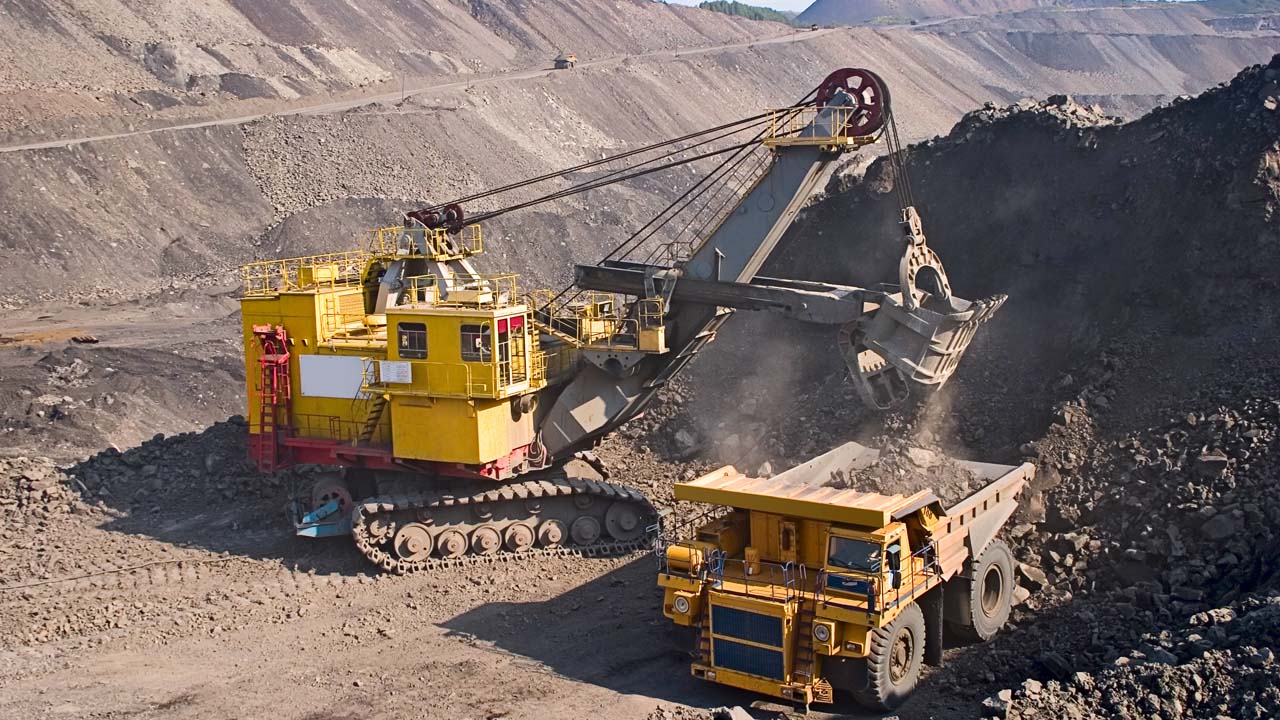
Former Minister of State for Environment Ibrahim Usman Jibril has raised concerns over unchecked exploitation and mining, warning that the trend could affect the country’s economy.
He called for urgent action to address environmental degradation and insecurity in the country.
Jibril, who is now the Emir of Nasarawa, spoke yesterday at the 3rd Nigeria Socio-Ecological Alternatives Convergence (NSAC) in Abuja, organised by the Health of Mother Earth Foundation (HOMEF).
According to him, communities across the country are grappling with the devastating effects of unsustainable mining, rampant deforestation, land degradation, pollution, biodiversity loss, and the indiscriminate exploitation of natural resources.
He maintained that the consequences of these activities extend beyond environmental damage, undermining livelihoods, threatening food security and public health, fuelling social tensions and insecurity, and jeopardising the wellbeing of future generations.
He said: “Our focus extends beyond the environment to the very survival, dignity and future of our people. Forests that have sustained livelihoods and biodiversity for generations are disappearing at an alarming rate, while poorly regulated and illegal mining activities continue to displace communities and destroy farmlands and water sources.”
He acknowledged the economic potential of the state’s abundant mineral deposits, including lithium, tantalite and rare earth minerals, but insisted that such resources must be managed responsibly, transparently and in ways that protect host communities and the environment.
“Development should never come at the cost of human lives, environmental integrity, or the future of generations yet unborn,” he declared.
Also, HOMEF Executive Director, Nnimmo Bassey, warned that Nigeria’s escalating deforestation, destructive mining activities and weak environmental governance were creating criminal fiefdoms and deepening human insecurity across the country.
Bassey cautioned against the growing excitement surrounding recent discoveries of critical minerals in Kaduna State and increasing investments in lithium exploration and processing, warning that Nigeria risks repeating the mistakes of decades of oil extraction in the Niger Delta.
Other News
He said: “We are yet to have serious conversations on what sort of development we desire.”
Bassey also raised the alarm over Nigeria’s declining forest cover, noting that the country loses between 250,000 and 300,000 hectares of forest annually, equivalent to 350,000 to 420,000 football fields every year.
He said primary forests now account for only 1.3 per cent of Nigeria’s landmass, warning that, at the current rate of depletion, the country could lose its forests entirely by 2052.
He tackled carbon credit initiatives that amount to carbon colonialism, citing plans by Delta State to set aside 250,000 hectares of mangrove forests for carbon credit projects and Niger State’s allocation of more than 760,000 hectares of land to a UAE-based company, Blue Carbon, for tree-planting.
“The enclosure of the commons always means the displacement of the poor,” he said.
He further observed that mining activities across Nigeria have frequently resulted in polluted waterways, degraded farmlands, abandoned mine sites and displaced communities, with the economic benefits rarely reaching affected populations.
The environmental activist insisted that the transition should not become another avenue for exploitative extractivism, saying, “there is no justice in replacing fossil fuel sacrifice zones with so-called green mineral zones extracted in the same destructive manner.”
He added: “A nation cannot claim to be secure when its people lack clean water, fertile soils, healthy forests, safe food and safe air.”
On his part, Director of the African Studies Centre at the University of Michigan, Professor Omolade Adunbi, warned that Nigeria’s growing pursuit of critical minerals for the global energy transition could recreate the environmental devastation and social conflicts associated with decades of oil extraction in the Niger Delta if not properly governed.
Adunbi said: “My argument is that critical minerals would eventually become the new oil, and communities that are host to these minerals would face the same consequences, if not worse, than the people of the Niger Delta have had to contend with for over 70 years.”