Follow Us on Google
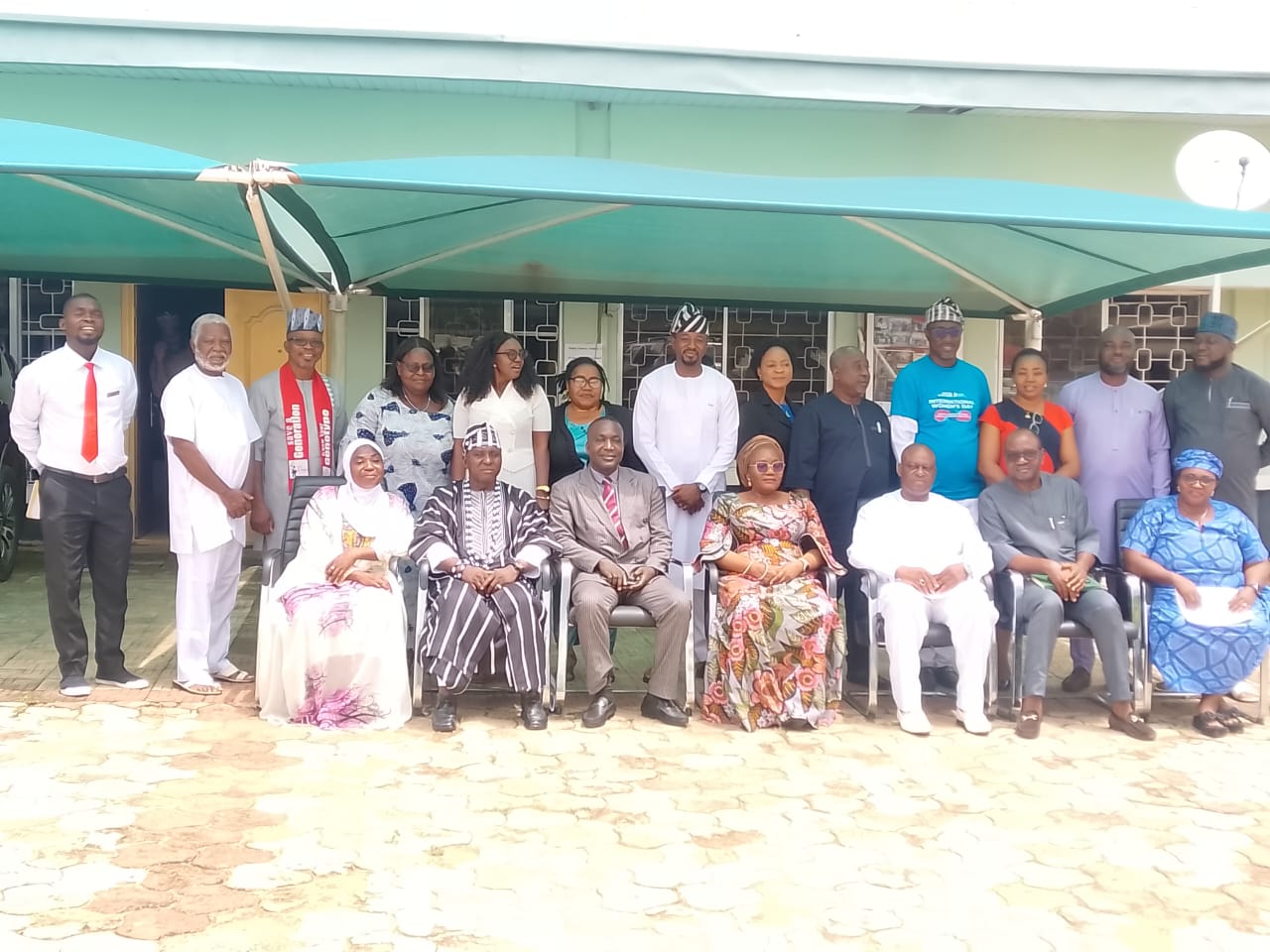
The Benue State Government, in collaboration with UN Women, has inaugurated a State Steering Committee on Male Engagement in Antenatal Care (ANC), Postnatal Care (PNC), and Prevention of Mother-to-Child Transmission of HIV (PMTCT) to address social norms limiting men’s participation in maternal and child healthcare.
The committee shall serve as the highest coordinating and oversight body responsible for providing strategic leadership, policy direction, resource mobilisation, multisectoral coordination, and oversight for the implementation of interventions that address the social norms preventing men and boys from fully participating in health and social well-being services, including HIV prevention, reproductive health, mental health, and Gender-Based Violence (GBV) response.
Inaugurating the committee in Makurdi on behalf of Governor Hyacinth Alia, the Secretary to the State Government (SSG), Mrs Deborah Aber, described the initiative as a major step towards improving maternal and child health outcomes, as well as strengthening family well-being across the state.
Aber said the committee was carefully constituted to include representatives of government, traditional institutions, religious bodies, civil society organisations, the media, and development partners to ensure a broad-based approach to tackling the challenge.
She noted that greater male involvement in maternal and child healthcare would not only help reduce mother-to-child transmission of HIV but also improve family support systems, maternal health, and the overall well-being of communities.
According to the SSG, many women continue to face health and emotional challenges, including postpartum depression, often without adequate support, stressing that the initiative would create opportunities for men to better understand and participate in the healthcare journey of their wives and children.
She charged members of the committee to provide strategic leadership, guidance, and oversight for the successful implementation of the programme across the state, while formally designating the Commissioner for Health and Human Services to coordinate the initiative on behalf of the government.
Speaking on behalf of the UN Women Country Representative, Mrs Beatrice Eyong, the Deputy Representative, Mrs Patience Ekeoba, described the inauguration as the beginning of a movement aimed at recognising men as critical partners and champions of maternal, newborn, and family health.
She said evidence had shown that maternal and child health could no longer be viewed solely as women’s issues, disclosing that a recent study found that less than four per cent of men were actively involved in pregnancy, childbirth, and postnatal care.
Ekeoba explained that the steering committee emerged from a four-day training organised by UN Women and partners for community leaders and health workers, during which participants unanimously agreed on the need for a platform to sustain advocacy and implementation efforts.
She commended the Benue State Government for its commitment to the initiative, noting that since the training held in May, more than 13 step-down trainings had already been conducted in communities, health facilities, and media organisations across the state.
The UN Women official expressed confidence that the committee would help tackle negative maternal and child health indicators and contribute to efforts aimed at reducing new HIV infections among children through increased male participation and family-centred healthcare.
Also speaking, UNAIDS representative, Mr Gabriel Undelikwo, praised the Benue State Government for its leadership and commitment, stressing that families achieve better outcomes when men actively play their roles in supporting women and children.
Other News
Undelikwo assured the state of UNAIDS’ continued support, noting that Benue had demonstrated strong leadership in coordinating donor-supported programmes and remained a strategic partner in efforts to improve public health outcomes.
The Commissioner for Health and Human Services, Dr Paul Ogwuche, said male involvement in maternal and child health was no longer optional, given the influence of cultural norms and family structures on healthcare decisions.
Ogwuche pledged the ministry’s full support for the committee, assuring stakeholders that government would provide the necessary policy direction, logistics, coordination, and monitoring mechanisms to ensure its success.
Earlier, the Director-General of the Benue State Bureau for International Cooperation and Development (BICD), Dr Leo-Angelo Viashima, said the state was taking bold steps to address long-standing HIV and maternal health challenges, stressing that preventing HIV transmission to infants requires greater male participation throughout pregnancy and childbirth.
He urged traditional and religious leaders to champion the campaign in their communities and congregations, saying:
Viashima said: “The traditional and religious leaders can use their settings to push this advocacy. At meetings, marriage courses and weddings, what you tell the couples, this should systematically be imbibed in it. Use your sessions to advance the course of male engagement in ANC, PNC and PMTCT. We want to see men going to the hospital with their wives.”
Also speaking, Mr Martin Mary with UN Women, who gave an overview of male engagement in maternal health, lamented the poor record of 3.4 per cent male participation across the country.
He said it was expected that, when implemented, Benue would witness improved multisectoral coordination mechanisms, an improved policy environment supporting male engagement, increased male participation in ANC, PNC and PMTCT services, strengthened resource mobilisation and programme sustainability, improved monitoring, accountability and programme performance, as well as enhanced collaboration among government, communities, and development partners.
The Director of Programmes, Benue State SDGs, Mr Terver Yager, appreciated the Benue State Government, represented by the SSG, Dr Deborah Aber, for demonstrating strong commitment to advancing health and social well-being through positive male engagement.
He described the inauguration as the beginning of an important journey in transforming social norms, strengthening families and communities, improving health outcomes, and ensuring that men and boys become active partners in promoting the well-being of women, children, and society as a whole.
He acknowledged the invaluable support of UN Women and other development partners and all stakeholders, and urged collective action, united by a common vision, to take Benue State where positive social norms empower men to contribute meaningfully to healthier families, stronger communities, and improved social well-being for all.
The inauguration ended with a renewed commitment by traditional rulers, religious leaders, civil society organisations (CSOs), development partners, and stakeholders to mobilise communities, strengthen awareness campaigns, and promote male engagement as a key strategy for improving maternal, newborn, and child health outcomes in Benue State.