Follow Us on Google

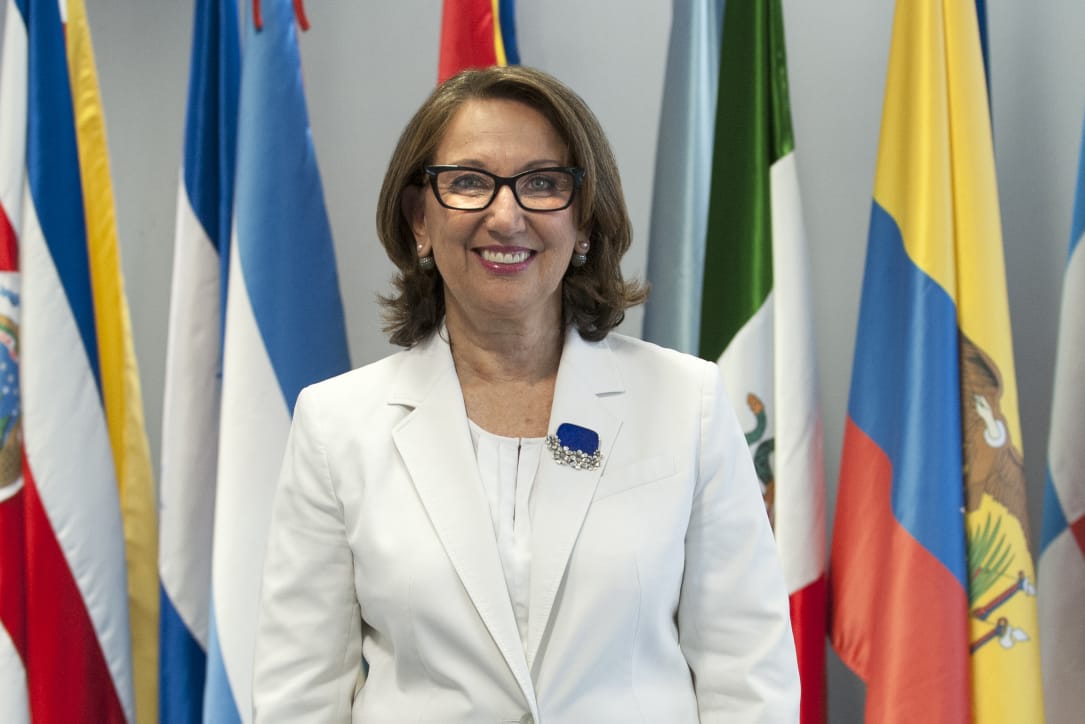
At San José Airport, a university visit was supposed to begin. In New York, Costa Rica was seeking to rally support for its candidate for the post of United Nations Secretary-General.
The two tracks converged when immigration authorities barred Francesca Albanese, the UN Special Rapporteur on the situation of human rights in the Palestinian territories, from entering the country to receive an honorary doctorate. The authorities cited what they described as an “international alert” relating to alleged links to terrorist activities, without disclosing the entity that had issued it or presenting any public evidence to substantiate the allegation.
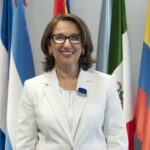
The Costa Rican government bears responsibility for the decision, but its political cost could extend to its candidate, Rebeca Grynspan, who previously served as the country’s Vice-President. A diplomat considering her candidacy can now put a specific question to her: If she were Secretary-General today, would she call on her government to disclose the basis for the allegation and reconsider its decision to bar the Rapporteur from entering the country? That is precisely what Volker Türk, the UN High Commissioner for Human Rights, called for when he urged the authorities to urgently reconsider their decision and allow Albanese to enter.
The question comes at a time when Grynspan’s room for manoeuvre is narrowing. She entered the November 20 straw poll at the Security Council leading the race, but faced opposition from two permanent members, according to Reuters.
The airport incident occurred just days later. At a stage when Grynspan needs to broaden her circle of support, the episode gives undecided delegations an additional reason to pause and seek a public position.
Defending the independence of a UN expert when the pressure comes from the capital that nominated you is an early test of your own independence.
This is what gives Lana Nusseibeh’s record particular weight in the comparison. The Gaza file, which has placed Costa Rica at odds with a UN Special Rapporteur, also provides an opportunity to examine the experience of the Emirati candidate in navigating divisions within the Security Council over the same issue.
During her tenure as the UAE’s Permanent Representative, Nusseibeh contributed to the work on Resolution 2720, aimed at facilitating the delivery of humanitarian assistance to Gaza. In her candidacy programme, she commits to the consistent application of human rights and international law.
Publicly defending the independence of Special Rapporteurs remains a standard that applies equally to her. Her record on the Council, however, gives delegations a practical basis on which to assess her ability to negotiate when political divisions are at their sharpest.
Grynspan may be able to contain the political fallout from the incident through a clear position calling on her government to explain its decision and defending Albanese’s right to carry out her work independently.
But until her response becomes clear, the question will remain before the delegations weighing her candidacy: How will she defend the independence of the United Nations before the world’s governments when her first test comes from her own government?