Follow Us on Google
By Bimbola Oyesola
The United Kingdom government has unveiled sweeping plans to ban children under 16 from using major social media platforms, in what ministers described as a landmark move to reclaim childhood and protect young people from online harms.
Under proposals expected to be brought before Parliament before Christmas, social media giants including Snapchat, TikTok, Instagram, Facebook, YouTube and X would be prohibited from offering their services to under-16s. The measures, which ministers say are backed by nine in 10 parents, could come into force as early as Spring 2027.
The announcement marks one of the most significant interventions in the digital lives of young people since the rise of social media, with the government promising to go further than any other country in the world in protecting children online.
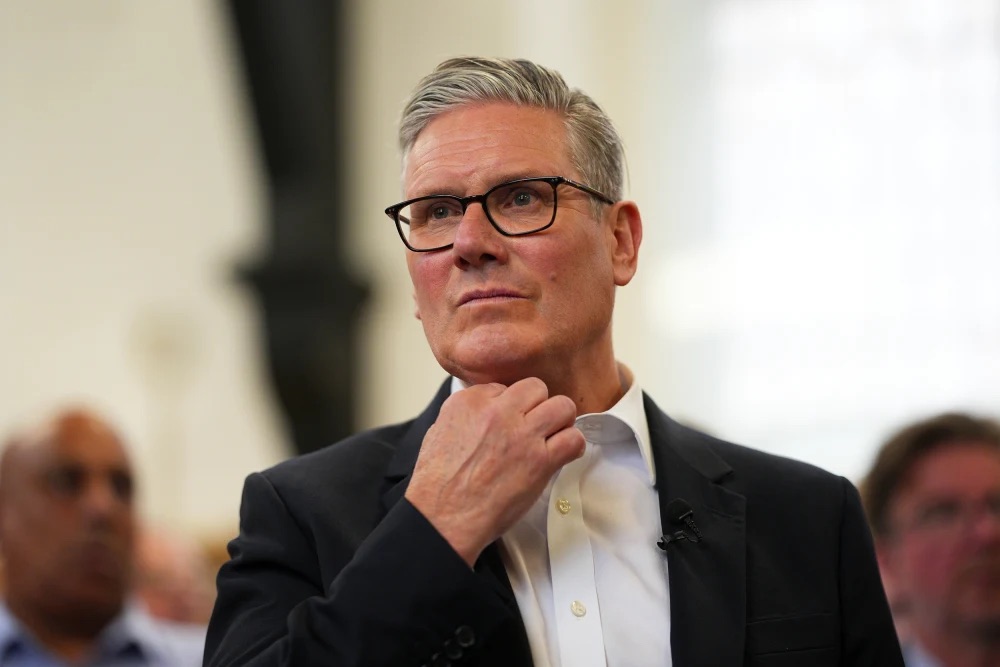
Prime Minister Sir Keir Starmer said the plans represented a decisive break from the status quo and a direct response to concerns raised by families across Britain.
“Parents want to keep their kids safe and happy, but the online world has made that harder than ever,” he said. “I’ve heard first hand from families crying out for change and we will do right by them.”
Starmer said the government was drawing “a line in the sand” after years of what ministers describe as failures by technology companies to adequately safeguard children.
“That’s why we’re going further than any country in the world by banning social media for under-16s and putting wider protections in place to give kids their childhood back,” the Prime Minister said. “Tech giants had their chance and failed, but we’re stepping in to protect children, back parents and set a new normal for future generations.”
The government plans to model the ban on legislation introduced in Australia, targeting user-to-user social media services that allow users to post content and interact through algorithm-driven feeds. Messaging services such as WhatsApp and Signal are not expected to be included.
However, ministers insist the proposals are about much more than a social media ban alone. Alongside the restrictions, under-16s would be blocked from using potentially harmful online features such as livestreaming themselves and communicating with strangers across a wide range of digital services, including gaming platforms.
In a further move designed to prevent what ministers describe as a “cliff-edge” at age 16, many of the new safety settings would automatically apply to 16 and 17-year-olds. Officials are also examining overnight curfews and mandatory breaks from infinite scrolling for under-18s, with more details expected next month.
Technology Secretary Liz Kendall said the government was taking action after repeated failures by technology firms to prioritise child safety.
Other News
“Today we take a bold and significant step towards creating a safer, healthier life online for our children and future generations,” she said. “Tech companies have had countless opportunities to keep children safe, yet they have failed to act.”
Kendall said the new rules would shift power away from Silicon Valley and back towards families. “We are taking power away from the tech giants and putting it back in parents’ hands,” she said. “My driving force has always been to give every child, from every background, the best possible start in life.”
The package also targets emerging technologies. So-called AI “romantic companion” chatbots designed to simulate intimate or sexual relationships will be required to enforce a minimum age of 18, while similar features on other AI services will face restrictions for under-18s.
Government ministers argue the proposals reflect the reality that harmful experiences online increasingly occur across multiple services and technologies rather than on traditional social media platforms alone.
To ensure the rules are effective, ministers will introduce stronger age-verification measures and have tasked Ofcom with conducting an urgent review into the most reliable methods of determining whether users are over 16. The regulator has also been asked to develop a robust enforcement strategy to ensure companies comply with the new requirements.
The government has pledged that Ofcom will receive the funding needed to enforce both the new rules and existing online safety laws, including efforts to tackle child sexual abuse material, fraud, scams and harmful content affecting vulnerable users.
Support for tougher restrictions appears widespread. More than 116,000 responses were submitted during a nationwide consultation, with nine out of ten parents backing a social media ban for under-16s. Ministers said two-thirds of young people also supported restrictions on at least some social media platforms for younger children.
Campaigners have long argued that real-time content, algorithm-driven feeds and stranger contact expose children to harmful, distressing and addictive material that can be difficult for platforms to moderate effectively.
The government believes the new measures will help reduce those risks while encouraging healthier childhood experiences.
Ministers say the social media ban forms part of a wider programme aimed at improving children’s wellbeing, including expanding access to sport, arts, nature and enrichment activities, while reforming education to ensure every child has the opportunity to develop their talents and thrive.
With legislation expected within months and implementation targeted for Spring 2027, the government is betting that Britain can lead the world in reshaping the online experience for children. For parents who have spent years worrying about what appears on their children’s screens, ministers hope the message is simple: less scrolling, more childhood.