Follow Us on Google
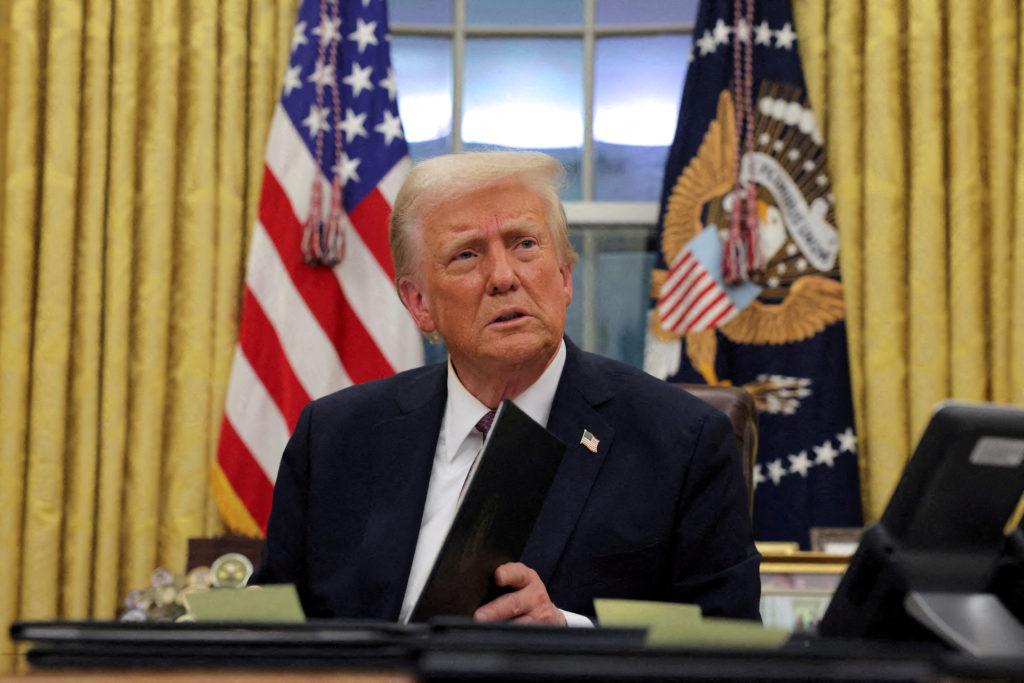
United States President Donald Trump has said Washington will seek financial compensation from allied nations for safeguarding the Strait of Hormuz, declaring that the US would assume responsibility for protecting one of the world’s most strategic maritime trade routes.
Speaking during an interview on Fox & Friends on Monday, Trump said the United States had secured the waterway for years without receiving adequate compensation, adding that the arrangement would now change.
“We’ll become the guardian of the Strait,” Trump said. “We’re going to get paid for guarding it. A lot of money, but we just want to be reimbursed for doing all of this, for putting our people in danger.”
His remarks came amid renewed military exchanges between the United States and Iran, marking the most significant escalation since an April ceasefire and casting fresh uncertainty over efforts to restore lasting peace in the Middle East. The latest hostilities have intensified concerns over global energy supplies, with shipping through the Strait of Hormuz remaining severely disrupted.
The narrow waterway, through which a significant share of the world’s oil and liquefied natural gas exports passes, has remained at the centre of tensions between Washington and Tehran.
Trump also criticised Iranian negotiators, accusing them of attempting to alter terms that had already been agreed during marathon negotiations held over the weekend.
“We’re taking over the Strait. They have nothing. They’ve got nothing,” Trump said. “Yesterday, they had an 11-hour meeting… And everything was agreed to yesterday. And they leave the room, and they call back, and they say we had to make a couple of changes.”
The US President did not specify the changes Iran allegedly requested.
Meanwhile, Iran’s Foreign Ministry said it was engaging mediators from Qatar, Pakistan and Oman in a fresh diplomatic effort to prevent the conflict from escalating further.
While Iran’s Islamic Revolutionary Guard Corps has maintained that the Strait of Hormuz is “closed”, the United States insists the vital shipping corridor remains open to international maritime traffic and rejects Tehran’s claim of control over the passage.
The latest developments underscore the growing geopolitical and economic significance of the Strait of Hormuz, with energy markets closely monitoring the conflict amid fears of further disruption to global oil exports.