Follow Us on Google
From Juliana Taiwo-Obalonye, Abuja
Public policy advisory group Nextier, following its research study on the circumstances leading to the exit of multinational firms (MNCs) recently from Nigeria, has advised Federal Government to implement key measures like more transparency in foreign exchange dealings, supporting indigenous startups and industries as well applying concessionary duties on such essential medical products to halt the trend.
In the report authored by Dr. Chukwuma Okoli, an Associate Consultant at Nextier and Lecturer at the Political Science Department at Nnamdi Azikiwe University, Awka, Nigeria; and Dr. Ndu Nwokolo, a Partner at Nextier and an Honorary Fellow at the School of Government at the University of Birmingham, UK, the group noted that within the last 10 months, at least five MNCs, including household names in Fast Moving Consumer Goods (FMCG) like GlaxoSmithKline Nigeria (GSK), Procter & Gamble, Unilever and Sanofi-Aventis Nigeria Limited, have decided to exit Nigeria by ending manufacturing operations in the country.
Nextier noted that the major reason cited by these MNCs for exiting the country borders on the harsh business environment, adding that even available statistics on Nigeria’s business environment support this claim by the MNCs.
In the report, Nextier sought and proffered solutions which include the recommendation that the political and social issues affecting businesses in the country need urgent, intentional and locally-led solutions, such that government ought to do things differently to return trust in both local and foreign investments.
The report pointed out that the exit of the MNCs should serve as an opportunity for the Nigerian state to deepen support for indigenous industries, firms and start-ups in various sectors, in the form of tax holidays, subsidies for inputs, and funding for research and development in areas that will catalyse innovation beneficial to the local industries.
“To this end, there is an urgent need to operationalise the eight pillars of the National Digital Economy Policy and Strategy (NDEPS) and implement the provisions of the Nigeria Start-up Act 2022”, it stated.
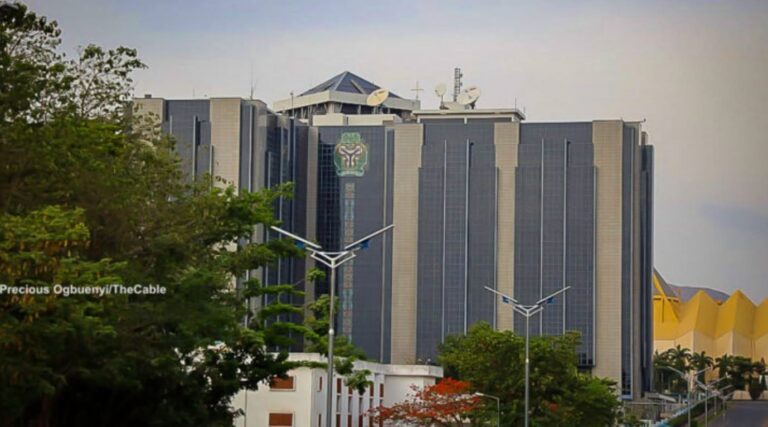
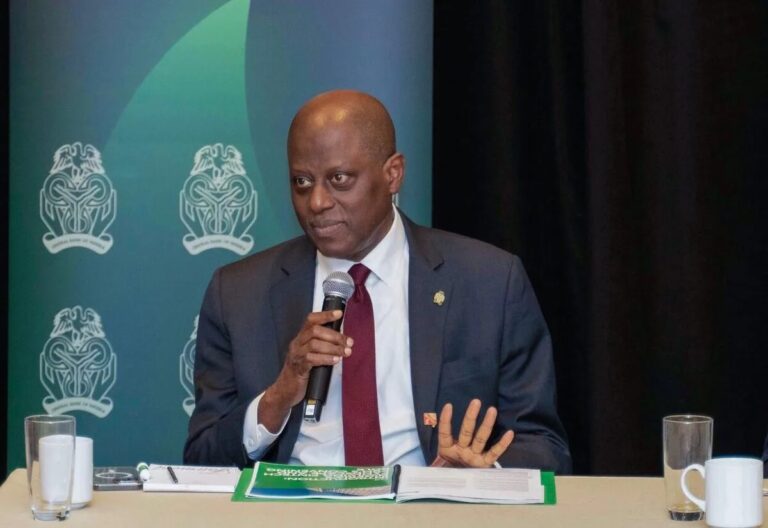
According to the researchers, there is a need to carry out reform of institutions critical for creating an enabling environment for businesses to thrive in all sectors and that the Nigeria National Petroleum Corporation Limited (NNPCL) and the Central Bank of Nigeria (CBN) should be reformed to be more transparent in their dealings with foreign exchange.
“The government should partner with credible advisory organisations to deepen conflict early warning and response. This will go a long way in reducing violent conflicts and mitigating their impact on the business environment.
“Given that some products of the exiting MNCs are essential medical products, in the short run, the Nigerian Customs may consider applying concessionary duties on such essential medical products which will now be imported from outside the country following the exit of MNCs like GSK”, they suggested.
Giving further background, Nextier stated that “The NNPCL and the CBN have been implicated in Nigeria’s foreign exchange crisis. The NNPC, which is the business arm of the state, has been accused of a lack of transparency in its business dealings, particularly in the area of remitting dollar earnings to the federation account.
“Similarly, the CBN has been accused of favouritism in selling foreign exchange. The inability of the NNPC to remit foreign exchange earned from the sale of crude oil and the lack of transparency by the CBN in selling foreign exchange implies that some businesses, including MNCs, are unable to access foreign exchange needed for their business operations.”
The Nextier report also noted that the 2019 World Economic Forum (WEF) global competitiveness index scored Nigeria 48.3% and ranked her 116 out of 141 while Nigeria ranked 131 out of 190 countries in the 2020 World Bank Ease of Doing Business report.
In 2021, Rand Merchant Bank (RMB) scored Nigeria 5 on a scale of 1 (poor) to 10 (good), and she ranked 14th out of 54 African countries in terms of investment attractiveness.
The unstable economic climate is worsened by security challenges as Nextier stressed that “Nigeria manifests all features of fragility, and the state has lost its monopoly over the legitimate use of force as various non-state armed groups in parts of the country have continued to cause mayhem in parts of the country.
“The weak capacity of the state to provide security for lives and properties has seen the rise of outlawed groups taking the law into their hands in an attempt to protect their communities from other non-state armed groups.”