Follow Us on Google
By Aminat Orisatoye
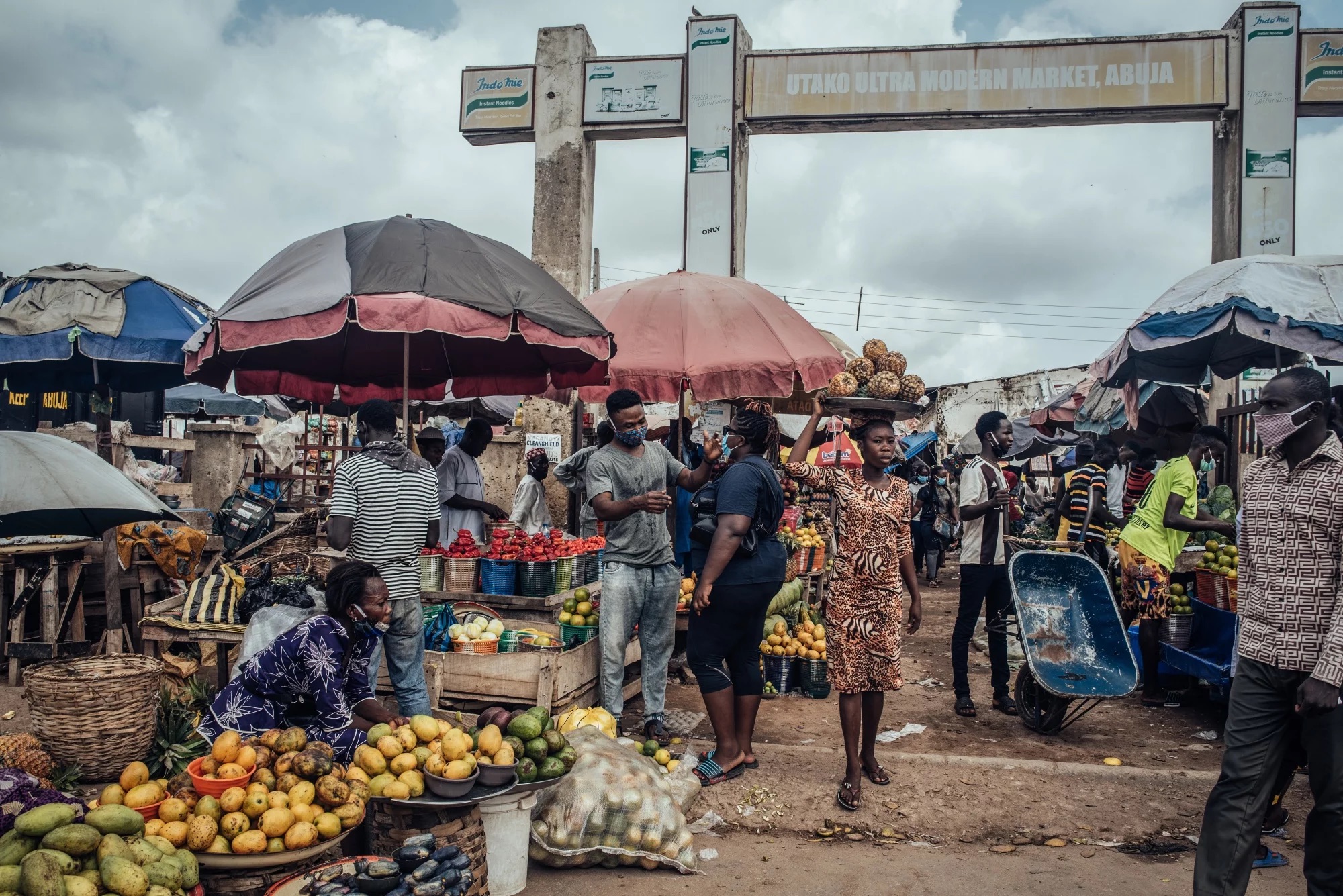
The fluctuation in food prices is nothing new to Nigerian markets and this year is no exception. Every item has its season and prices tend to go up when those items are out of season. Traders and buyers alike have learned to adapt to this pattern over the years, but for some, the situation feels more intense now due to the general economic hardship in the country, which continues to affect the standard of living. Daily Sun recently visited Ijoko Market in Ogun State to interview traders about their experiences and how the changing prices are impacting their market.
Many of the traders shared how seasons affect prices, explaining that when goods are in season, prices drop, making them cheaper to buy. However, once out of season, prices rise sharply, putting a strain on both sellers and buyers. Combined with the current economic challenges in the country, these fluctuations have made it difficult for traders to maintain steady sales. A sugar seller, Mrs. Sarah Olawuyi, popularly known as Iya Sugar, confirmed the rise in commodity prices. “When I started my sugar business, I used to buy a bag of sugar for just N80. What then changed that a bag of Dangote and Cutonu sugar now costs N80,000 and N77,000 respectively? Aren’t we still in the same world where it once cost N80?” she lamented. She added, “I won’t blame the manufacturers, because everyone is trying to make profit. The high cost of petrol is really affecting the prices of goods. A lot of products are made using petrol, and transporting them also depends on fuel. If the price of petrol comes down, the cost of things will reduce as well.”
“We urge the government to help us do something about it. The cost of living is already becoming unbearable,” she lamented.
A pepper seller, Ibrahim Muhammed, explained why the price of pepper fluctuates at different times. According to him, “Rodo is usually less expensive than tomatoes because it’s easier to source. We can easily get rodo from Abeokuta and other nearby Yoruba towns, but we have to go as far as Nasarawa and Niger State to buy tomatoes.”
He added, “Right now, we are in the season of pepper, so it’s more affordable, and sales have been massive.”
Mr. Igwe Nwaeze, a rice and garri seller, talked about how the market is now unstable. “We can’t tell today what food will cost tomorrow. During this period, food is expensive. The uncertainty in the economy is affecting supply and the movement of goods,” he said.
“A bag of rice now is ₦60,000, although it was cheaper last year compared to this year,” he added.
Kayode Bamiro, a plastic wholesaler, said he buys from companies when asked by our correspondent how he has that much in store.
He noted that the price of plastic in the country tends to increase every two years.
“According to him, the rise in the cost of goods is largely the fault of the government. ‘Generally, the Nigerian government is not concerned about inflation. In other parts of the world, governments are focused on addressing inflation, but here, nothing is being done — not even in the plastic business,’ he said.”