Follow Us on Google
By Bianca Iboma-Emefu
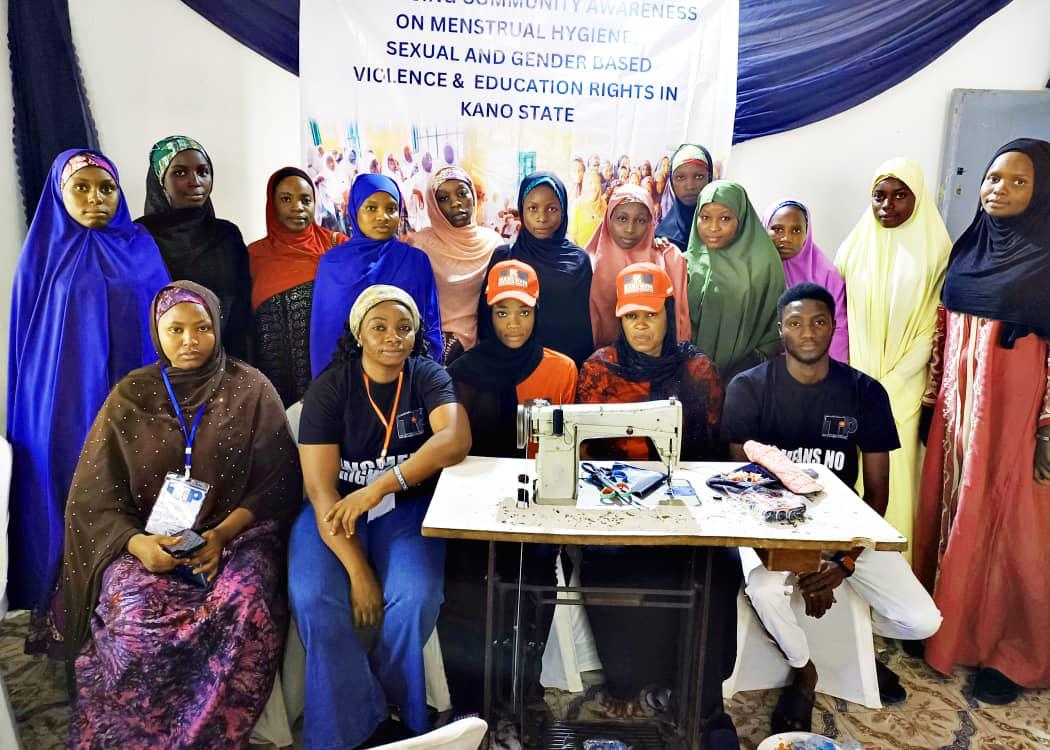
As part of its ongoing efforts to advance menstrual health, uphold girls’ dignity, and promote their rights across Nigeria, The Inclusion Project (TIP) organized forums in Kano and Imo States through its Menstrual Hygiene and Reusable Pad Initiative.
The programme aims to address period poverty, boost girls’ confidence, and ensure that menstruation does not hinder their education or wellbeing.
A statement signed by Pamela Okoroigwe, Director of The Inclusion Project, explained that during the Kano State forum, TIP facilitated a series of menstrual hygiene awareness sessions designed to empower adolescent girls with accurate information about their bodies, rights, and the importance of caring for their menstrual health without shame or stigma.
Okoroigwe noted that the sessions included open discussions on myths surrounding menstruation, the significance of hygiene, and the role of education in enhancing girls’ confidence.
She added that participants were also trained in the production of reusable sanitary pads using simple, affordable materials—skills that promote sustainability and support girls who may be unable to afford disposable pads each month.
The statement further revealed that girls at the event shared how the training provided them with knowledge they had never received before, enabling them to attend school without fear of staining themselves with other materials they previously used during their periods.
“Many of them used to stay home during their periods, but now, with these easy do-it-yourself reusable pads, they no longer need to miss school,” the girls reportedly said.
In Imo State, TIP’s Director stated that the organization continued its outreach with a menstrual hygiene empowerment workshop, bringing together adolescent girls and women leaders for an interactive learning experience.
The session emphasized that menstrual health education is a pathway to confidence, dignity, self-awareness, and improved educational opportunities for girls.
Participants learned how to create reusable pads using a simple three-layer method, gaining both knowledge and a long-term solution to challenges related to the affordability of menstrual products and school attendance.
The workshop also addressed harmful cultural beliefs and encouraged participants to advocate for themselves, emphasizing that menstruation should never interrupt a girl’s education, movement, or opportunities.
During the Imo forum, TIP Programme Manager Oguchienti Jane shared that girls also expressed personal experiences of stigma and how the training helped them understand that menstruation is healthy, natural, and nothing to be ashamed of.
“Our work with girls in Kano and Imo reflects our belief that menstrual health is not just a hygiene issue; it is a matter of dignity, equality, and human rights,” Jane said.
She added that by teaching girls how to manage their periods safely and confidently, TIP is giving them the freedom to focus on their dreams without interruption.
Through these combined efforts, TIP is not only providing practical tools but also amplifying girls’ voices, increasing community awareness, and challenging systems that restrict girls due to a lack of knowledge or resources.
As TIP expands its Reusable Pad Initiative, the organization reaffirms its commitment to building a society where no girl is held back from school by stigma, silence, or economic barriers.
It is noteworthy that The Inclusion Project launched this campaign with support from the Malala Fund, following interactions with girls in these communities and observations of how period poverty affects girls’ school attendance, health, and confidence.