Follow Us on Google
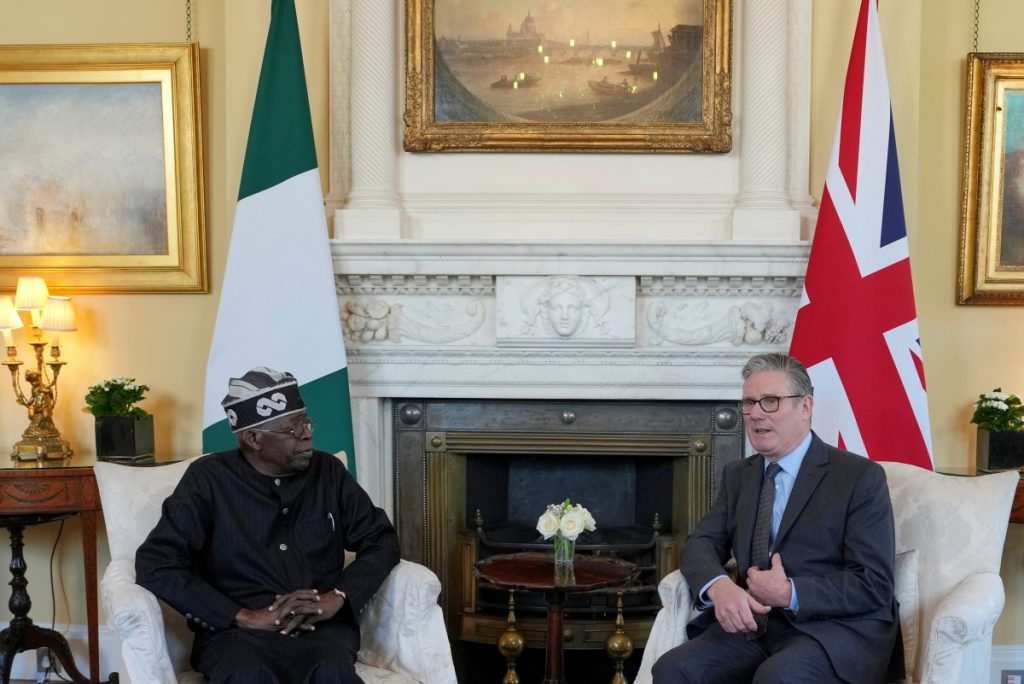
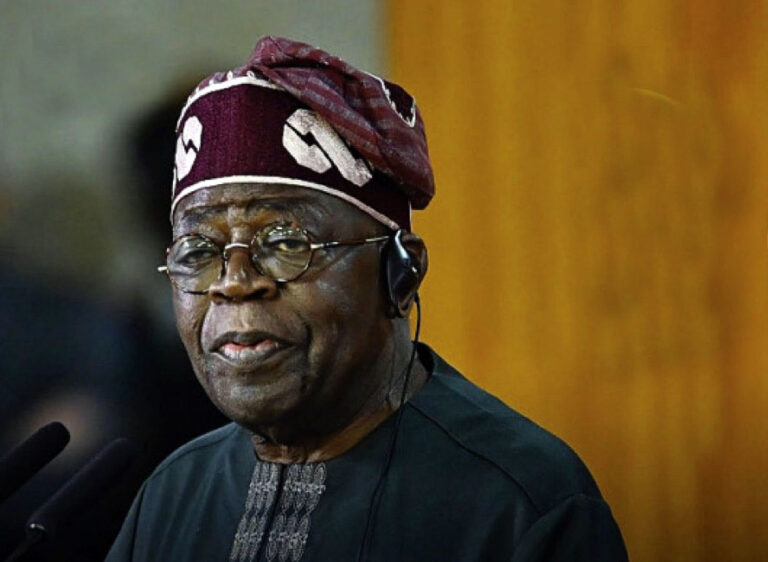
President Bola Tinubu’s recent historic two-day state visit to the United Kingdom (UK) was remarkable and beneficial to both countries. The visit was the first by a Nigerian leader in almost four decades. The last was by Nigeria’s former military President, Gen. Ibrahim Babangida (retd), in 1989.
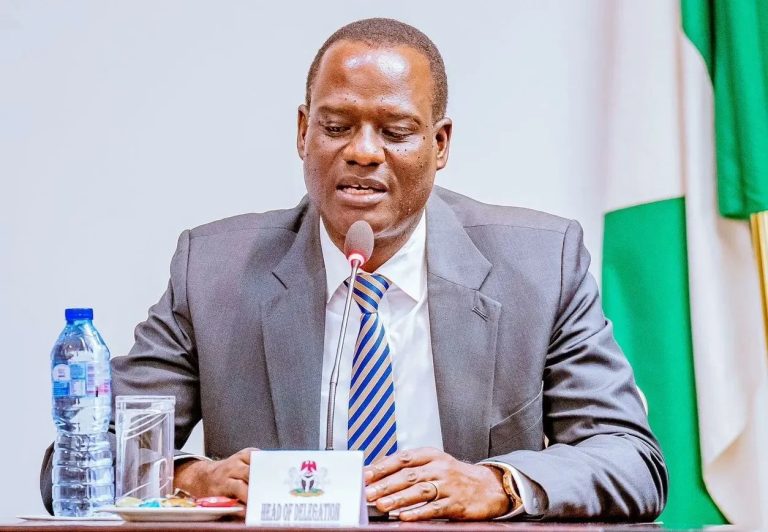
One of the cheering outcomes of the visit was the signing of the landmark £746 million or $997 million agreement to modernise Apapa and Tin Can Island ports in Lagos. The deal will be biggest port upgrade in Nigeria in the past 50 years. Nigeria’s Minister of Finance and Coordinating Minister of the Economy, Mr. Wale Edun, signed on behalf of the Federal Government, while the UK Parliamentary Under-Secretary and Minister for Small Business and Economic Transformation, Blair McDougall, signed on behalf of the British government.
According to statistics, Apapa and Tin Can Island ports handle more than 70 per cent of Nigeria’s imports and exports. They also serve as gateways for the nation’s maritime trade. The Apapa port, which was established in 1913, has for more than a century remained Nigeria’s oldest and busiest seaport. Tin Can Island port was commissioned on October 14, 1977, to complement Apapa port. Despite their strategic importance, none of them has experienced any significant upgrade.
The financing arrangement between Nigeria and UK regarding the two ports will be guaranteed by the UK Export Finance (UKEF) through Buyer Credit Facility. The project will be coordinated by the UK-based Citibank, London branch. Citibank is no stranger to big-time project financing in Nigeria, having been in the country for over four decades.
Under the agreement, the financing package will deliver significant benefits for British businesses with £236 million of supply contracts directed to British companies, including a record £70 million steel supply agreement awarded to British Steel. The British company will provide 120,000 tonnes of steel billets, two leading engineering construction firms, Hitech and ITB Nigeria Limited, for the ports upgrade. ITB was established in 1995 and specialises in design and innovation. In March last year, the Federal Executive Council (FEC) approved a contract of $700 million to renovate the Tin Can and Apapa ports. The contract is being financed by Citibank and backed by UK Export Finance.
Other News
The financing agreement is a defining moment for Nigeria’s maritime sector. The Tinubu administration should, through this historic partnership with the UK government, ensure efficient management of Nigerian ports. In fact, there is need to unlock the full potential of the maritime sector across the country. Other ports, such as the Calabar and Onne ports, should be included in the deal in the nearest future. Any modernisation and upgrading of Nigerian ports that exclude other ports will not be far-reaching enough.
If the federal government wants to ensure efficiency and global competiveness of our maritime sector, no port in the country should be left out in the upgrade. The upgrade of all ports will reduce cargo clearing time, logistics cost, improve transparency and boost government revenues. The project is also expected to boost trade, create jobs, reduce poverty, and deepen economic ties between the two nations.
Currently, the disruption in port system has left manufacturers and other port users incurring about N1.2trillion in demurrage in the last five years, according to figures from the Manufacturers Association of Nigeria (MAN). The poor ease of doing business in Nigeria is bound to affect the government’s ambitious $1trillion economy. The recent introduction of the controversial 4 per cent Free on Board (FOB) will worsen the situation as it has increased the cost of clearing goods at the ports to over 200 per cent. Due to the exorbitant charges, many cargoes bound for Nigerian ports are being diverted to the ports in Lome, Togo, and Cotonou, in Benin Republic, as well as Tema in Ghana. For this reason, the United States and Russia are reported to be planning to position the ports in neighbouring West African countries as their preferred maritime hubs in the sub-region.
Ii is worrisome that in spite of the fact that Nigeria’s maritime sector is valued in excess of $6.4trillion and annual revenue estimated at N1.6trillion, Nigeria ports are losing their preeminence position among West African ports. This is not helping Nigeria’s economy that depends on the efficiency of the ports. Currently, Nigeria is ranked among the lowest African countries in global maritime tourism. It is not a good story for a country that ranks very high in importation.
Holistic modernisation of all Nigerian ports is important to boost foreign trade. Data from the World Trade Organisation(WTO) showed that Nigeria’s contribution to world trade is at all-time low of 0.33 per cent. We need to improve on this. The exclusion of other ports for the upgrade and modernisation in the UK deal is, therefore, untidy and should be revisited.