Follow Us on Google
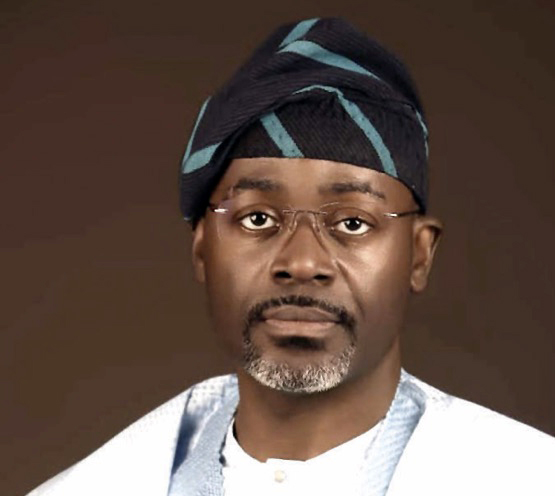
Obafemi George, a chieftain of All Progressives Congress (APC) in Lagos State, has described President Bola Tinubu support for the establishment of state police as a bold and timely step towards addressing Nigeria’s protracted security challenges.
He said the creation of state police would fundamentally transform Nigeria’s security architecture by giving state governments greater operational control over policing and improving accountability in the maintenance of law and order.
According to him, the country’s current centralised policing system has long constrained governors in the discharge of their constitutional responsibility of ensuring public safety despite being widely regarded as the chief security officers of their respective states. George speaks on this among others during a chat with journalists.
President Bola Tinubu has thrown his weight behind the establishment of state police. What is your reaction?
I strongly welcome the President’s support. It is a bold and timely decision that can significantly address Nigeria’s long-standing security challenges. The creation of state police will fundamentally transform our security architecture by giving state governments greater operational control over policing and improving accountability in maintaining law and order.
Why do you believe the current policing structure is inadequate?
Nigeria currently operates a highly centralised policing system, which has limited the ability of governors to effectively discharge their responsibility of ensuring security. Although governors are widely referred to as the chief security officers of their states, they do not have direct operational control over the police.
Does the Constitution recognise governors as chief security officers?
No. That description is not expressly provided for in the Constitution. Section 215(4) empowers governors to issue lawful directives to Commissioners of Police on matters relating to public safety and public order, but those commissioners ultimately report to the Inspector-General of Police and the Federal Government.
What problems does this create?
It creates a contradiction. A governor is expected to guarantee security, yet lacks operational control over the security apparatus. It becomes difficult to hold someone accountable for security when that person does not control the security machinery.
How would state police address these challenges?
State police would eliminate this structural imbalance by bringing policing closer to the people. It would enable quicker responses to local security threats, improve intelligence gathering, strengthen collaboration between communities and security agencies, and empower governors to coordinate security operations more effectively.
Some Nigerians fear governors could abuse state police for political purposes. Are those concerns justified?
Every democratic institution has its challenges, but those concerns should not derail an important constitutional reform. No governance system anywhere in the world is perfect.
Are there international examples Nigeria can learn from?
Certainly. The United States has operated state police since the 19th century. While there have been occasional abuses, the system has continued to function because of strong institutional safeguards and oversight mechanisms. The solution is not to reject state police but to establish effective checks and balances that ensure accountability and professionalism.
What should lawmakers focus on while considering the constitution amendment?
Other News
They should ensure the legislation contains clear safeguards to prevent abuse while preserving the operational independence and professionalism of state police.
Beyond security, how do you assess President Tinubu’s administration?
I am optimistic. The administration’s economic reforms and infrastructure investments have positioned Nigeria on the path to long-term growth and prosperity. Many of the difficult policy decisions being implemented today are laying the foundation for sustainable national development.
Do you believe Nigerians will support President Tinubu ahead of the 2027 elections?
Yes. I believe the President will enjoy widespread public support because many Nigerians are beginning to appreciate the long-term benefits of his policies.
What gives you confidence on economic reforms?
Nigeria’s reforms have attracted increasing attention from international financial institutions and investors, who see the country implementing difficult but necessary structural adjustments that will strengthen the economy over time.
How important is infrastructure to economic development?
Infrastructure is the backbone of every successful economy. Roads, transportation networks and connectivity determine the pace of commerce, investment and industrial growth. President Tinubu understands this and is implementing projects that will reshape Nigeria’s economy for decades to come, just as he did during his tenure as Governor of Lagos State.
Which infrastructure initiatives stand out to you?
The establishment of regional development commissions across the North-West, North-Central, South-West, South-South and South-East demonstrates the administration’s commitment to balanced development. In addition, landmark projects such as the Lagos-Calabar Coastal Highway, the Sokoto-Badagry Super Highway and the Akwanga-Borno Highway will significantly improve connectivity, stimulate commerce and promote national integration.
What economic impact do you expect from these projects?
The Lagos-Calabar Coastal Highway will unlock enormous opportunities in transportation, tourism and maritime investments across Nigeria’s coastal states. The Sokoto-Badagry Super Highway will create a strategic economic corridor linking the agricultural strength of the North-West with Lagos, the country’s commercial hub. The Akwanga-Borno Highway and other ongoing federal road projects will strengthen transportation across the North-Central and North-East, facilitate trade, reduce travel time and improve the movement of agricultural produce and manufactured goods.
What broader lessons can Nigeria draw from other countries?
History shows that infrastructure drives economic transformation. The United States built its industrial strength on the interstate highway system, while China’s remarkable economic rise since 1979 has been powered by sustained investments in roads, railways, ports, industrial parks and public utilities.
Your message for Nigerians?
Countries that have experienced rapid economic transformation achieved it through consistent investment in infrastructure over many years. Nigeria is embarking on a similar journey. While the benefits may not be immediate, the long-term impact will be profound if these projects are completed and sustained. I therefore urge Nigerians to support the ongoing constitutional reforms and infrastructure investments because improved security and modern infrastructure are indispensable to economic growth, national unity and sustainable development.