Follow Us on Google
President has broken Nigeria’s cycle of deferred reforms –PEBEC DG
From Juliana Taiwo-Obalonye, Abuja
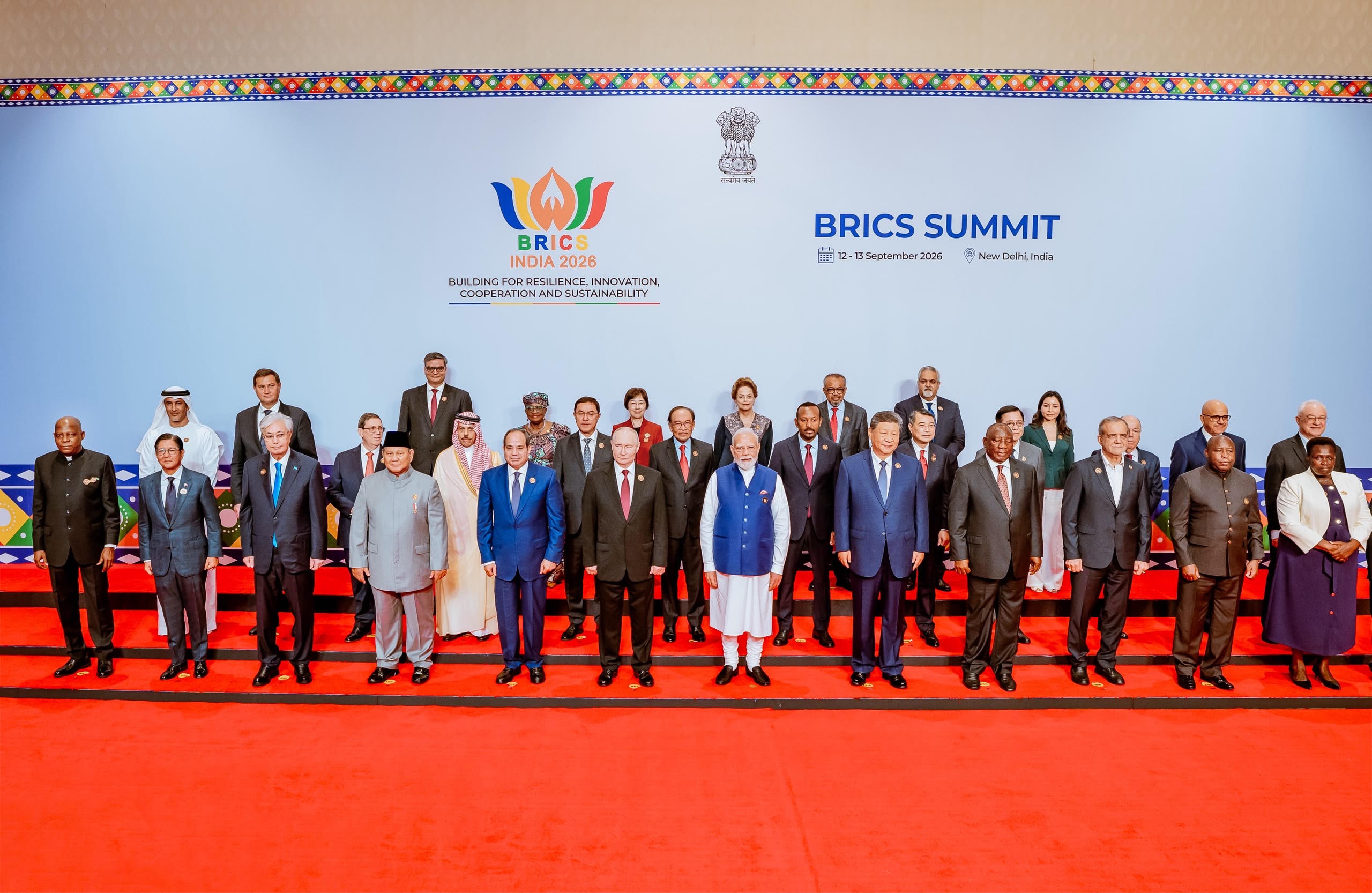
President Bola Tinubu has challenged BRICS nations to lead a fundamental restructuring of global governance and the international financial system, insisting that institutions shaping the world order must reflect contemporary economic and demographic realities.
Tinubu, who spoke at the 18th BRICS Leaders’ Summit in New Delhi, India, yesterday, also positioned Nigeria as a gateway to Africa’s expanding market under the African Continental Free Trade Area (AfCFTA).
The President, whose address was delivered by Vice President Kashim Shettima, said the transformation being championed by BRICS would remain incomplete without reform of major global institutions.
“Nigeria supports a more representative, equitable and responsive global governance architecture, including reform of the United Nations Security Council and the international financial system,” he said.
According to a statement by Senior Special Assistant to the President on Media and Communications, Office of the Vice President, Stanley Nkwocha, Tinubu said BRICS had become an important platform for amplifying the voice of the Global South and advancing a more inclusive international order.
“BRICS amplifies the voice of the Global South and advances a more inclusive international order, consistent with Nigeria’s call for institutions that reflect contemporary economic and demographic realities,” he said.
Tinubu urged the bloc to move beyond declarations and establish partnerships capable of producing measurable economic benefits, calling for a shift “from dialogue to delivery, from commitments to implementation, and from cooperation to measurable development outcomes.”
The President also made an investment pitch for Nigeria, urging BRICS countries and their businesses to see the country not merely as a national market but as a gateway to the wider African market created by AfCFTA.
He said Nigeria was pursuing economic resilience through reforms aimed at strengthening macroeconomic stability, diversifying production, increasing productivity, expanding infrastructure and human capital, attracting investment and promoting private sector-led growth.
“We welcome BRICS cooperation in trade, agriculture, food security, energy, infrastructure, manufacturing, healthcare and critical minerals, especially partnerships that advance technology transfer, local value addition, industrial capacity and employment,” Tinubu said.
Technology also featured prominently in the President’s address, with Tinubu warning developing countries against remaining permanent consumers of technologies developed elsewhere.
He sought deeper BRICS cooperation in artificial intelligence, digital public infrastructure, fintech, telecommunications, cybersecurity, biotechnology and advanced manufacturing.
“We welcome deeper BRICS cooperation in artificial intelligence, digital public infrastructure, fintech, telecommunications, cybersecurity, biotechnology and advanced manufacturing, because developing countries must produce technology, create knowledge and own intellectual property. A nation that owns no technology risks renting its future,” he said.
Tinubu said Nigeria was particularly well positioned to benefit from technology-driven partnerships because of its young population, citing digital skills, entrepreneurship, research, artificial intelligence and technology-enabled businesses among areas being promoted under initiatives including 3MTT, Project BRIDGE and national AI programmes.
He also sought greater cooperation in infrastructure, connectivity, energy, agriculture, healthcare, education and industrialisation, with emphasis on investments capable of creating jobs and strengthening domestic productive capacity.
On climate change, Tinubu called for affordable climate finance and technology transfer to African countries, arguing that climate action must be compatible with the development needs of emerging economies.
“Our partnerships must create jobs, expand trade, transfer technology, and strengthen our nations’ productive capacity,” he said.
Other News
“We must build a future in which Africa moves from the margins of global development to the frontiers of global growth and innovation.”
Earlier, Indian Prime Minister Narendra Modi said BRICS had gained greater confidence among countries of the Global South because their voices were being heard and their experiences respected.
Modi said the bloc’s strength lay in its diversity and cooperation, noting that its initiatives were increasingly extending beyond governments to entrepreneurs, farmers, researchers, women and young people.
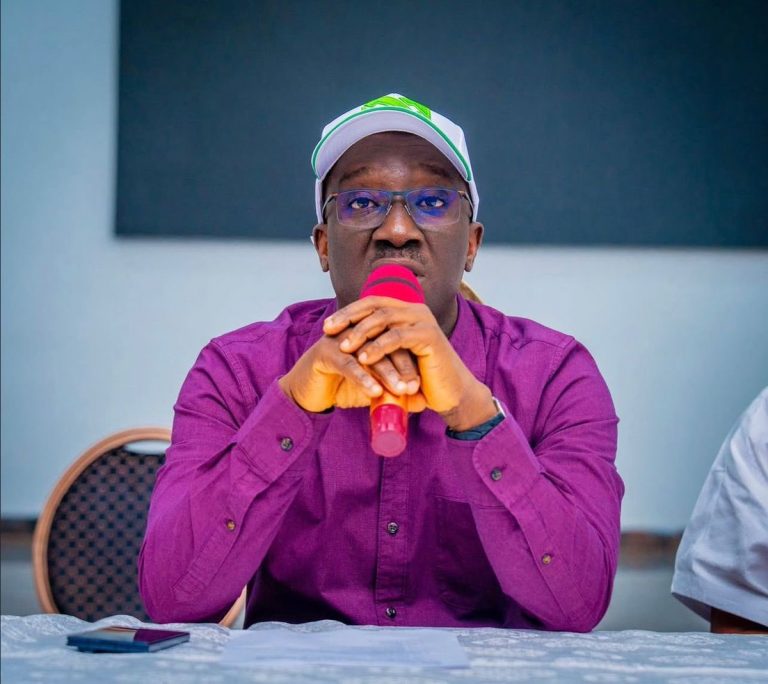
Meanwhile, Director-General of the Presidential Enabling Business Environment Council (PEBEC), Zahrah Audu, has said Tinubu has broken Nigeria’s long-standing “politics of postponement” by confronting structural economic problems successive administrations recognised but were unwilling to tackle.
Audu, who is also National Publicity Secretary of the City Boy Movement, said the President’s decision to undertake politically difficult reforms, particularly the removal of petrol subsidy, demonstrated a willingness to prioritise long-term national interests over immediate political comfort.
In an article titled, “President Bola Ahmed Tinubu Is Nigeria’s Greatest-Ever Leader,” she argued that the significance of Tinubu’s presidency should be assessed against the structural problems inherited by his administration and the institutional reforms being pursued to address them.
According to her, Nigeria had for decades operated what she described as a “political economy of postponement,” in which governments deferred difficult decisions because the political cost of reform was immediate while the consequences of inaction could be pushed into the future.
“President Tinubu disrupted that logic,” she said.
Audu cited petrol subsidy as an example of a problem successive governments understood but struggled to permanently resolve.
She acknowledged that its removal had brought “genuine hardship” to Nigerians but argued that the immediate pain should be weighed against the sustainability of the previous system.
“Leadership sometimes requires choosing not between difficulty and comfort, but between the difficulty of adjustment today and the greater danger of structural failure tomorrow,” she said.
Audu also argued that reforms to government processes could ultimately have a deeper impact on the economy than individual policy announcements, saying bureaucratic delays and unpredictable procedures imposed real costs on businesses and investors.
“A permit is economics, a customs procedure is economics, a company registration is economics, a commercial court is economics, the time required to obtain an approval is economics,” she said.
She linked the reforms to Tinubu’s ambition of building a $1 trillion economy by 2030, arguing that achieving the target required a government capable of facilitating investment, productivity and enterprise rather than frustrating them through bureaucratic inefficiency.
Audu, however, conceded that the reforms had not solved all the country’s problems and said the administration must remain subject to scrutiny.
“Giving President Tinubu his flowers does not mean suspending scrutiny,” she said, urging Nigerians to continue demanding improved living conditions, social amenities and infrastructure.
“President Tinubu’s work is unfinished. History’s final verdict cannot yet be written. But his place in Nigerian history is already impossible to ignore,” Audu said.