Follow Us on Google
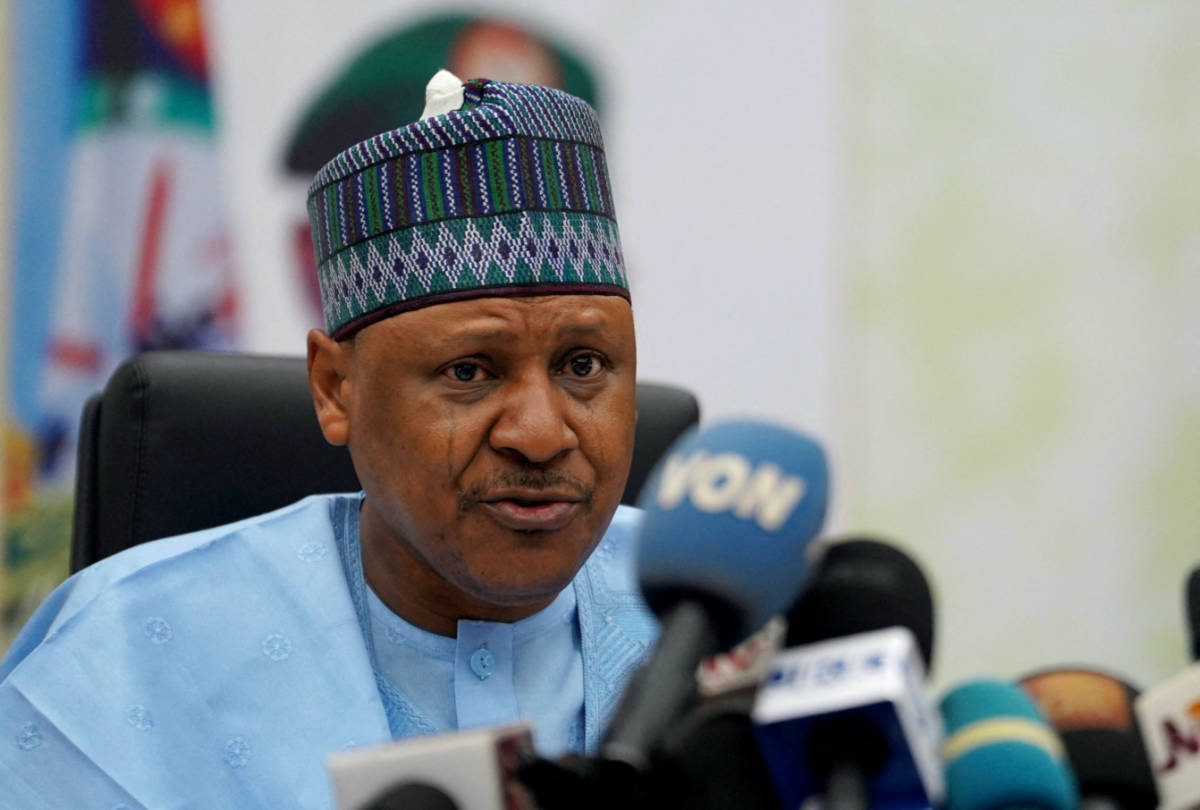
…Says all govt tiers now have more money
From John Adams Minna
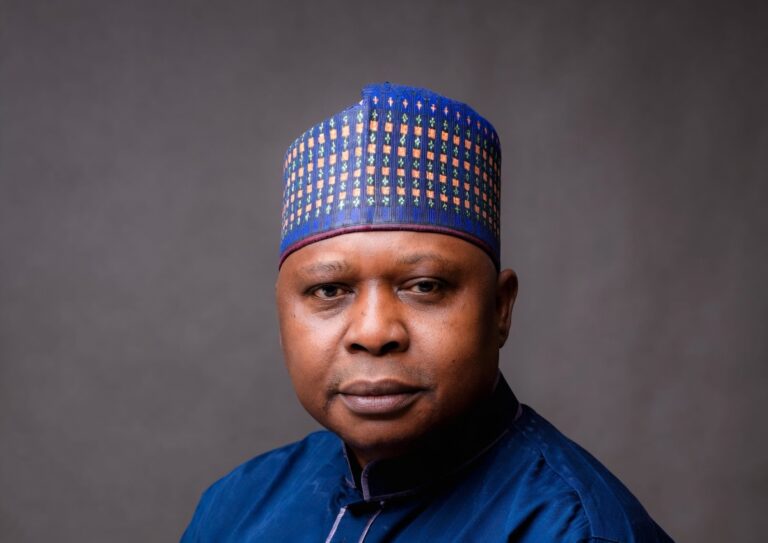
The Minister of Information and National Orientation, Mallam Mohammed Idris Malagi, has said that the ongoing reforms by the President Bola Ahmed Tinubu administration has made more money available to the three tiers of government for infrastructure transformation.
The Minister stated this in Minna yesterday when he delivered a convocation lecture at the Federal University of Technology (FUT) Minna, Niger State.
Speaking on the lecture title, “Youth and Nation Building: Navigating Opportunities in an Era of National Reforms,” the minister pointed out that the federal, state and local governments in Nigeria now get three times more than what they used to get from the federation account.
He made it clear that any governor or local government chairman that fails to take the advantage of these reforms to transform the state is doing so to the detriment of the people.
While justifying the President Tinubu reforms, the Minister maintained that there would be no nation building without meaningful reforms in all sectors of the economy.
He described the Tinubu reforms as some of the boldest and most ambitious reforms the country has experienced in decades, stressing that “these are not happening by accident, they are product of the deliberate vision and political will of a leader elected in 2023.”
He said further: “Nation-building is the deliberate act of forging a sense of belonging and cohesive identity among a people. It is much more than building physical infrastructure – it is about constructing a collective national mindset that blends trust, values, opportunity, and belonging, transforming geography into unity and community. It does not and cannot happen overnight. It takes time, patience, and commitment, and is passed from one generation to another”.
He disclosed that what the President Tinubu reforms are doing is creating massive waves of opportunity in every sector you can think of”, adding, “young Nigerians are emerging among the biggest beneficiaries of this new array of opportunities opening up in this era of national reforms.”
Malagi told the audience that in another 25 years, Nigeria would be the planet’s third most populous country, after India and China, and ahead of the United States. Our 400 million people at that time will include what has been projected to be the world’s second biggest population of people under 20.”
He, therefore, added that with the right education, skilling, and preparation for the rapidly transforming workspaces of the 21st century, Nigeria will be an unstoppable global force in the arts, sciences, technology, and innovation.
The most ambitious of these reforms, he said, is the removal of petrol subsidy, the unification of the foreign exchange rate, and the new tax laws, which took effect on January 1, 2026.
The minister, however, used the lecture to remind graduating students that their graduation marks the end a phase in the lives, and transition from the relatively sheltered environment of the university campus into the wider world beyond.
He told them that to make the future count, they must be deliberate about their next steps, and doing so, they must ask themselves important questions: “Who am I? What do I want out of life? What do I want to be known for? What value do I carry, and what value can I add — to an employer, to my community, to the world? And how can I improve that value.”
To succeed in life, he advised them master their time and attention, warning, “you cannot afford to be a slave to technology — which, if unchecked, can become the greatest thief of time and focus.”