Follow Us on Google

Prince Marcus Agubataofia, leader of Renewed Hope Grassroots Movement, Non-Indigenes, Lagos State Chapter, argues that Nigeria’s main economic problems come from what he describes as the low-hanging fruit programmes and policies of successive governments. In this interview, Agubataofia, who serves as vice president representing Enugu State in Ohanaeze Ndigbo, Lagos State Chapter, criticized previous leaderships for failing to steer the economy out of danger.
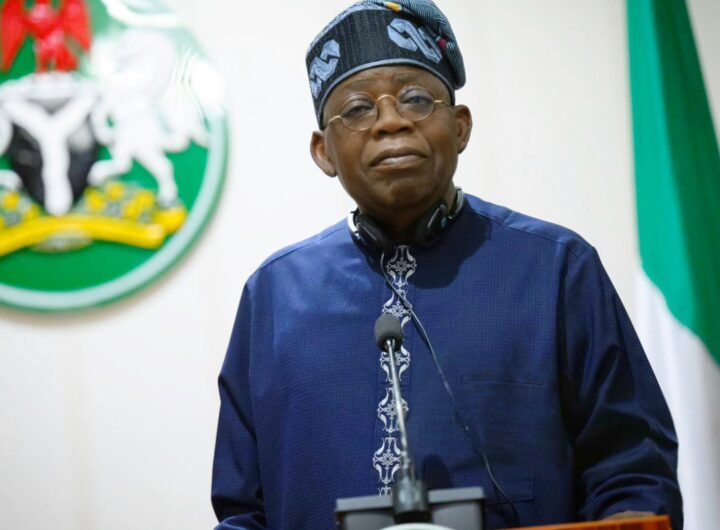
He said, for decades, Nigeria’s economic policies have been plagued by inefficiency, poor planning and weak leadership, which he said has contributed to the current state of economic hardship. However, Agubataofia believes that, despite the difficulties Nigerians face due to ongoing reforms, President Bola Tinubu’s policies are steering the country in the right direction.
Why Tinubu’s reforms appear harsh
When asked why President Tinubu’s reforms lack a human face, Agubataofia explained that Tinubu is not the first to introduce reforms. He said presidents from Olusegun Obasanjo to Muhammadu Buhari attempted reforms but shied away from the bold steps necessary for Nigeria to achieve economic independence, particularly in energy.
“What Nigerians are going through right now is like taking bitter medicine that would, in the end, heal the whole body. Rather than being vilified, President Tinubu should be commended for his courageous steps,” he said.
He traced Nigeria’s economic journey through various administrations: General Ibrahim Babangida’s Structural Adjustment Program in the 1980s, which removed price controls but increased inflation and poverty; General Sani Abacha’s centralized control in the 1990s that stifled growth; and President Obasanjo’s partial diversification efforts from 1999 to 2007. He said only under Tinubu’s administration has Nigeria aggressively moved to dismantle its corrupt subsidy system and fully liberalize the energy sector.
Nigeria needs an economic reset
Agubataofia defended the current hardships as a necessary reset. Nigeria’s dependence on oil exports and an artificially controlled currency created a fragile economy subject to boom-and-bust cycles. By heavily subsidizing fuel prices and propping up the naira’s value, the government delayed an inevitable collapse while allowing wealthy elites to exploit subsidies, draining billions through fuel importation fraud.
“The removal of fuel subsidies and floating the naira mark a difficult but necessary shift. These steps, though painful in the short term, set the country on a path toward long-term sustainability, ”he said.
He cited Egypt as an example, noting that after implementing similar reforms like subsidy removal and currency floating, Egypt initially experienced painful inflation but now attracts foreign direct investment and enjoys currency stability. Nigeria, he believes, is on a similar trajectory.
Impact on investment and the energy sector
On the energy sector, he said its complete deregulation positions the country as a major destination for foreign direct investment. “Previously, foreign companies hesitated to invest due to Nigeria’s unstable regulatory framework, inconsistent pricing, and government intervention. By allowing market forces to set prices and reducing interference, Nigeria signals to the global market that it is open for business,” he said.
Agubataofia predicts that Tinubu’s reforms will stimulate growth in oil refining, renewable energy projects, and natural gas production, increasing energy availability for domestic consumption while boosting export capacity and improving the naira’s stability.
He then compared Nigeria’s situation to Germany’s post-World War I hyperinflation in the 1920s. Germany had to undertake painful economic reforms to stabilize its economy, including controlling inflation and implementing fiscal discipline. He said Tinubu’s administration faces the challenge of reversing damage from previous economic mismanagement through difficult choices like curbing fuel subsidies and allowing market forces to stabilize the economy.
Economic outlook
Agubataofia expressed optimism about Nigeria’s future if these reforms take full effect. He said a more stable currency, increased foreign investment, and eventual fuel price stabilization will contribute to economic recovery benefiting the entire country. Once these are stabilised, he said Nigerians will see increased purchasing power, food sufficiency through local production, and improved balance of trade.
“By 2027, if the current trajectory holds, Nigeria could experience a more stable economy with a strengthened naira, balanced trade surplus, and improved living standards,” he predicted.
He acknowledged that the journey to energy independence and economic stability is not without challenges but assured Nigerians that President Tinubu’s policies are steering Nigeria in the right direction. “By addressing root causes of economic problems and laying groundwork for a more competitive, market-driven economy, Nigeria will emerge stronger and more resilient. The pains Nigerians are feeling now are indeed too much to bear, but they are necessary sacrifices for a future of sustainable growth and prosperity. Any president taking over after Buhari would have had to take similar steps to prevent economic collapse. The alternatives which are continued subsidies, an overvalued naira, and an unstable energy sector are simply not sustainable,” he said.