Follow Us on Google
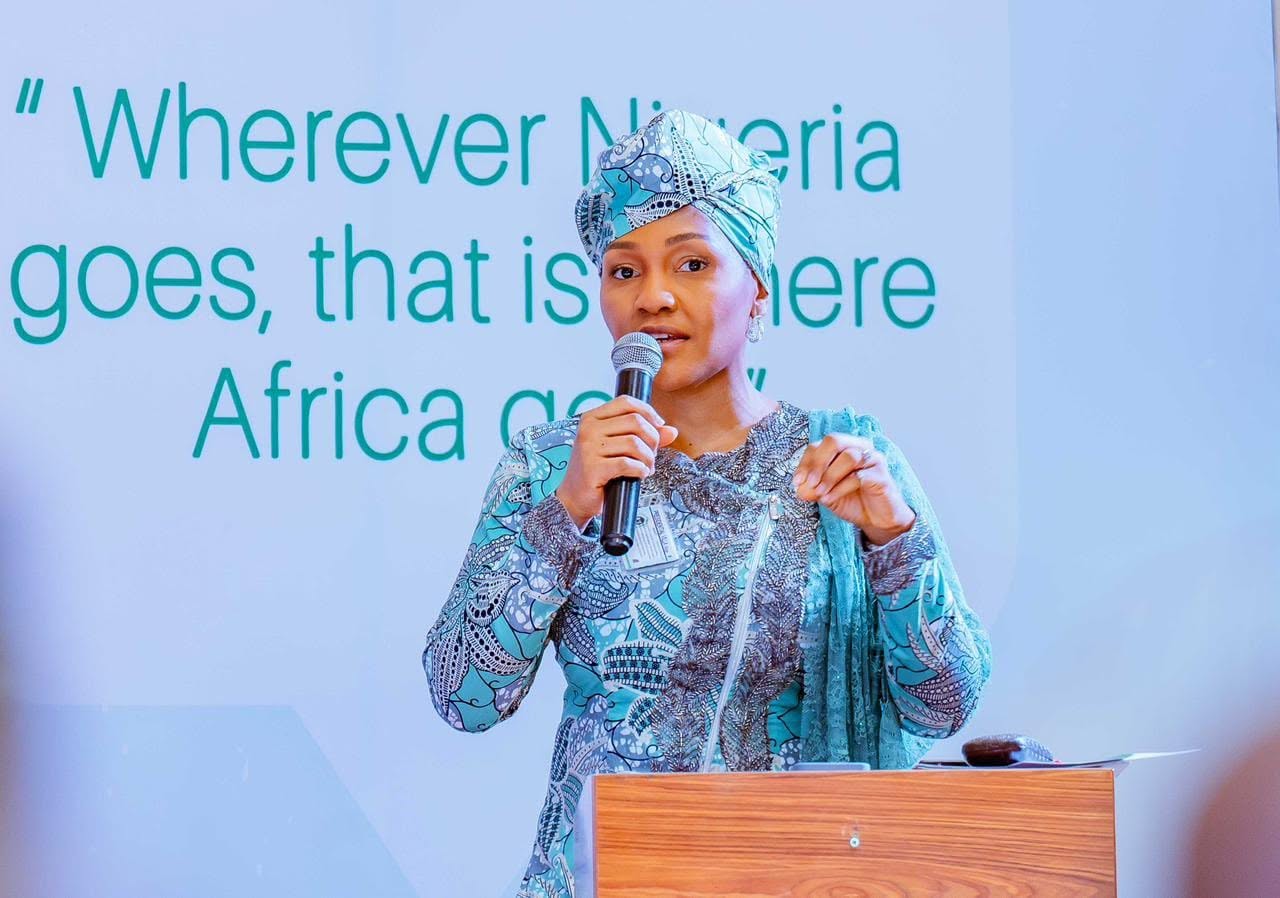
President Bola Tinubu has broken Nigeria’s long-standing “politics of postponement” by confronting structural economic problems successive administrations recognised but were unwilling to tackle, Director-General of the Presidential Enabling Business Environment Council (PEBEC), Zahrah Audu, has said.
Audu, who is also the National Publicity Secretary of the City Boy Movement, said the President’s decision to undertake politically difficult reforms, particularly the removal of petrol subsidy, demonstrated a willingness to prioritise long-term national interests over immediate political comfort.
In an article titled “President Bola Ahmed Tinubu Is Nigeria’s Greatest-Ever Leader”, Audu argued that the significance of Tinubu’s presidency should be assessed against the structural problems inherited by his administration and the institutional reforms being pursued to address them.
She said Nigeria had for decades operated what she described as a “political economy of postponement”, in which governments deferred difficult decisions because the political cost of reform was immediate, while the consequences of inaction could be pushed into the future.
“President Tinubu disrupted that logic,” she declared.
According to Audu, the petrol subsidy was a prime example of a problem successive governments understood but struggled to permanently resolve.
She acknowledged that its removal had brought “genuine hardship” to Nigerians, but argued that the immediate pain should be weighed against the sustainability of the old system.
“Leadership sometimes requires choosing not between difficulty and comfort, but between the difficulty of adjustment today and the greater danger of structural failure tomorrow,” she said.
Audu also argued that the administration’s less-publicised reforms to government processes could ultimately have a deeper impact on the economy than individual policy announcements.
She said the efficiency of the state was fundamental to economic competitiveness, stressing that bureaucratic delays and unpredictable government procedures imposed real costs on businesses and investors.
“A permit is economics, a customs procedure is economics, a company registration is economics, a commercial court is economics, the time required to obtain an approval is economics,” she said.
Other News
She said the work of PEBEC was therefore not merely about making government procedures more convenient but about reducing the institutional barriers confronting businesses and creating conditions for legitimate enterprise to thrive.
Audu linked the reforms to Tinubu’s ambition of building a $1 trillion economy by 2030, arguing that such an ambition required a government capable of facilitating investment, productivity and enterprise rather than frustrating them through bureaucratic inefficiency.
The PEBEC boss said Tinubu’s approach was rooted in an understanding that “government must possess the capacity to govern”, an idea she said was evident in his experience as governor of Lagos State between 1999 and 2007.
She maintained that the President’s political record should not be measured only from his inauguration in 2023, pointing to his earlier roles as senator, pro-democracy figure, exile, Lagos governor, opposition organiser and coalition builder.
“Many politicians possess power while occupying office. Far fewer demonstrate the capacity to organise people, institutions and coalitions when the formal machinery of the state is no longer theirs to command,” she said.
Audu said this political trajectory, combined with Tinubu’s economic reforms, made his leadership distinct from what she described as the traditional Nigerian tendency to preserve existing arrangements until they become unsustainable.
She, however, admitted that the reforms had not solved all the country’s problems and that Tinubu’s administration remained subject to scrutiny.
“Giving President Tinubu his flowers does not mean suspending scrutiny,” she said, urging Nigerians to continue demanding improved living conditions, social amenities and infrastructure.
She nevertheless argued that the President should be judged by the institutions and systems his administration leaves behind rather than solely by the immediate discomfort associated with reform.
“President Tinubu’s work is unfinished. History’s final verdict cannot yet be written. But his place in Nigerian history is already impossible to ignore,” Audu said.
She concluded that posterity would likely judge Tinubu favourably because of his willingness to confront problems that previous governments postponed and his efforts to build institutions capable of supporting a more productive Nigerian economy.