Follow Us on Google
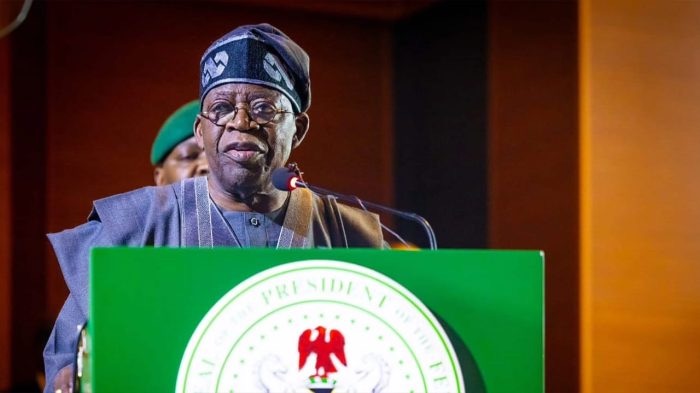
President Bola Tinubu has forwarded an executive bill to the Senate seeking to reform the administration and governance of senior secondary education in Nigeria.
The proposed legislation, titled the National Senior Secondary Education Commission (Amendment) Bill, 2026, was transmitted to the Senate in a letter read at plenary by the President of the Senate, Godswill Akpabio.
In the letter, President Tinubu said the amendment bill was aimed at strengthening the administration of public senior secondary education across the country.
He explained that the Federal Executive Council (FEC) approved the proposed legislation at its meeting on April 30, 2026, after which it was vetted and finalised by the Federal Ministry of Justice in line with constitutional and legislative drafting requirements.
“The Federal Executive Council approved the amendment of the Bill at its sitting on Thursday, 30 April, 2026. The Federal Ministry of Justice subsequently vetted and finalised the bill in line with drafting standards and constitutional provisions.
“In consequence of the above, and the desire of this administration to strengthen educational institutions in the national interest, the National Senior Secondary Education Commission Amendment Bill, 2026 is forwarded for legislative action by the National Assembly,” the President stated.
After the letter was read, Akpabio referred the bill to the Senate Committee on Rules and Business for legislative processing, directing it to report back within one week.
Other News
The transmission of the bill comes amid ongoing public discussions over the Federal Government’s proposed reforms to Nigeria’s secondary education system.
Earlier this week, the Minister of Education, Tunji Alausa, disclosed plans by the Federal Government to restructure secondary education as part of efforts to reduce the number of out-of-school children and improve access to uninterrupted basic education.
According to the minister, the current transition from primary school to junior secondary school and from junior to senior secondary school has contributed to high dropout rates, with millions of children failing to complete their education.
Nigeria currently operates the 6-3-3-4 education system, comprising six years of primary education, three years of junior secondary school, three years of senior secondary school, and four years of tertiary education.
Education experts have, however, continued to express concerns over the challenges associated with the transition between the different levels of schooling, citing poverty, insecurity, inadequate infrastructure and the cost of education as major factors driving school dropouts.
The proposed amendment is expected to provide a stronger legal framework for the administration of senior secondary education as part of the federal government’s broader education reform agenda.