Follow Us on Google
From Juliana Taiwo-Obalonye, Abuja
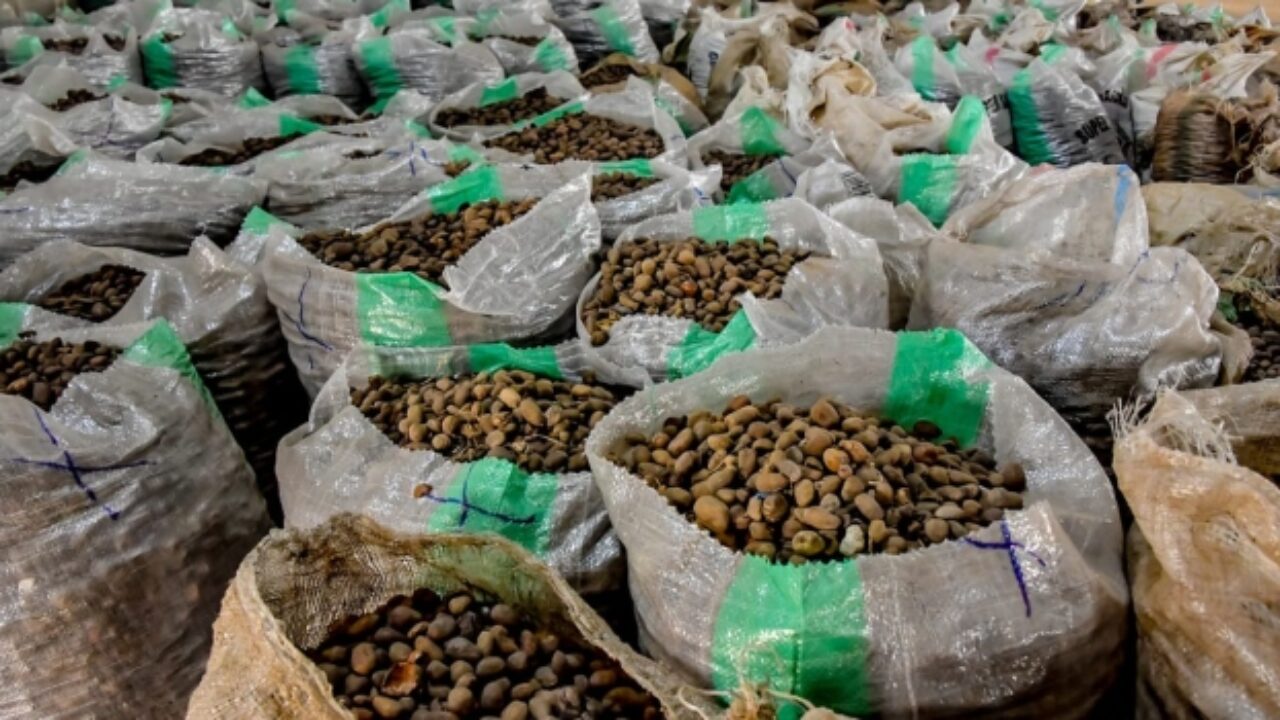
President Bola Tinubu has approved a one-year extension of the ban on raw shea nut exports, effective from February 26, 2026, to February 25, 2027, aiming to ramp up domestic processing and elevate Nigeria’s position in global value chains.
The move is to reinforce the administration’s Renewed Hope Agenda by prioritising industrial growth, community livelihood and exports of higher-value products like shea butter, which can fetch 10 to 20 times the price of raw nuts.
In a statement issued by Special Adviser on Information and Strategy, Bayo Onanuga, the Presidency noted that “shea nuts, the oil-rich fruits from the shea tree common in the Savanna belt of Nigeria, are the raw material for shea butter, renowned for its moisturising, anti-inflammatory and antioxidant properties. The extracted butter is a principal ingredient in cosmetics for skin and hair, as well as in edible cooking oil.”
Other News
To drive implementation, President Tinubu has tasked the two ministers of the Federal Ministry of Industry, Trade and Investment, alongside the Presidential Food Security Coordination Unit (PFSCU), with developing a unified national framework for the shea nut value chain.
Key directives include adopting the Nigerian Commodity Exchange (NCX) export framework, scrapping all waivers for direct raw exports and channelling any excess supply through NCX guidelines. The president also ordered the Federal Ministry of Finance to open a NESS Support Window for piloting a Livelihood Finance Mechanism to bolster production and processing.
“The ban aims to deepen processing capacity within Nigeria, enhance livelihoods in shea-producing communities, and promote the growth of Nigerian exports anchored on value-added products,” the statement emphasised.
The federal government stressed its ongoing commitment to “policies that promote inclusive growth, local manufacturing, and position Nigeria as a competitive participant in global agricultural value chains.”