Follow Us on Google
“Without strong watchdog institutions, impunity becomes the foundation of corrupt systems.”
—Rigoberta Menchú
By Omoniyi Salaudeen
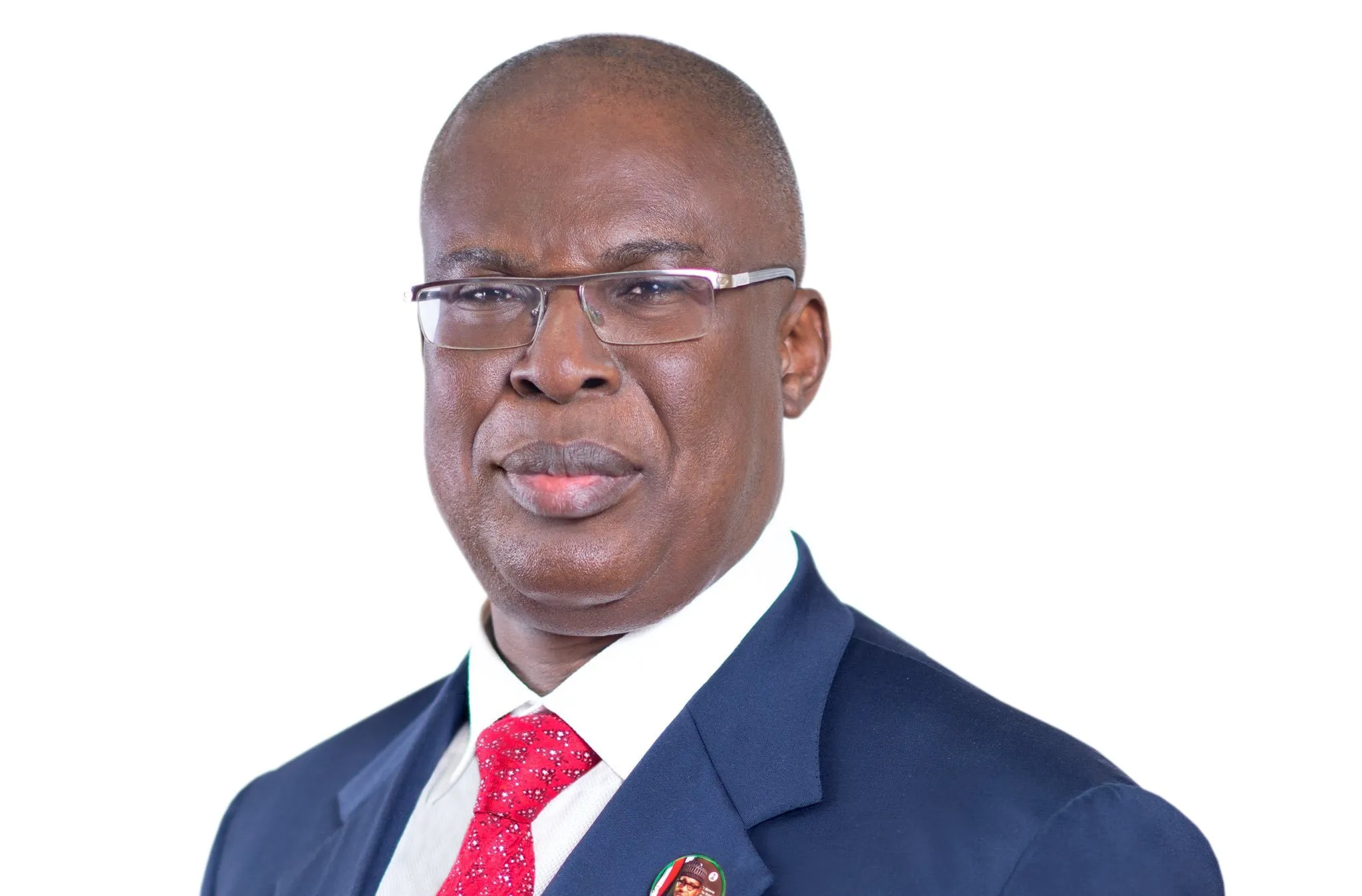
Former Minister of State for Petroleum Resources and Ex-Governor of Bayelsa State, Timipre Sylva, is in the eye of the storm. How time changes! His perceived shift in political fortunes reads like dramatic irony. Unlike the immediate past dispensation, today’s political tide—both in his native Bayelsa State and nationally—poses a steep challenge to his continued relevance. Lately, he has been in the news for sundry issues, notably allegations of coup plotting and financial impropriety. On Monday, November 10, 2025, the Economic and Financial Crimes Commission (EFCC) publicly declared him wanted over alleged case of conspiracy and dishonest conversion of funds amounting to approximately $14.8 million. The funds were reportedly part of an investment made by the Nigerian Content Development and Monitoring Board (NCDMB) into Atlantic International Refinery and Petrochemical Limited for the construction of a refinery project. The anti-graft agency stated that the declaration followed a warrant of arrest issued by the Federal High Court in Lagos on November 6, 2025.
Before then, Sylva had been previously linked to an alleged foiled coup plot against President Bola Tinubu’s administration. Reports indicated that military operatives raided his Abuja residence in October in connection with this investigation, during which his younger brother and driver were reportedly arrested.
In response to the accusations, Sylva and his media aide have vehemently denied any involvement in the coup plot, calling the reports politically motivated. His Special Assistant on Media and Public Affairs, Julius Bokoru, described the allegations as a “calculated and coordinated political onslaught” and a continuation of political persecution aimed at tarnishing his boss’ image and diminishing his political relevance. He issued the strong statement in response to the EFCC’s wanted declaration, dismissing the financial impropriety allegations as baseless and unwarranted. He argued that the refinery project in question “is legitimate and verifiable.”
The media team further condemned the EFCC’s action as “unprocedural and theatrical,” saying that no formal communication or invitation was extended to him before the public notice was posted on social media platforms, calling it a “sudden digital proclamation” designed to inflame public sentiment. The aide noted the curious evolution of the matter, stating it “mysteriously evolved” from being whispered in corridors as a “coup-related investigation into a financial allegation. Bokoru has, however, confirmed that Sylva is currently in the United Kingdom (UK) for a routine medical check-up and professional engagements.
This is a curious coincidence. The excuse of medical condition and rhetoric of political witch-hunt defence is a recurring theme in the discourse surrounding corruption and financial crime investigation in Nigeria. It has become a common, almost standard, response by the political elite when facing corruption allegations from anti-graft agencies like the EFCC. The frequent invocation of political witch-hunt is fuelled by the public perception—and sometimes proven reality—that anti-corruption drives can be selective and politicized.
Other News
Sometimes, sympathisers of this sentiment are often too quick to label anti-graft agencies as a tool by the ruling party to intimidate, silence, or remove political opponents. This public cynicism often follows a notable pattern leading to the apparent cessation or softening of corruption charges against politicians who defect from the opposition to the ruling party, reinforcing the idea that the prosecution is politically motivated rather than purely justice-driven.
The trend constitutes a dangerous precedent. When high-profile individuals consistently claim witch-hunt, it has a damaging effect on the entire process, leading to erosion of public trust. It creates a climate of doubt, making it difficult for the public to determine whether an investigation is a genuine pursuit of justice or a partisan attack. This erodes faith in institutions like the EFCC and the judiciary. Often times, the focus shifts from the substance of the financial allegations to the perceived motives of the investigators, allowing the accused to play the victim card. In most cases, the truth lies in a complicated intersection of genuine financial crimes and political opportunism. The fact that a case is politically expedient does not necessarily mean the financial allegations are false. Many accused persons have legitimate, well-documented cases to answer.
But sometimes, the timing and aggressive nature of the prosecution coincide with political events like elections, primary contests, or a shift in political alliance, which lends credence to the witch-hunt claim, even if the underlying allegations are true.
In the case of Sylva, his representative explicitly framing the EFCC declaration as a calculated and coordinated political onslaught fits perfectly into this established pattern of elite response, particularly given the preceding reports linking him to an alleged coup plot.
Constitutionally, every person accused of a crime has the fundamental right to a fair hearing and to present a defence within the legal framework. The legal forum, not the media, is the proper place to clear one’s name. To come out clean, Sylva should rather avail himself the opportunity of defence as provided in the Constitution. By appearing before the EFCC and subsequently in court, he would shift the focus back to the evidence and away from the politics surrounding the accusation. It would allow him to directly challenge the EFCC’s claims with his own documentation and evidence regarding the refinery project investment. His decision to remain outside the country, citing a medical condition just as a wanted declaration is issued, invariably creates a public perception of evasion or guilt, regardless of the legitimacy of the medical trip. It undermines the credibility of the political witch-hunt defence. It presents credibility challenge, leaving too many questions unanswered. In the first place, the excuse of routine medical check-up in the UK is tantamount to fleeing justice, as it coincides too neatly with the EFCC declaration. Also, the declaration of the allegations as a political witch-hunt is spurious, flimsy and unsubstantiated. It doesn’t add up. It’s like hiding behind a needle. Why run if the case against him is baseless?
The most effective way for any accused public official to refute the witch-hunt claim is to actively participate in the legal process. His return to Nigeria and prompt appearance before the EFCC would be the strongest possible move to regain credibility and start the process of clearing his name legally. The right to defence is fundamental, but exercising that right requires an accused person to submit to the jurisdiction of the court and the processes of the investigating agency.
As it stands, the EFCC’s declaration is not arbitrary; it is based on a Warrant of Arrest issued by a Federal High Court in Lagos on November 6, 2025, by Justice D.I. Dipeolu. The court order specifically authorises the EFCC, police, or any law enforcement officer to arrest him for the purpose of bringing him before the Commission to answer to the criminal offence he is alleged to have committed.
Ordinarily, things would not have degenerated to this embarrassing level had Sylva maintained full cooperation with the anti-graft body to clear his name of any wrong accusation. He, however, forfeited the opportunity of self-exoneration, compelling the anti-graft body to resort to coercive measures. While the onus of proof of guilt ultimately lies on the prosecution, his flight from the jurisdiction nevertheless undermines his credibility; fleeing justice is certainly not the best option in this circumstance.