Follow Us on Google
By Lawrence Agbo
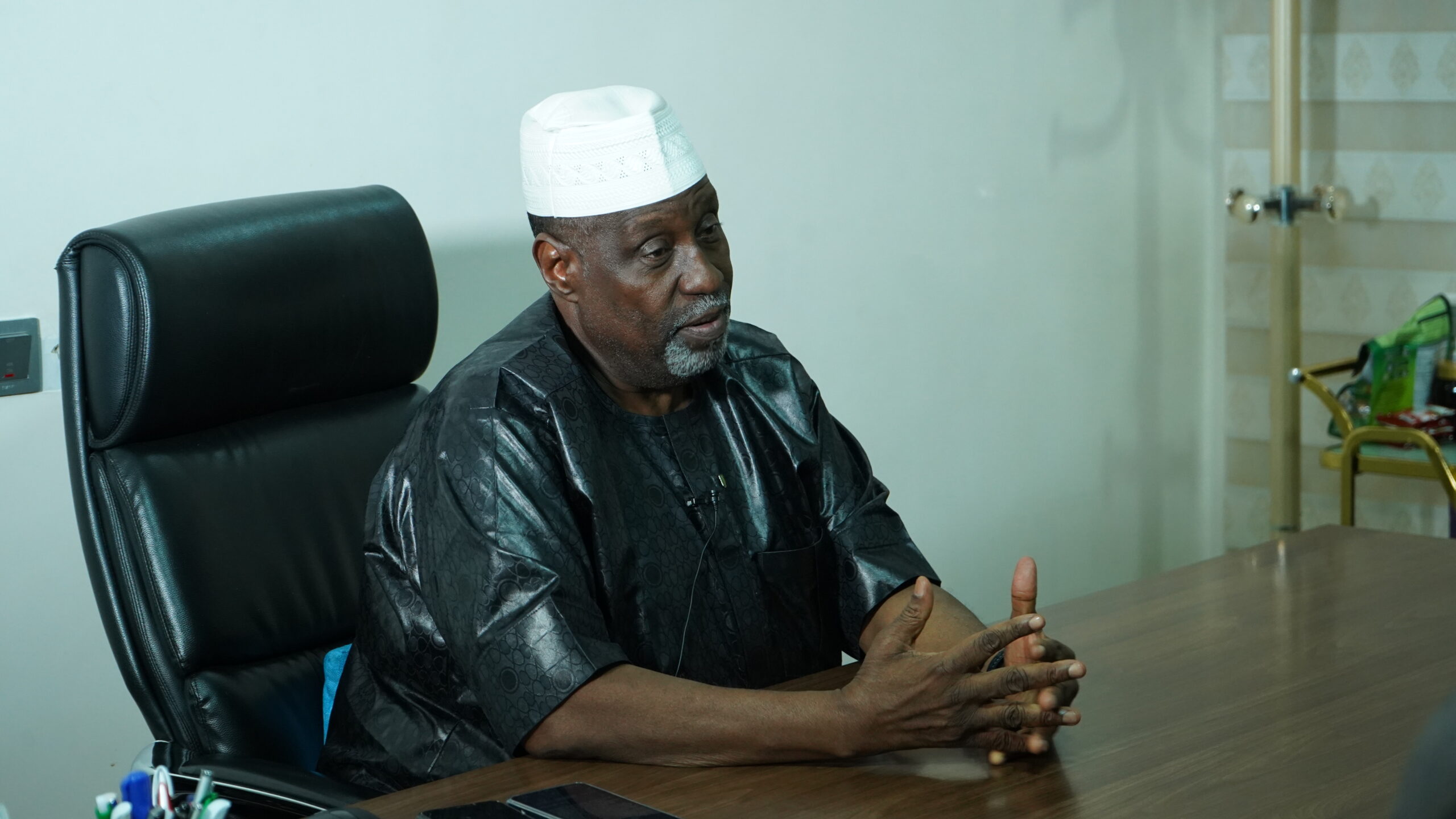
A chieftain of the All Progressives Congress (APC) and former Minority Leader of the House of Representatives, Farouk Aliyu, has urged Nigerians to refrain from passing final judgment on President Bola Tinubu’s economic reforms, insisting that meaningful results require more time to materialise.
Aliyu, who spoke in an interview with ARISE NEWS on Friday, acknowledged the hardship faced by citizens following key policy decisions such as fuel subsidy removal and foreign exchange reforms. However, he maintained that the measures were unavoidable and aimed at preventing deeper structural collapse in the economy.
He admitted that the reforms have imposed short-term pain on households and businesses, but argued that the administration had been transparent in recognising the difficulties Nigerians are experiencing.
According to him, expectations of immediate turnaround are unrealistic, stressing that three years is insufficient to fully evaluate the direction and impact of such sweeping economic changes.
“So, we still appeal to Nigerians to give us time. Three years is too small for us to have a total impact from the programs we are running,” he said.
Aliyu also situated Nigeria’s economic challenges within a broader global context, pointing to inflationary pressures, geopolitical conflicts, and supply chain disruptions affecting many countries simultaneously.
He argued that Nigeria’s situation cannot be assessed in isolation, as global instability continues to influence domestic economic performance.
“Nigeria is not an island. The problems are pervasive worldwide. These challenges are not just restricted to Nigeria; they are all over the world,” he said.
Other News
Despite acknowledging current hardships, Aliyu highlighted several policy interventions under the Tinubu administration, including the student loan scheme, expanded health insurance coverage, and ongoing infrastructure projects across the country.
He described the student loan initiative as a landmark reform designed to improve access to education for young Nigerians, while noting that infrastructure development is progressing nationwide.
On security, the APC stalwart conceded that the country continues to face threats from banditry and kidnapping, but insisted that the situation has not spiralled out of government control.
He said security agencies are actively engaged in operations—some of which cannot be publicly disclosed—while the administration works to strengthen the country’s security architecture.
“It’s true there is insecurity, but is it too bad? No. It is bad, but it’s not ‘too bad.’ It is not so bad that you could say the government has lost control of the country,” he stated.
Aliyu also expressed cautious optimism about reforms in the power sector, saying efforts to reduce corruption and stabilise electricity transmission would gradually yield improvements in supply.
On public finance, he defended the government’s borrowing strategy, describing it as necessary to bridge revenue gaps and fund critical infrastructure projects until new fiscal reforms begin to fully generate expected returns.
He further pointed to recent international engagements by President Tinubu, including reported foreign investments in Nigeria’s marine and port infrastructure, as evidence that the administration’s economic diplomacy is beginning to attract capital inflows.
Aliyu maintained that while the reforms are still unfolding, their long-term impact would justify the temporary discomfort currently being experienced by Nigerians.