Follow Us on Google
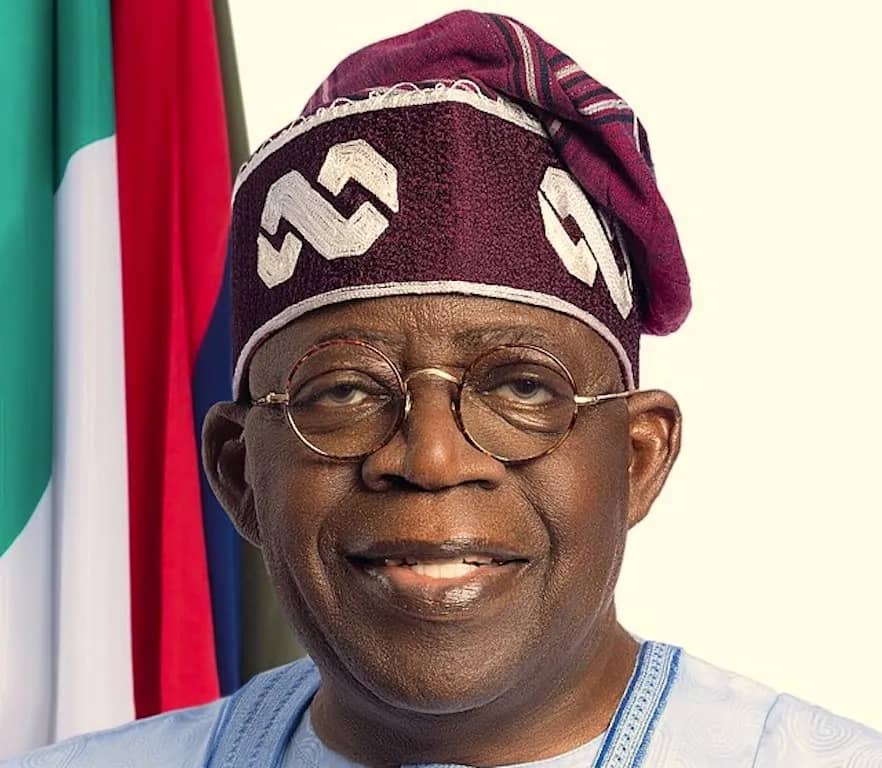
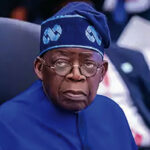
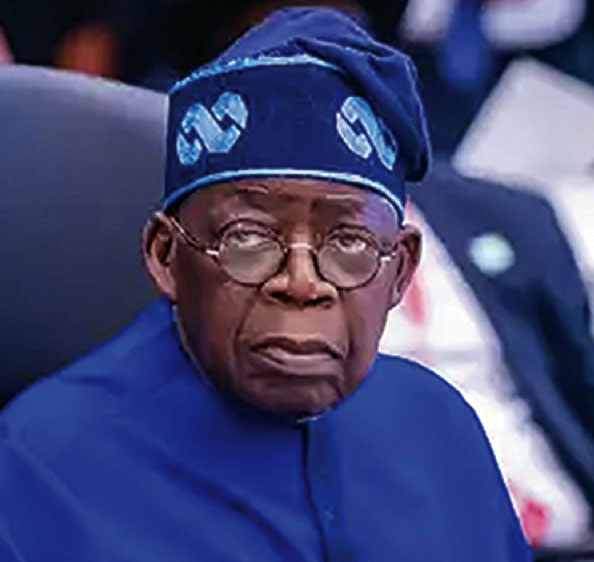
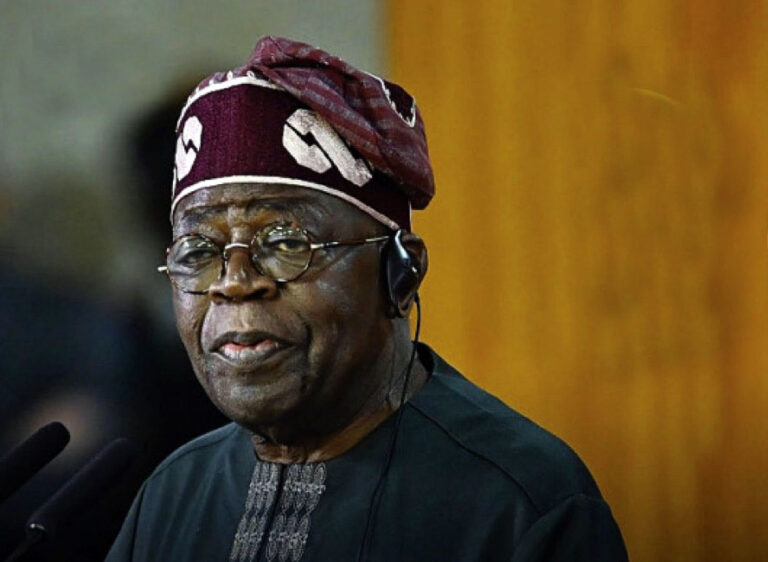
In marking his three years in office on May 29, 2026, President Bola Tinubu lauded his administration for embarking on economic reforms that necessitated taking bold decisions. Some of these decisions with painful consequences include the removal of fuel subsidy, unification of the exchange rates and floating of the naira.
He claimed that his administration had advanced at unprecedented scale on critical infrastructure projects, such as construction, reconstruction or rehabilitation of over 2,700 kilometres of highways and major roads across the country as well as modernisation of railways. The roads include the Lagos-Calabar Coastal Highway, the Sokoto-Badagry Super Highway, the East-West Road, and the Abuja-Kaduna-Zaria-Kano Road.
Our economy, the President added, “is now more competitive and better positioned for sustainable growth than it was in 2023. Public finances are improving. States and local governments have greater resources to invest in their people. Investor confidence is growing.” He said companies were declaring record profits and dividends.
Besides, the Renewed Hope Housing Programme, along with that of the Federal Housing Authority, is said to be delivering over 10,000 housing units across 14 states and the Federal Capital Territory (FCT). It is also creating over 300,000 jobs and expanding access to affordable housing.
On agriculture, Tinubu said millions of farmers had been supported through improved seedlings, fertilizers, mechanisation, irrigation and expanding access to finance and markets. Unfortunately, this has not translated into affordable food. Insecurity has driven away many farmers from the farms. This has resulted in high cost of food items.
Tinubu is right that the power sector suffered from debt, underinvestment and uncertainty for years. But it is surprising that he said his administration was confronting those challenges directly, including clearing legacy obligations, expanding transmission infrastructure and strengthening the national grid.
On the contrary, many Nigerians have found electricity supply very erratic and unreliable. Some communities go without public power supply for months. The national grid has frequently collapsed, prompting many manufacturing companies to install their own alternative power supply.
It is also surprising that thousands of primary healthcare centres are reportedly being revitalised and that health insurance coverage is expanding for vulnerable Nigerians. Ironically, many public hospitals still lack enough personnel and the basic equipment for effective treatment. Nigeria has one of the highest maternal and child deaths in the world. Over 20,811 maternal and child deaths occurred in the country between January and September 2025.
Other News
On education, the President said the Nigerian Education Loan Fund (NELFUND) had provided over 1.5 million students with access to higher education, disbursing more than N282 billion to ensure that no willing student was denied access to education due to financial hardship. Though this is commendable, the administration should endeavour to allocate more funds to education because it is one of the most critical sectors in any country.
Despite the perceived achievements of the administration, many Nigerians believe that it has not met the expectations of the people. Its economic policies have further impoverished the masses. More money may have been made available to the state governors, but it has not led to better life for the people. Though government is constructing some new roads, many existing federal roads are in a state of total disrepair.
The country’s poverty rate is over 60 per cent, as over 133 million Nigerians live in multidimensional poverty. Inflation rate rose to 15.69 per cent in April 2026. This is the highest since November 2025. In March 2026, it was 15.38 per cent. Minimum wage remains N70,000 a month despite the astronomical rise in the cost of living.
In spite of the government’s resolve to end insecurity, it is escalating significantly. No one is safe. No place is sacrosanct. Soldiers, including army generals and other senior military officers, have been killed. Innocent schoolchildren are not spared. Since May 15, 2026, some 42 kids have been in captivity in an unknown forest in Borno State. About 39 children and seven teachers were also kidnapped from three schools in Oriire Local Government Area of Oyo State. They too are still in captivity. From its eighth and sixth position in the 2024 and 2025 Global Terrorism Index, respectively, the country’s performance declined to fourth position in 2026.
Yet, Tinubu claimed that “many communities and highways are becoming safer and more economically active,” and that his administration is “reclaiming the authority of the Nigerian state wherever criminality threatens peace and order.”
President Tinubu called for sacrifice, resilience, courage and collective purpose on the part of Nigerians in order to move the country forward. Incidentally, Nigerians have sacrificed enough. But government officials have taken that for granted. They waste a lot of resources on frivolities while leaving many essential things unattended to. This is amid huge borrowing, which has left Nigeria’s total public debt at a staggering N159.28 trillion. There are plans to borrow more.
We urge the administration to use the remaining one year to attend to the needs of the masses. The rising insecurity must be stopped. The kidnapping of schoolchildren and teachers for ransom must stop. Workers in the country deserve a living wage. The government should prioritise the security and welfare of all Nigerians and also fulfill its campaign promises.