Follow Us on Google
From Scholastica Hir, Makurdi
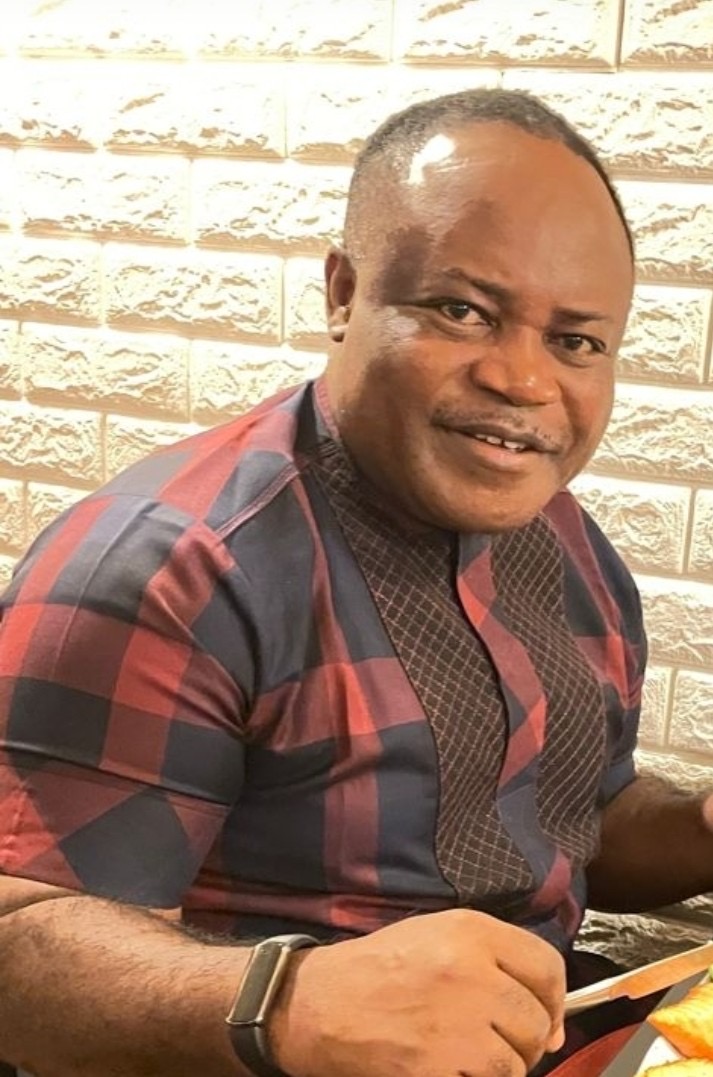
A Benue-born financial sector expert, Ortamen Manz Denga, has said President Bola Tinubu’s economic reforms may have helped Nigeria avoid fiscal collapse, but that many Nigerians are yet to feel genuine economic recovery in their daily lives.
In his statement titled “Tinubu at Three: Between Reform, Reality and the Restless Nigerian Street,” Denga described the President’s third anniversary address as one of the most structured and economically informed speeches delivered by a Nigerian leader in recent years.
According to him, it was not just a political speech but one that attempted to construct a governing philosophy while defending what he called one of the most difficult and painful economic transitions in Nigeria’s democratic history.
Denga noted that the President’s central argument was that Nigeria in 2023 stood dangerously close to fiscal and structural collapse, making painful reforms unavoidable.
He acknowledged that the fuel subsidy regime had become unsustainable, while distortions in the foreign exchange market encouraged speculation instead of productive economic activities.
He further stated that rising debt obligations, weak public revenues and declining investor confidence made economic reforms necessary, stressing that few serious economists dispute the need for restructuring the economy.
However, the financial expert questioned the manner in which the reforms were implemented, insisting that the real concern was whether the policies were properly sequenced and socially protected.
According to him, while the administration highlighted achievements such as stock market growth, infrastructure development, rail modernization, telecom sector recovery and investments in energy and agriculture, ordinary Nigerians judge the economy differently.
He said “Citizens do not experience the economy through stock market indicators. They experience it through food prices, transport fares, school fees, electricity bills, rent and the shrinking value of their income.”
Denga argued that the government’s communication focused heavily on macroeconomic stabilization, whereas citizens continue to battle severe microeconomic hardship.
Other News
He maintained that although President Tinubu acknowledged the sacrifices Nigerians were making, the speech appeared more technocratic than empathetic to the emotional and psychological burden facing many households.
The expert also faulted the sequencing of some policies, saying the removal of fuel subsidy without adequate transportation alternatives, wage adjustments or strong social protection measures worsened inflationary pressures.
According to him, “They experience it through food prices, transport fares, electricity bills, school fees, rent, medication costs, and the rapidly shrinking purchasing power of their income.
“The average citizen is not asking whether investor sentiment has improved. The citizen is asking why a salary that sustained a family in 2023 now struggles to survive two weeks in 2026.”
He added that exchange-rate liberalization before significant industrial growth and export diversification deepened imported inflation and weakened household purchasing power.
Despite the arguments, Denga admitted that the administration could point to visible infrastructure projects across the country, including roads, housing developments, rail expansion and investments in the energy sector but noted however, that infrastructure projects alone cannot replace welfare stabilization, especially as many Nigerians still struggle with affordability despite government claims that food prices are easing.
Denga also expressed concern over the country’s security situation, saying many citizens living in conflict-prone communities may find it difficult to align official optimism with persistent cases of kidnappings, banditry and communal violence.
He said the President appeared increasingly concerned with how history would judge his administration, portraying himself as a leader willing to make difficult decisions that previous governments avoided.
According to him, democratic legitimacy ultimately depends not only on economic theories and reforms but on the lived experiences of citizens.
Denga said “For now, the President has successfully argued that Nigeria may have avoided collapse. He has not yet fully convinced many Nigerians that they are genuinely recovering.”