Follow Us on Google
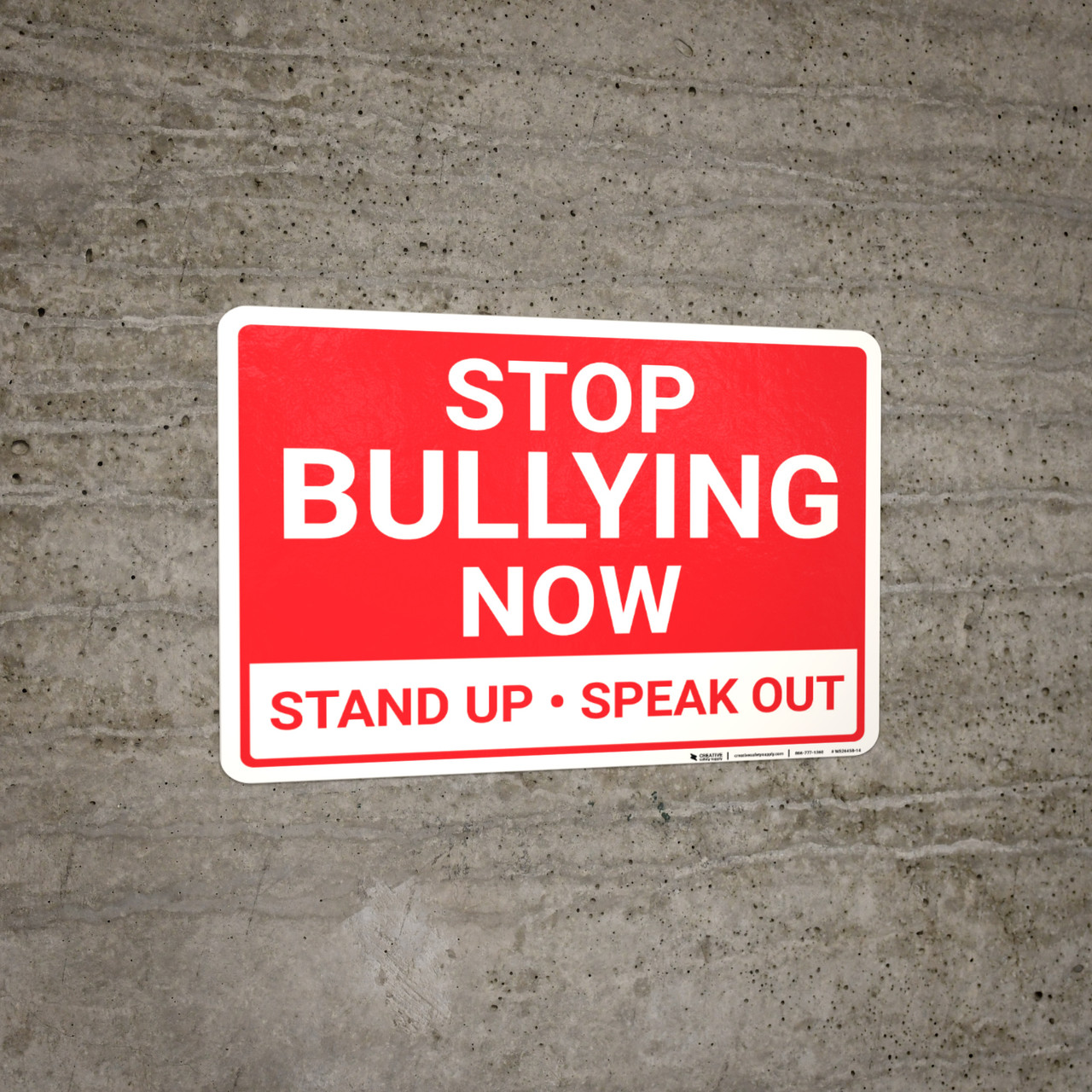
The federal government has intensified efforts to tackle bullying in schools, urging students to report incidents rather than suffer in silence and warning that silence often allows abuse to thrive and undermines learning, mental health, and school safety.
The call was made on Wednesday in Abuja during a one-day sensitisation workshop on the National Policy on Anti-Bullying for students and teachers, organised by the Federal Ministry of Education in collaboration with the Universal Basic Education Commission (UBEC).
The workshop was part of ongoing efforts by the ministry and UBEC to deepen awareness and strengthen the implementation of the National Policy on Anti-Bullying across schools nationwide.
Speaking at the event, the Executive Secretary of UBEC, Dr Aisha Garba, said bullying had become a serious concern in Nigerian schools, affecting students’ academic performance, emotional well-being and overall development.
Represented by the Deputy Executive Secretary, Mr Olajuwon Rasaq, Garba urged students who witness bullying to report it immediately, stressing that early intervention could prevent lasting psychological and academic damage.
“If you see something, say something. You can report without being noticed. Walk to your teacher or head teacher and report what is happening,” she said.
She noted that many victims remain silent out of fear of retaliation, leaving them traumatised and unable to concentrate in class or participate in learning activities despite knowing the correct answers.
She explained that the National Anti-Bullying Policy provides practical guidelines for preventing, identifying and addressing bullying at all levels of education, from primary schools to universities.
Garba also charged teachers and school administrators to create safe and confidential reporting channels, while urging parents to reinforce moral values at home, saying family upbringing remained critical in shaping children’s behaviour.
She expressed concern over the erosion of societal values, blaming part of the trend on the negative influence of social media and unhealthy foreign lifestyles copied by young people.
Other News
Also speaking, the Director-General of the African Principal Conference Initiative, Mr Ayodele Joseph, called for continuous monitoring and evaluation of the National Anti-Bullying Policy to ensure it delivers measurable results in schools.
He said awareness campaigns alone would not end bullying unless schools effectively implemented and monitored the policy.
Joseph disclosed that his organisation had championed anti-bullying advocacy since 2019 through seminars and symposiums, even before the Federal Ministry of Education commenced the nationwide sensitisation programme.
He added that the organisation conducted a nationwide baseline study on bullying and violence in Nigerian schools in 2023 and would carry out a follow-up tracking study in March next year to assess compliance with the policy.
“We need to determine whether schools have domesticated the policy and whether teachers, parents and students understand what bullying is and how to respond appropriately,” he said.
Delivering the keynote address, Executive Director of the Sustainable Solution for Youth and Vulnerable Initiative (SSYVI), Mrs Ayotola Ilori, described bullying as a growing generational problem that affects victims, perpetrators, bystanders, families and the wider school community.
She identified verbal, physical, social and cyberbullying as the major forms of bullying and urged students and teachers to become “upstanders” by speaking out against abuse instead of remaining silent.
“We need to have these difficult conversations because bullying is becoming generational. Some children believe that when they become seniors, it will be their turn to bully others. We need to be upstanders, not bystanders. Keeping quiet when someone is being bullied is part of the problem,” she said.
Ilori commended the Federal Ministry of Education and UBEC for championing the initiative and called for stronger collaboration among government agencies, civil society organisations, development partners, the media, and the private sector to make schools safer for children.
The World Bank Education Team, led by Elia Elegbe, also praised the ministry for strengthening policies and guidelines aimed at protecting learners from bullying and creating safer learning environments across the country.