Follow Us on Google
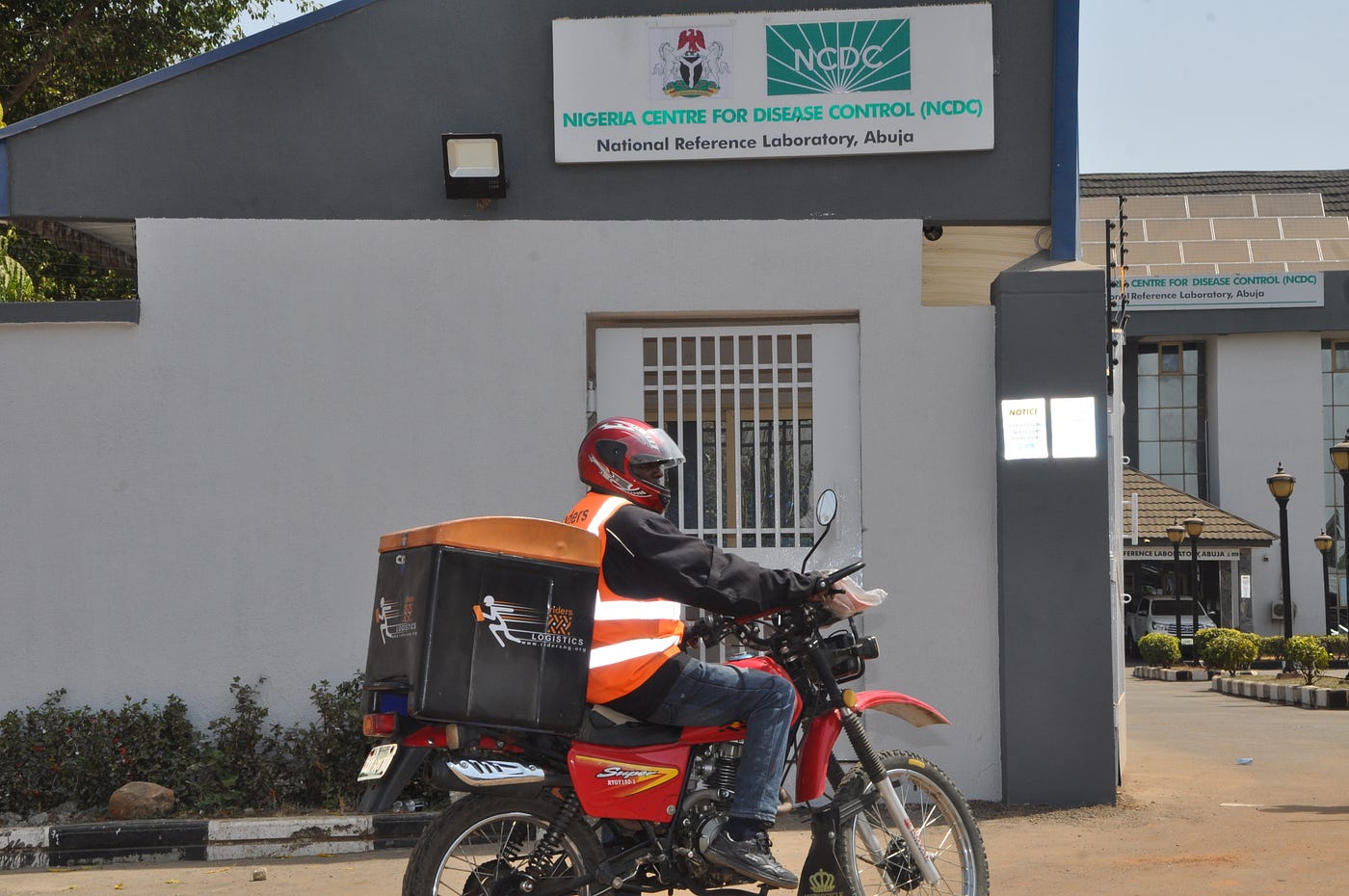
In today’s fast-paced Nigerian economy, reliability has become one of the strongest indicators of business credibility. Customers no longer judge companies by flashy branding or social media presence alone; they evaluate them by how consistently promises are kept. One delayed delivery or broken commitment can erode years of trust and goodwill.
Across cities like Lagos, Abuja, and Port Harcourt, small and medium-sized enterprises are discovering that dependable delivery systems are the backbone of modern commerce. Whether it’s a logistics startup transporting essential goods or a baker ensuring a customer’s birthday cake arrives on time, reliability determines repeat business.
As Nigeria’s e-commerce and service sectors expand, the question is no longer who can deliver faster, but who can deliver reliably. This shift underscores the growing importance of structured systems, communication, and coordination in creating customer satisfaction that lasts beyond a single transaction.
The Delivery Economy In Nigeria
Nigeria’s delivery economy has grown rapidly in the last decade, driven by the rise of e-commerce, on-demand services, and a young population comfortable with digital transactions. From groceries to fashion items and cakes, customers now expect doorstep convenience with a single tap on their phones.
However, this growth has exposed a major weakness: inconsistency. Many customers still complain about late deliveries, poor communication, or damaged products. Traffic congestion, untrained riders, and poor route management often make timely and accurate delivery difficult. Some platforms focus on speed without building systems that ensure consistency, accountability, or customer feedback integration.
The result is a trust gap. While Nigerians are eager to embrace online shopping and delivery, many still hesitate to rely on certain platforms for time-sensitive orders like food or gifts. This shows that the true challenge isn’t technological advancement but operational reliability, the discipline to deliver right every single time.
Why Reliability Matters More Than Speed
In the race to meet growing customer expectations, many businesses in Nigeria have prioritised speed over structure. Yet, experience shows that what customers value most is not how fast a product arrives but how dependable the experience feels. A quick delivery means little if the order is incomplete, late, or poorly handled.
Reliability, on the other hand, builds emotional confidence. It assures customers that their orders will arrive as promised, every time. This assurance turns first-time buyers into loyal advocates. According to insights from PwC’s Africa Retail and Consumer Report, trust remains one of the strongest predictors of repeat purchase behaviour across emerging markets, including Nigeria.
For small businesses, especially in sectors like food, fashion, and logistics, reliability becomes a form of branding. It shapes how customers perceive value. A business that consistently delivers what it promises doesn’t need aggressive marketing; its reliability speaks louder than any advertisement.
The Human Side Of Reliability
Behind every successful delivery is more than just technology or transportation; it’s a chain of people who understand the emotional weight of trust. Reliability, in many cases, is personal. When a customer orders a birthday cake, for instance, they’re not just paying for flour and frosting; they’re paying for a moment, a celebration that can’t be postponed or redone.
A single failed delivery can ruin that moment and weaken trust in the entire brand. That’s why reliable delivery systems must go beyond logistics; they must reflect empathy and accountability. From the person taking the order to the rider making the final drop-off, every step carries a responsibility to care.
In Nigeria’s evolving digital economy, this human-centred approach to reliability is what separates sustainable businesses from fleeting ones. Reliability isn’t just a system; it’s a culture, one built on respect for the customer’s time, emotion, and expectations.
How Businesses Are Reinventing Delivery Reliability
Across Nigeria, businesses are beginning to treat reliability as a strategic asset rather than a secondary goal. They are redesigning their processes, adopting smarter tools, and training their teams to deliver consistent results.
One major shift is the adoption of real-time tracking and transparent communication. Customers now expect to see where their order is, when it will arrive, and who is handling it. This visibility builds confidence and reduces uncertainty. Many logistics companies now integrate automated WhatsApp or SMS updates that notify customers at every stage of delivery.
Another improvement is the verification of vendors and riders. Reliable delivery platforms ensure that every partner in the chain meets clear quality and communication standards. Some have also started using structured feedback systems to evaluate performance, resolve issues quickly, and maintain service consistency.
Local innovation plays a key role in this transformation. Nigerian startups are increasingly developing tailored solutions that fit local realities, optimising routes for city traffic, enabling digital proof of delivery, and creating stronger vendor coordination systems. These changes show that reliability isn’t just a dream; it’s a growing discipline powered by structure and accountability.
Case Insight: How Yefepere is Reimagining Cake Delivery Reliability
Cake delivery may sound simple, but it demands one of the highest levels of reliability. Timing, presentation, and coordination all matter. A single misstep can ruin a customer’s celebration or weaken their trust in a brand. That’s why Yefepere, a cake gifting and delivery platform, has built its model around precision, communication, and partnership.
Yefepere connects customers with verified bakers and delivery partners across Nigeria, ensuring that every order, whether it’s a cake in Abuja or Lagos, is handled with care from preparation to delivery. The platform uses structured coordination through WhatsApp and other digital tools to keep every stakeholder informed and aligned. Customers receive real-time updates, and vendors follow a clear fulfilment process that minimises errors and delays.
Beyond technology, Yefepere’s success lies in its commitment to human reliability. Every delivery represents a shared effort to make a moment special. By combining digital systems with disciplined coordination, Yefepere shows how structure can turn something as delicate as cake delivery into a consistently dependable experience for people who order birthday cakes for men or women online in Nigeria.
The Broader Impact of Reliable Systems on Nigeria’s Economy
Reliable delivery systems are more than operational conveniences; they are pillars of economic growth. When businesses can deliver consistently, customers buy with confidence, local production increases, and job opportunities expand across the value chain. Every successful delivery reflects a functioning ecosystem involving suppliers, riders, vendors, and customers.
In Nigeria, where logistics challenges have often limited business scalability, dependable systems are unlocking new economic possibilities. Small and medium enterprises that once struggled with manual coordination now use structured digital workflows to manage inventory, track deliveries, and maintain transparency. Leveraging solutions from a WhatsApp CRM, which further enhances communication and order tracking, ensuring reliability at every step.
It also supports innovation. As reliable networks expand, entrepreneurs can introduce subscription models, regional supply chains, and automated fulfilment processes, all of which depend on dependable operations. The rise of such systems signals a maturing economy where structure, not improvisation, drives growth.
Building Trust, One Delivery At A Time
Reliability has become the true measure of business excellence in Nigeria’s growing digital marketplace. Speed may attract attention, but consistency earns loyalty. Every on-time delivery, transparent update, and satisfied customer adds up to a reputation that no amount of advertising can buy.
For entrepreneurs, the lesson is clear: building reliable systems is not an expense; it’s an investment in trust. Structured processes, trained teams, and clear communication channels transform everyday transactions into experiences customers remember and return to.
Yefepere’s structured cake delivery system is a strong example of this principle in action. By combining verified partnerships, real-time coordination, and dependable fulfilment, it shows how local businesses can thrive through discipline and innovation. Whether it’s a cake in Nigeria or a time-sensitive order across states, reliable systems ensure that every promise made is a promise kept.
In the end, building trust, one delivery at a time, is what sustains the future of Nigeria’s entrepreneurial economy.