Follow Us on Google
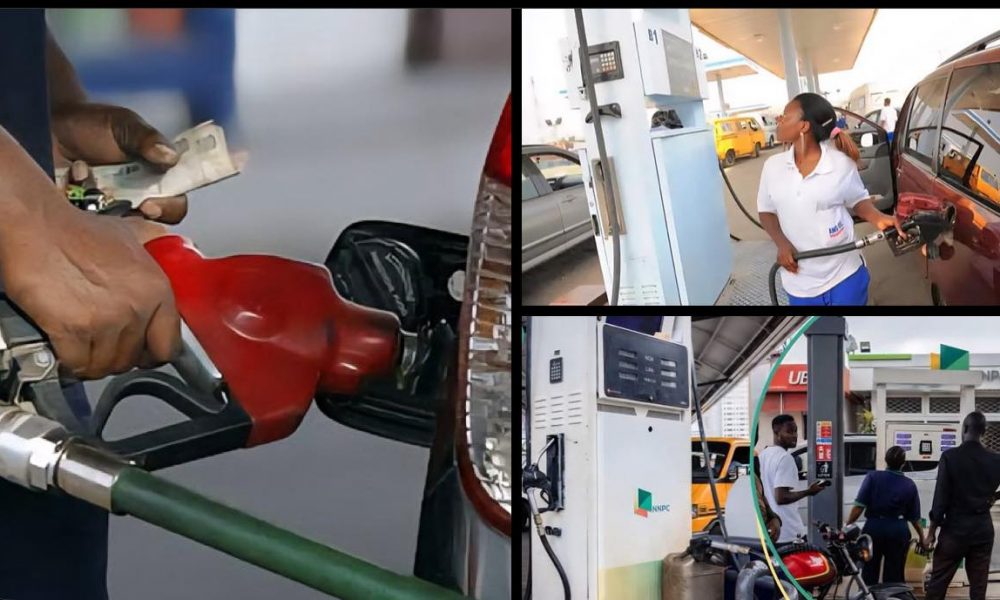
The move by the federal government to impose a five per cent surcharge on locally refined petroleum products, including petrol and diesel tentatively scheduled to begin from January 1, 2026, should be shelved forthwith. The plan is unnecessary at this moment that Nigerians are reeling from excruciating economic hardship, occasioned by surging inflation, income inequality and high cost of living. It is not only insensitive, but untimely. It also portrays government’s lack of empathy for the suffering masses. If enforced against the present overwhelming opposition wise counsel to drop the idea, it will worsen the current hardship in the land, as well as the closure of many businesses in the country. That will further exacerbate the rate of unemployment, which is already frightening.
As contained in the Tax Act 2025, the five per cent surcharge will be applied to the retail prices of all “chargeable fossil fuel products, provided or produced in Nigeria, and will be collected at the time a chargeable transaction takes place – supply sale or payment for the product – whichever comes first.” The Minister of Finance and Coordinating Minister for the Economy, Wale Edun’s statement that “nothing has been prepared, no order has been issued, and there is no immediate plan to implement” any surcharge, should be taken with a pinch of salt. Perhaps it is a clever ploy to take Nigerians by surprise next year.
Even though the proposed surcharge is a component of the Tax Reforms Act, contrary to government’s avowal, it is in doubt that it will benefit majority of Nigerians if it comes into force anytime next year. The removal of fuel subsidy is a case in point of a policy initiative that promised much, but delivered little on the lives of the people. Despite $600 million reportedly saved since two years, and 40 per cent increase in states’ allocation from subsidy removal, the impact has not been felt by the populace. No doubt, the five per cent petrol surcharge will inflict more pains on struggling citizens already grappling with the effects of uncoordinated economic policies of this administration.
However, cooking gas (LPG), kerosene, compressed natural gas (CNG), clean or renewable energy products like solar, wind and hydropower are exempted from the surcharge. All the same, Nigerians are opposed to any imposition of additional tax. The tax burden under this government is becoming unbearable. People no longer trust the government on tax matters. This can explain the mounting opposition over the fuel tax. The government’s projected N796 billion revenue target from the surcharge is attractive on paper, but it might be another decoy to smuggle a bad policy through the backdoor.
is why the plan has been roundly opposed by many stakeholders, including opposition political parties and organised labour, represented by the Nigeria Labour Congress (NLC) and the Trade Union Congress (TUC). TUC has threatened to embark on a nationwide strike if the government goes ahead with the plan. Any policy enforced at the expense of the Nigerian people is unacceptable and should be rejected outright. Clearly, fossil fuels, especially petrol is central to virtually every aspect of economic life in Nigeria, from transportation to powering businesses. Therefore, any attempt to impose the five percent surcharge will increase transport fares, fuel prices, and by extension, the overall cost of living. Currently, the pump price of is N950/litre, about 382 per cent increase from N197/litre when President Tinubu assumed office on May 29, 2023. Even the downstream petroleum sector already awash with several taxes from the Nigerian Midstream and Downstream Petroleum Regulatory Authority (NMDPRA) is not left out, as the surcharge will add to the landing cost of petroleum products at the depots. At present, the pump prices have indirectly affected the economy, and will further drive higher the prices of the product in the market. Equally troubling is the proposed extra five percent Value Added Tax (VAT) airlines will pay under the new tax act. This will invariably lead to increase in air fares.
Considering the strident opposition against the fuel tax, the federal government should perish the idea and never resurrect it again. It is likely to cause social unrest if it is not shelved. Let the government defer to the wishes of the masses. The government should rather show more commitment to macroeconomic stability and promote private-led growth. In addition, the government should create a transparent and effective tax system, cut cost of governance, and woo foreign investors.
Besides, the government must strengthen our tax administration and ensure adequate utilization of tax revenue. It should also go beyond claims of meeting or exceeding revenue target, but ensuring that revenues generated impact positively on the lives and welfare of the people. This is, indeed, the essence of government as a human enterprise. Imposing tax on people as frequent as the Tinubu government has done clearly defeats the norm that taxes should promote fiscal sustainability and not suffer the people. Governance is not about taxes alone. A good tax system should fundamentally broaden compliance and not burden the people.