Follow Us on Google
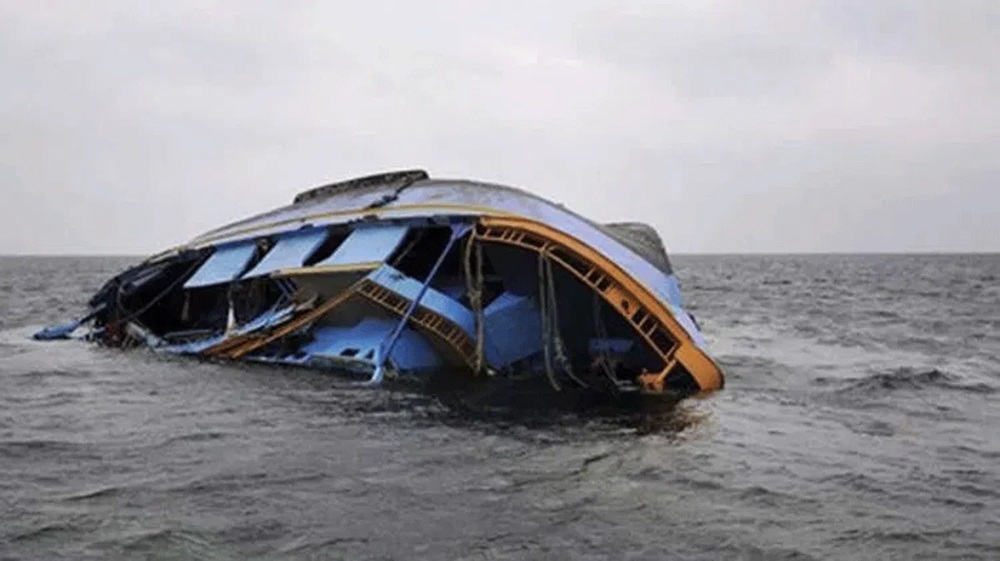
Recently, a joyous occasion turned into unfathomable grief in Kebbi State when a boat ferrying over 100 wedding guests capsized. Fourteen people, comprising 13 women and a child, lost their lives in the disaster. Twelve of the dead were sisters of the bride, who had joyfully escorted her to her husband’s home across the river only to be swept away on the return journey.
The pain is immeasurable not only for the bride’s maiden family but also relatives of the other casualties. A wedding is meant to mark the beginning of a new chapter. Yet for the grieving families, it will forever echo loss and lamentation. Such tragedy should ignite urgent action, not polite consolations rooted in fatalism.
Governor Nasir Idris consoled the mourners by declaring the tragedy an “act of God.” But in doing so, he echoed the usual narrative that too often frames such disasters as inevitable blights of divine will rather than the consequence of human negligence.
While acknowledging that accidents are bound to occur, we must not dismiss the human factor in most of them. The Kebbi boat disaster, like others before it, could have been averted if safety measures were prioritised. Most times, boat operators do not adhere to rules and regulations, which include the wearing of life jackets by all passengers.
Sadly, Nigeria’s inland waterways have become daily death traps. Boats are routinely overloaded, frequently rickety and poorly maintained, and almost never equipped with basic safety gear like life jackets. Most passengers cannot swim and are utterly unprepared for emergencies on water. In the Kebbi incident alone, the vessel was significantly burdened beyond capacity, casting scores of people helplessly into the water.
Beyond Kebbi, however, the numbers paint a grim national picture. According to recent transport sector reports, at least 972 people died in boat accidents nationwide between 2022 and 2025 due to overloaded, unsafe vessels and weak safety enforcement. The numbers could be higher as some accidents go unreported.
In 2023 alone, around 421 deaths were recorded; in 2024, the tally was about 232. Other independent data going back further suggest that between 2018 and October 2023, inland waterway accidents claimed 1,204 lives—an average of about 17 deaths every month.
These are not abstract statistics. They are mothers, fathers, siblings, children—individuals who trusted their lives to a mode of transport, which is operated with scant regard for safety. Regulation is lax in the sector. This shouldn’t be the case.
In most countries, tragedies of this scale prompt sober reflection, accountability, and policy overhaul. In Nigeria, boat accidents continue with such frequency and ferocity that they have become the routine. Yet regulatory response remains weak, disjointed, and often indifferent.
The National Inland Waterways Authority (NIWA) is statutorily responsible for inland water transport regulation, safety oversight, and enforcement. It should ensure the wearing of life jackets, enforce load limits, license only seaworthy boats, and sanction operators who cut corners. But the reality is far different.
Other News
Critics repeatedly point out that NIWA and other agencies have been more focused on revenue collection than on enforcing safety standards. Despite some recent efforts to reduce fatalities—with reports noting a 30 per cent drop in boat accidents and deaths in 2024 under a renewed enforcement drive—such improvements remain uneven and too slow.
How many more bodies must be pulled from rivers before officials move beyond “awareness campaigns” to meaningful, punitive enforcement? Where are the sanctions against operators who flagrantly overload their boats? Where is the accountability for officials who look the other way?
Framing these deaths as divine will is not just inaccurate—it is harmful. It reduces human error and regulatory failure to fate, absolving policymakers of responsibility. It robs grieving families of the hard truths they deserve to hear: that reckless negligence, under-enforced regulation, and systemic apathy are killing Nigerians on their waterways.
Water transport is a lifeline for many communities, especially in riverine and rural regions where roads are impassable or unsafe. But a lifeline should never be a death sentence. Public policy should make this mode of transport safer, not more perilous.
Federal and state governments should urgently review and enforce inland waterway safety codes without fear or favour. NIWA should step up inspections, impose real penalties on violators, and ensure that all commercial boats are fitted with life jackets and other safety gear.
Transport safety agencies should collaborate in a single, unified regulatory framework that leaves no room for ambiguity or jurisdictional overlap.
We need stiffer sanctions against unsafe operations, including suspension of licences for operators who repeatedly endanger lives.
Nigeria cannot afford to lose hundreds of lives every year to boat operators’ negligence and lax regulations. A society that neglects the safety of its people betrays its own humanity. Kebbi bleeds daily from bandits attacks.
These tragedies are not acts of God. They are acts of negligence, complacency, and policy failure.
The Kebbi boat accident is a stark reminder that until the authorities take waterway safety seriously, our rivers will continue to be conduits of sorrow rather than progress.