Follow Us on Google
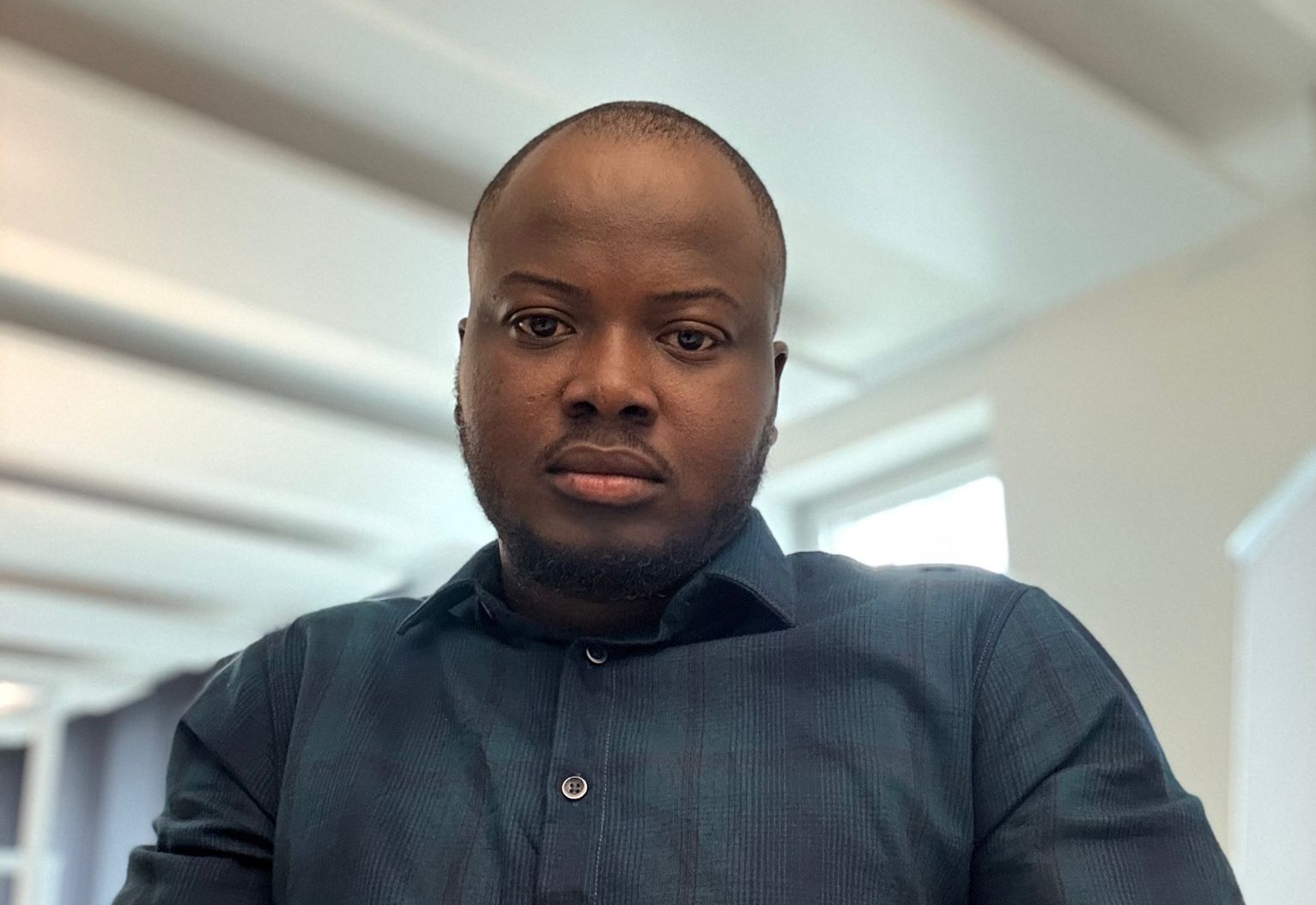
By Taiwo Babatunde
In today’s interconnected world, digital trust is no longer optional—it is the foundation of our daily lives. From banking to healthcare and industrial systems, the security of critical infrastructure affects millions of people globally.
Babatunde Lawal, a cybersecurity expert with a Master’s in Cybersecurity from Germany, has built a remarkable career spanning Nigeria and Germany. After gaining extensive experience in the banking sector, he advanced his expertise while working in various sectors.
With a focus on securing critical systems and protecting essential services, Babatunde shares his insights on emerging threats, risk management, and the future of digital trust in this exclusive interview.
Babatunde, you’ve had a rich journey from working in Nigerian banks to studying Cybersecurity in Germany and now securing systems globally. What does “digital trust” mean to you in today’s world?
Digital trust is the confidence that individuals, organizations, and governments can rely on systems and technologies to perform securely, reliably, and ethically. In today’s hyperconnected world, digital trust is essential for every interaction, whether financial, medical, or industrial. It’s not just about cybersecurity controls but also transparency, compliance, and ethical data handling, which together ensure users and stakeholders can trust digital systems.
Critical infrastructure is often described as the backbone of society. From your experience in banking, healthcare, and industrial systems, why is securing these systems so critical?
Critical infrastructure, such as healthcare systems, banking networks, and industrial control systems, supports essential services. Any compromise can lead to severe financial losses, public safety risks, or even loss of life. My work with hospitals and industrial sectors has shown me that securing these systems is not only a technical challenge but also a societal responsibility. Ensuring resilience and availability is key to maintaining public confidence.
Threat intelligence is a growing focus in cybersecurity. How do you approach identifying, analyzing, and mitigating threats in industrial control systems (ICS) to protect critical infrastructure?
Threat intelligence for ICS involves monitoring global threat feeds, identifying vulnerabilities specific to PLCs, SCADA systems, and OT devices, and correlating this information with system logs. In practice, I conduct proactive vulnerability assessments, simulate attacks on controlled environments, and implement mitigations to prevent exploitation. The key is staying ahead of emerging threats while maintaining operational continuity, given that ICS environments cannot afford downtime.
Risk management is a central part of cybersecurity strategy. How do you assess and prioritize risks across complex environments like healthcare and industrial systems?
Risk management starts with a comprehensive asset inventory and threat modeling. I would say evaluating the potential impact and likelihood of each risk, prioritize based on criticality, and implement layered defenses. For healthcare systems, for example, patient safety and data integrity are paramount, so vulnerabilities in these areas are addressed first. Regular audits, continuous monitoring, and incident response planning are integral to mitigating risks effectively.
Digital trust is not just about technology—it’s also about governance and people. How do you see organizations balancing innovation, compliance, and security to build trust?
Organizations must integrate security and compliance into their innovation roadmap from the start. This means fostering a security-aware culture, adopting best practices, and using frameworks like ISO 27001 or NIST to guide decisions. The balance comes from viewing security as an enabler rather than a blocker, ensuring that innovation can thrive without compromising trust or regulatory obligations.
AI is rapidly transforming cybersecurity—both for defenders and attackers. What role do you think AI will play in securing critical infrastructure in the next 5–10 years?
AI will enhance threat detection, automate repetitive monitoring tasks, and predict attack patterns in critical infrastructure. By analyzing massive datasets in real-time, AI can identify anomalies that human operators might miss. However, AI itself must be secured against manipulation, as adversaries will also leverage it. Proper governance, validation, and human oversight will remain crucial.
You’ve served as a peer reviewer, panel judge, and editorial board member in cybersecurity. From this vantage point, what trends or emerging threats should organizations be paying attention to?
One key trend is the convergence of IT and OT environments, which introduces new vulnerabilities. Ransomware targeting industrial systems, supply chain attacks, and advanced persistent threats (APTs) are increasingly sophisticated. Organizations must adopt proactive threat intelligence, rigorous patch management, and cross-disciplinary collaboration to stay resilient.
Given your global career path—from Nigeria to Germany and beyond—how do you see international collaboration contributing to digital trust and the security of critical systems?
International collaboration allows for the sharing of threat intelligence, best practices, and lessons learned across borders. Cybersecurity is a global challenge; attacks on one region can have ripple effects worldwide. Collaborative frameworks, information sharing, and coordinated incident response are essential to maintaining digital trust and securing critical infrastructure globally.
Digital trust is also about the human element. How important is cybersecurity awareness in ensuring the resilience of critical infrastructure?
Human behavior is often the weakest link in cybersecurity. Training employees, raising awareness, and fostering a culture of vigilance are critical. Even the most sophisticated systems are vulnerable if personnel fail to follow security protocols. Awareness programs, phishing simulations, and continuous education are vital for sustaining resilience.
Finally, what is your vision for the future of digital trust, and how do you see your role in shaping that future?
My vision is a world where digital systems are inherently secure, reliable, and ethically managed, allowing society to confidently embrace innovation. I aim to contribute through research, leadership in securing critical infrastructure, mentoring future cybersecurity professionals, and shaping global best practices that strengthen digital trust worldwide.