Follow Us on Google
By Rashidat Arowolo
In the sterile corridors of hospitals in Houston and Toronto, Nigerian doctors are working double shifts. In the tech hubs of London and Berlin, Nigerian engineers are optimizing systems for foreign giants. On the streets of New York, overqualified academics drive Ubers to bridge the gap between their reality and the “American Dream.”
To the casual observer, this is the “Japa” success story—a narrative of escape. But behind the filtered Instagram posts and the pride of foreign degrees lies a more complex, bittersweet truth: The Nigerian diaspora is not running away from home; they are waiting for home to become viable.
The Myth of the “Clean Break”
The migration wave of the last decade has been driven by necessity, not luxury. It is a grueling process of fractured communities, separated families and abandoned careers. Many are not “thriving” in the traditional sense; they are surviving within systems that work, even if those systems were not built for them.
The diaspora remains tethered to Nigeria by more than just blood. They are emotionally, culturally and financially invested, pouring billions in remittances into the economy annually. Yet, remittance is not the same as reintegration. You can send money to a sinking ship, but you won’t board it until the hull is patched.
A Case Study in Strategic Waiting
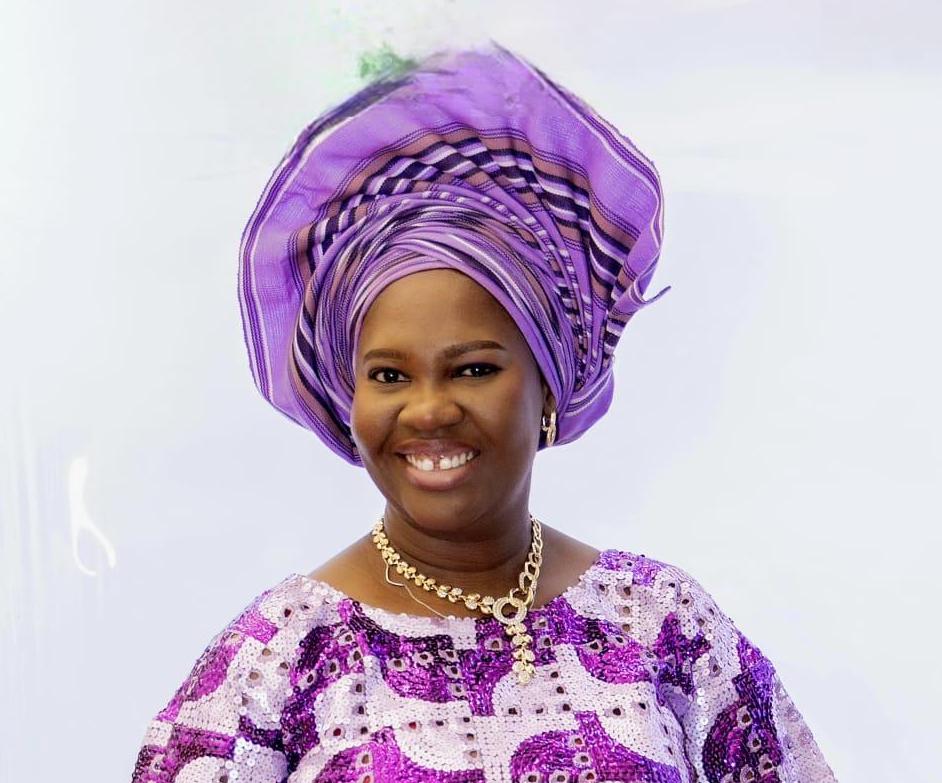
Among those quietly building bridges is Abiodun Adetu, a communications strategist and diaspora advocate in North America. Her journey exemplifies the “Brain Reserve” model.
Adetu, an Ikorodu born and daugher of a former Lagos commissioner for Commerce and industry has not spent her time abroad merely seeking personal comfort. As a cultural convener and media strategist, she has moved close to the levers of power—engaging city councils, federal representatives and business advisory networks. She hasn’t done this to embed herself permanently in foreign politics, but to study the “mechanics of excellence.”
Through her work facilitating grants, scaling African businesses in North America, and navigating municipal regulatory frameworks, she represents a new breed of patriot: the Observer. She is gathering the blueprints of how functional societies operate—how public-private collaborations actually move the needle and how security architecture protects investment.
Her stance is a challenge to our leadership: This knowledge belongs in Nigeria. But will Nigeria be ready to receive it?
From Brain Drain to Brain Gain
Other News
The narrative of “Brain Drain” is only permanent if we allow it to be. If the Presidency and policymakers can meet the diaspora’s willingness with concrete reform, we could witness the greatest “Brain Gain” in African history.
The requirements are not a mystery. They are the three pillars of return:
Security: The protection of life and the sanctity of investment.
Policy Consistency: An end to the “regulatory whiplash” that kills startups overnight.
Bureaucratic Ease: A system that rewards innovation rather than taxing it into extinction.
The Invitation
This is not an indictment of the current administration but a strategic invitation. Nigeria does not need to beg its brightest minds to return. It simply needs to build conditions compelling enough that they choose to.
Leaders like Adetu demonstrate that the diaspora is ready. They are not looking for political appointments or “settlements”; they are looking for a platform to deploy global expertise on local soil.
As Adetu herself asserts: “It would be an honour to deploy this knowledge at home—to build systems that strengthen Nigeria and, by extension, Africa.”
The world has already seen what Nigerians can build for others. It is time for the Nigerian government to make it safe, profitable, and logical for them to build for themselves. The diaspora is not lost. It is watching. It is evaluating. And it is waiting for the signal to come home.
•Rashidat Arowolo writes from Lagos