Follow Us on Google
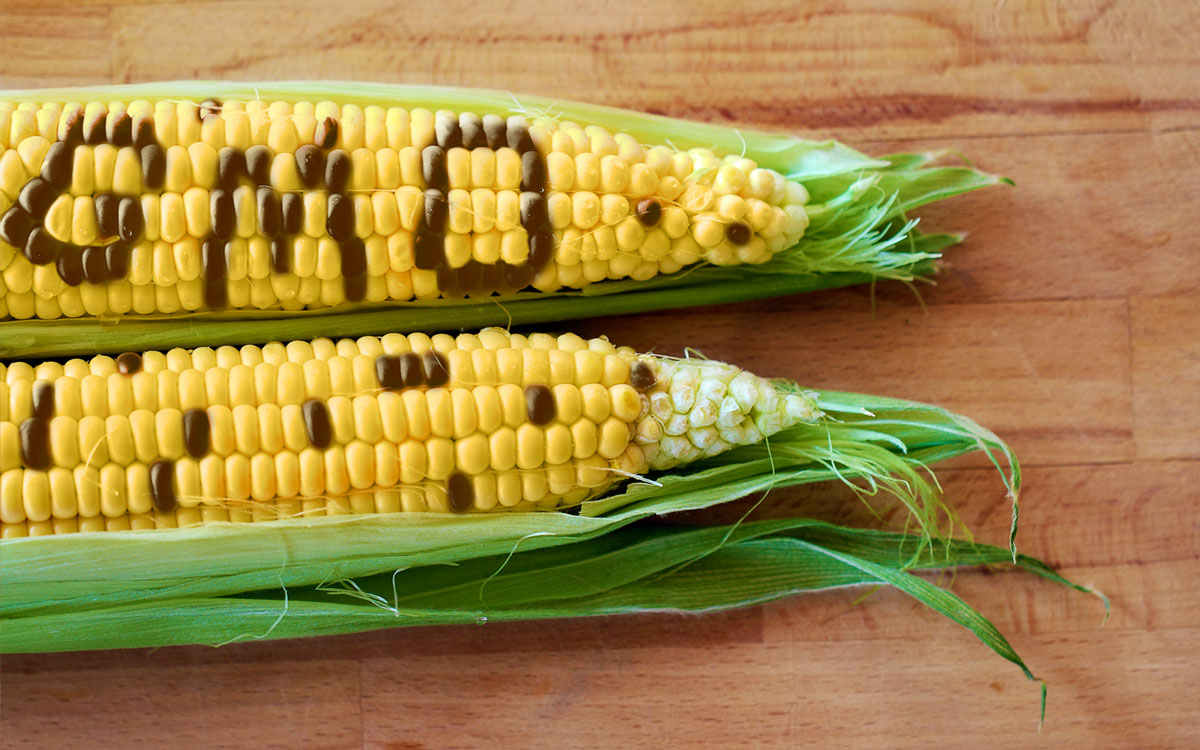
The controversy over the safety or otherwise of Genetically Modified Organisms (GMOs) foods is quite understandable. Apart from those who say that GMO foods are harmful to human health, there are yet others who say that GMO foods are safe and healthy for human consumption. The proponents of GMO foods have argued persuasively that the ongoing food hunger and threat to food security of many countries including Nigeria can be addressed by the introduction of GMO foods.
The World Health Organization (WHO) says that GMOs can be defined as organisms (i.e. plants, animals, or microorganisms), in which the genetic material (DNA) has been altered in a way that does not occur naturally by mating and/or natural recombination. This genetic engineering allows selected individual genes to be transferred from one organism into another and also between non-related species. Foods produced from or using GM organisms are often referred to as GM foods. While the global health agency says that it is not possible to make general statements on the safety of all GM foods because individual GM foods and their safety should be assessed on a case-by-case basis, it also states that GM foods currently available on the international market have passed safety assessments and are not likely to present risks for human health.
It also states that “no effects on human health have been shown as a result of the consumption of such foods by the general population in the countries where they have been approved.” It also advised that continuous application of safety assessments based on the Codex Alimentarius principles and, where appropriate, adequate post market monitoring, should form the basis of ensuring the safety of GM foods.
Consequently, the National Agency for Food and Drug Administration and Control (NAFDAC) has revealed that GMO foods are safe for human consumption, provided that safety protocols are followed. The Director-General of NAFDAC, Prof, Moji Adeyeye, says that “the GMO foods are not bad for us, depending on what type of foods they are and whether these safety considerations have been taken.”
She also disclosed that NAFDAC has been working closely with the National Biosafety Management Agency, the primary body responsible for ensuring the safety of GMO foods in Nigeria, stressing that consumers should check food labels for GMO information. All GMO foods, she says, should have ‘genetically modified food’ written on them. According to her, without NBMA certifying that they had done their due diligence in their laboratory, NAFDAC would not approve any GMO food to enter the market.
Other News
Despite assurances over the safety of GMO foods by NAFDAC and other regulatory bodies, there are concerns raised by experts and critics. According to experts, the arguments against GMO foods include potential negative impacts on human health, such as unforeseen toxicity or allergic reactions; environmental concerns like the creation of herbicide resistant ‘superweeds’ and harm to diversity, among others. Other concerns include insufficient long-term human clinical trial data to fully assess the health effects of consuming GMO foods over a lifetime.
There are fears also that chemicals used with GMO crops can harm soil microbes and disrupt ecosystems by affecting non-target organisms like bees. Due to inadequate oversight, some critics argue that government regulations and safety assessments for GMOs are insufficient to address their potential health and environmental risks. There is another concern that the widespread planting of a few GM crop varieties can reduce the genetic diversity of our food supply, thereby making it more vulnerable to disease and environmental changes.
In spite of the concerns against GMO foods, there are also arguments in their favour. These include GMO foods potential for increased crop yields, enhanced nutritional content (e.g. added vitamins), improved pest and disease resistance, reduced pesticide use, increased drought and salt tolerance, and longer shelve life to reduce food waste.
No doubt, the introduction of GMO foods will go a long way in making more food available to the populace, but there must be guarantees that safety protocols are followed.
While the controversy over the safety of GMO foods rages, there is need for more public enlightenment campaigns on GMO foods. Therefore, there is need for more education on GMO foods as well as more research and testing of GMO foods to allay the fears of the public over their safety. Interestingly, the Federal Ministry of Health and Social Welfare has mapped out plans to make sure that every GM product is labeled and can be traced. Above all, let all GMO foods be adequately labeled. NAFDAC must ensure that all GM foods in the Nigerian market are safe and healthy for human consumption.