Follow Us on Google
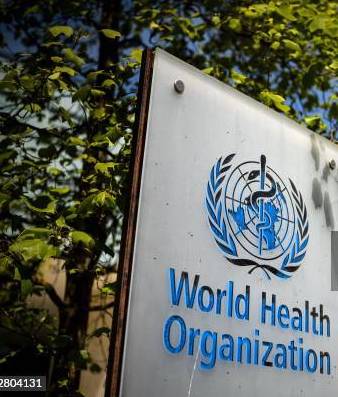
The World Health Organisation (WHO) has raised the alarm over the rising cases of global childhood cancer. At an event to mark this year’s childhood cancer awareness month, the global health agency revealed that 400,000 children were diagnosed with childhood cancer across the world annually. According to the WHO, this translates to three children being diagnosed of childhood cancer every four minutes. The survival rate also varies from region to region.
The WHO says that children born in high-income countries have over 80 per cent chance of surviving childhood cancer, in low- and middle-income countries only one in five children survive childhood cancer. Research shows that only 29 per cent of low-income countries report that cancer medicines are generally available to their populations, compared to 96 per cent of high-income countries. This is worrisome, because around 90 per cent of children with cancer live in low-or middle-income countries, including Nigeria and other African countries.
The global health agency has called on governments, communities and stakeholders to intensify public awareness on childhood cancer as well as efforts to bridge the survival gap, with emphasis on early detection and treatment. According to the WHO, “every child deserves a chance to grow up healthy.” To enhance the survival rate of children with childhood cancer, the UN agency has set a global target to achieve a 60 per cent survival rate by 2030, with the goal of saving one million lives. In 2018, WHO and St. Jude Children’s Research Hospital launched the Global Initiative for Childhood Cancer (GICC) with a target of increasing global survival rates.
Despite challenges, such as conflicts and weak health systems, progress is being recorded in several countries under the WHO-backed CureAll Framework. Countries in the Asia and North Africa — Pakistan, Morocco, Syria, Libya, Jordan, Lebanon, and Egypt — have committed to prioritising childhood cancer care by developing national protocols for early diagnosis, standardised treatment, and financial protection for families. Nigeria should strive to be among the countries priotising childhood cancer.
Statistics show that children represent 7.2 per cent of the 127,000 cancer cases recorded annually, and an estimated 7,000-8,000 childhood cancer cases are reported annually in the country. The common types include witnessed in the country include leukemia, lymphoma, and retinoblastoma. Late diagnosis of children’s cancers at advanced stages has always been a major barrier to successful treatment of cancer in Nigeria. We encourage the health authorities to expedite action on early detection of cancer in Nigerian children.
Childhood cancer survival rates can reach 80 per cent with early diagnosis, timely access to treatment and a positive response to therapy are important. Children can survive cancer more than adults because their systems are still very functional. They also have the capacity to resist some of the side effects of the drugs used to treat them and they recover quite fast. They can also survive stem cell transplant more than adults.
Let there be more sensitization campaigns at the state and local government levels across the country. Health care givers, parents and guardians should be part of this awareness campaign, highlighting the symptoms of childhood cancer, treatment options and preventive measures. Studies show that leukemia and lymphoma are among the most common childhood cancers in Nigeria. Eye cancer, retinoblastoma, has increasing incidence rates in the country.
However, the government should address shortage of specialised diagnostic facilities, including CT and MRI scans, and dearth of oncologists. Sadly, 16 states in the country do not have radiation or clinical oncologists. It should increase access to advanced cancer therapies, like bone marrow transplants. Its absence has led to incomplete treatment and high abandonment rates. Government can also subsidize the cost of treatment for indigent Nigerians. Cancer treatment for children should be made free at designated health centres nationwide.
There are fears that childhood cancer rate of children’s cancer in the country may be higher than the official figures. Some of the cases may end up unreported as they are treated in faith-based facilities and herbal homes. Government should evolve new measures to tackle childhood cancer at a massive scale. We call on cancer-related non-governmental organizations (NGOs) to increase care and support for victims of childhood cancer. They should also create awareness on how to access treatment. We need more NGOs to partner with governments to tackle the children’s cancer scourge. Government should not be allowed to do it alone.
Let government establish screening centres for childhood cancer in every state capital and some senatorial districts across the country. Facilities for treating childhood cancer should be increased. We welcome urgent interventions to enhance the survival rate of children with childhood cancer. Government should provide special diagnostic machines and a concrete roadmap to tackle childhood cancer in the country.