Follow Us on Google
By Abubakar Ismail
As Bauchi State approaches the 2027 electoral cycle, an important debate is quietly gaining traction—one that moves beyond party alignments and familiar political calculations. It is a debate that questions not just who should lead, but what kind of leadership is most appropriate for a state seeking to bridge the gap between potential and performance.
At the heart of this conversation lies a contrast between two traditions: the entrenched culture of career politics and the emerging appeal of technocratic leadership.
For decades, political leadership in many Nigerian states, including Bauchi, has been shaped by experience within the political ecosystem. This includes navigating party structures, managing alliances, mobilising grassroots support, and balancing regional and ethnic considerations. These are not trivial skills. They are essential in a system where governance is inseparable from negotiation and consensus-building.
However, governance itself—particularly in a modern context—demands something more. It requires the ability to design systems, manage resources efficiently, and deliver measurable outcomes.
This is where the argument for technocratic leadership begins to take shape.
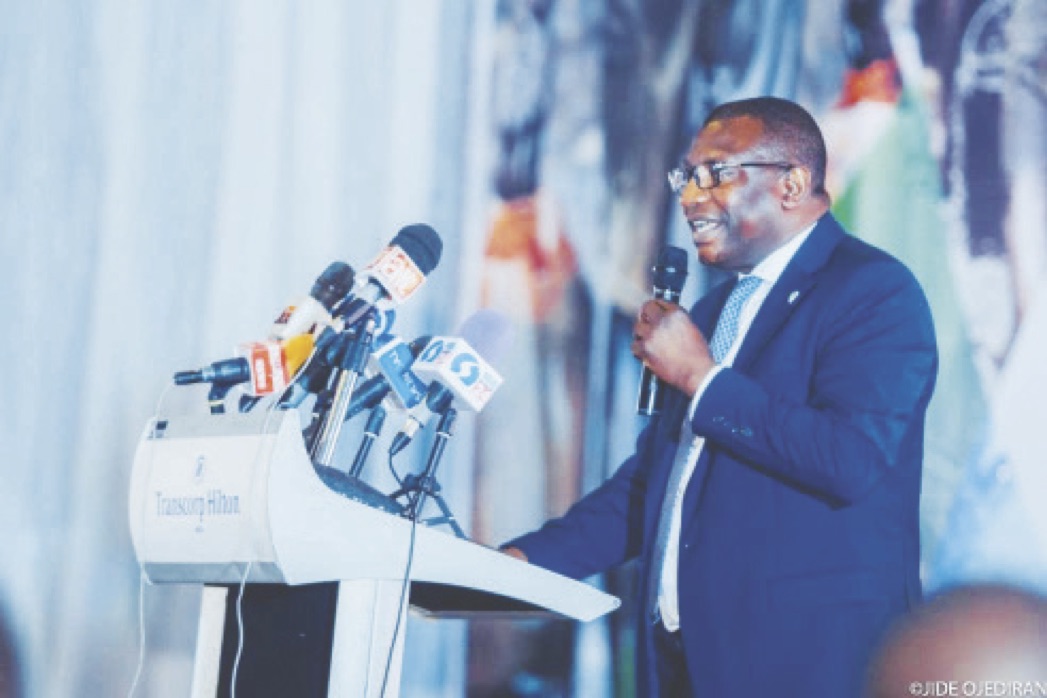
The emergence of Dr. Bala Maijama’a Wunti as a potential contender represents this shift. His career has not been built in the arena of electoral politics but within the highly complex and demanding environment of Nigeria’s oil and gas sector.
Over three decades, Wunti operated within institutions where performance is not optional and outcomes are closely scrutinised. His roles required managing billion-dollar assets, negotiating with international stakeholders, and implementing reforms in systems often resistant to change.
One of the defining aspects of his career was the emphasis on transparency and efficiency. The introduction of Operation White during his tenure at the Petroleum Products Marketing Company addressed one of Nigeria’s most persistent challenges: fuel scarcity and distribution inefficiencies. By deploying digital monitoring systems, the initiative reduced discrepancies in supply data and improved accountability.
This approach reflects a technocratic mindset—one that prioritises data over assumption and systems over improvisation.
Yet, the question remains: can such an approach translate effectively into political leadership?
Sceptics argue that technocrats often underestimate the complexity of political realities. Governance is not conducted in controlled environments. It involves managing competing interests, responding to public sentiment, and navigating institutional constraints that may not yield easily to technical solutions.
Other News
In Bauchi, these realities are particularly pronounced. The state’s socio-political landscape requires a leader who can unify diverse constituencies while addressing pressing developmental challenges.
This raises a critical point: technocracy and politics are not mutually exclusive. The most effective leadership may lie at the intersection of both.
Wunti’s career suggests some capacity for this balance. His roles often required collaboration across government agencies, engagement with international partners, and alignment with national policy objectives. These experiences, while not electoral in nature, involve elements of negotiation and consensus-building.
Moreover, his involvement in community development through the Wunti Al-Khair Foundation indicates an awareness of grassroots realities. Programmes focused on education, healthcare, and skills acquisition suggest a connection to the everyday concerns of citizens.
Still, transitioning from technocrat to political leader is not without challenges. Public perception, political structures, and electoral dynamics will all play significant roles in determining viability.
The broader implication of this discussion extends beyond any single individual. It reflects a growing recognition that traditional political pathways may not be sufficient to address contemporary governance challenges.
Bauchi’s development constraints—limited internally generated revenue, underperforming social sectors, and high unemployment—require solutions that are both strategic and executable.
These are not problems that can be resolved through rhetoric alone. They demand leadership capable of translating policy into action.
As the 2027 elections approach, the electorate faces a choice that goes beyond personalities. It is a choice between continuity and recalibration, between familiarity and experimentation.
Technocratic leadership is not a guaranteed solution. But it introduces a different set of competencies into the political equation—competencies that may prove increasingly relevant in a state seeking to redefine its trajectory.
The outcome of this debate will not only shape Bauchi’s immediate future but also contribute to a broader national conversation about the evolving nature of leadership.
•Ismail, a policy analyst, write from Abuja