Follow Us on Google
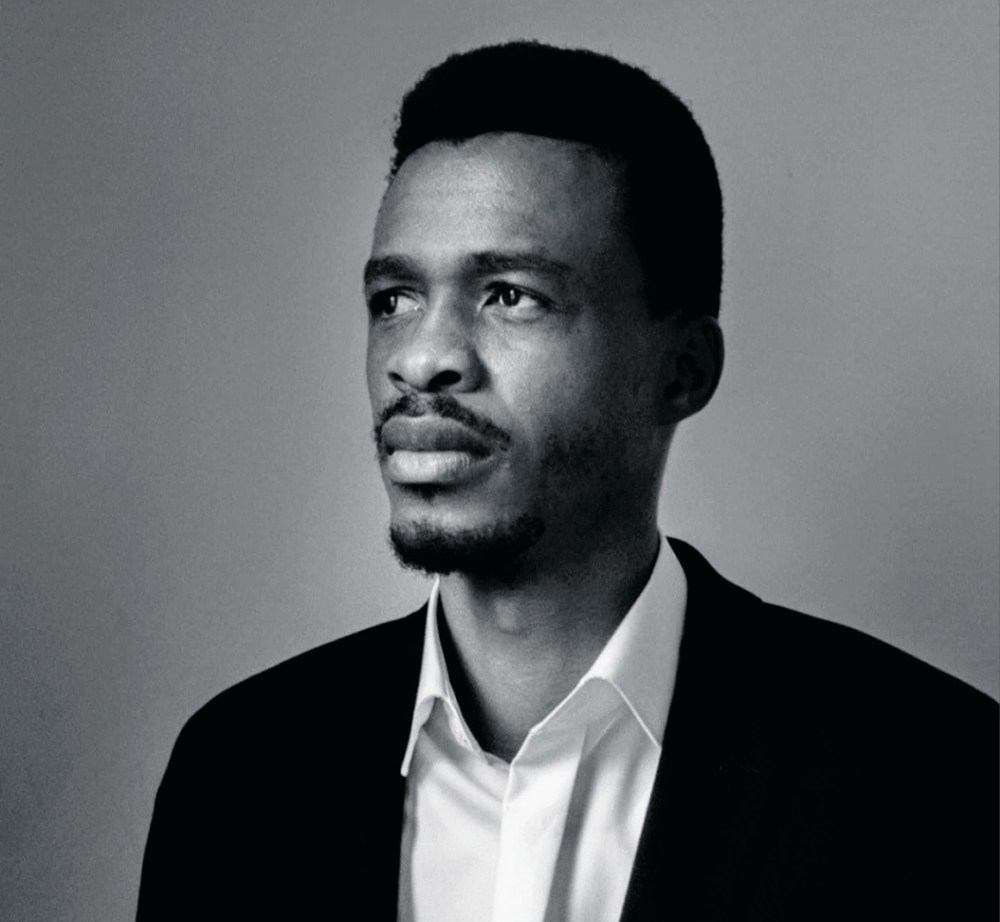
The Founder and Co-Artistic Director, Lagos Biennial 2024, Folakunle Oshun, has stated that tax breaks and subsidy incentive for the art sector could propel the growth of Nigeria’s economy.
He also stated that there is need for the federal government to create more public infrastructures to drive the growth and potential of the art profession in Nigeria.
Oshun, who stated this at a media briefing to announce the Fourth Edition of the Lagos Biennial with the theme: ‘Refuge’ which held in Lagos, said it is important to give funding support to local artists exhibiting their works in each local government area in states across the country.
He explained that if each local government area had a museum, it would inspire other private galleries, noting that if the government gives incentives such as tax breaks and subsidies to such galleries, it would help to educate people from a very young age about art.
Speaking at the event, he revealed that the international exhibition of contemporary art, design and architecture originally scheduled for September 2023, is open to the public at the Tafawa Balewa Square, Onikan, Lagos State and would run till 10, February, 2024.
Oshun whilst noting that the event is expecting to feature the works of 80 participants from 30 countries responding to the theme through architectural pavilions, art installations, artist talks, film screenings, projections and performances, noting that this edition includes veteran Nigeria artists, Demas Nwoko and Bruce Onabrakpeya.
He further explained that in addition to its importance in nation-making in the early post-independence phase, and leisure activities in colonial times, hosting concerts during FESTAC ’77 which marked a pivotal moment at Tafawa Balewa Square because FESTAC’s enduring legacy lies in its visionary pursuit of a global-scale initiative to honour and amplify African cultures across the continent and its diasporas.
According to him, “It takes a whole generation to build that level of art appreciation, so that everybody knows the importance of Art, Design and culture, by the time they are in their early 20s, when they want to start acquiring art.
In her remarks, Kathryn Weir, hinted that the event offers an opportunity to reassess the promises, disappointments, and ongoing ramifications of the nation-state model with its panoply of modes of governance under the aegis of global capital.
She added: “The critical issues of this 21st century even though global in reach are played out in local, national, and regional spaces.”