Follow Us on Google
• Pathetic story of 5 A/Ibom riverine communities in Eastern Obolo
From Isaac Job, Uyo
“Water, water everywhere but none to drink.” This captures the predicament of five communities in Eastern Obolo council area, Akwa Ibom State, now living in abject penury in the midst of petrodollar windfall from oil exploration and production activities by major oil companies operating in their backyard. The communities include Iko, Edowik, Olokpon and Emeroke 1 & 2 situated along the coastal border coastline between Akwa Ibom and Rivers state.

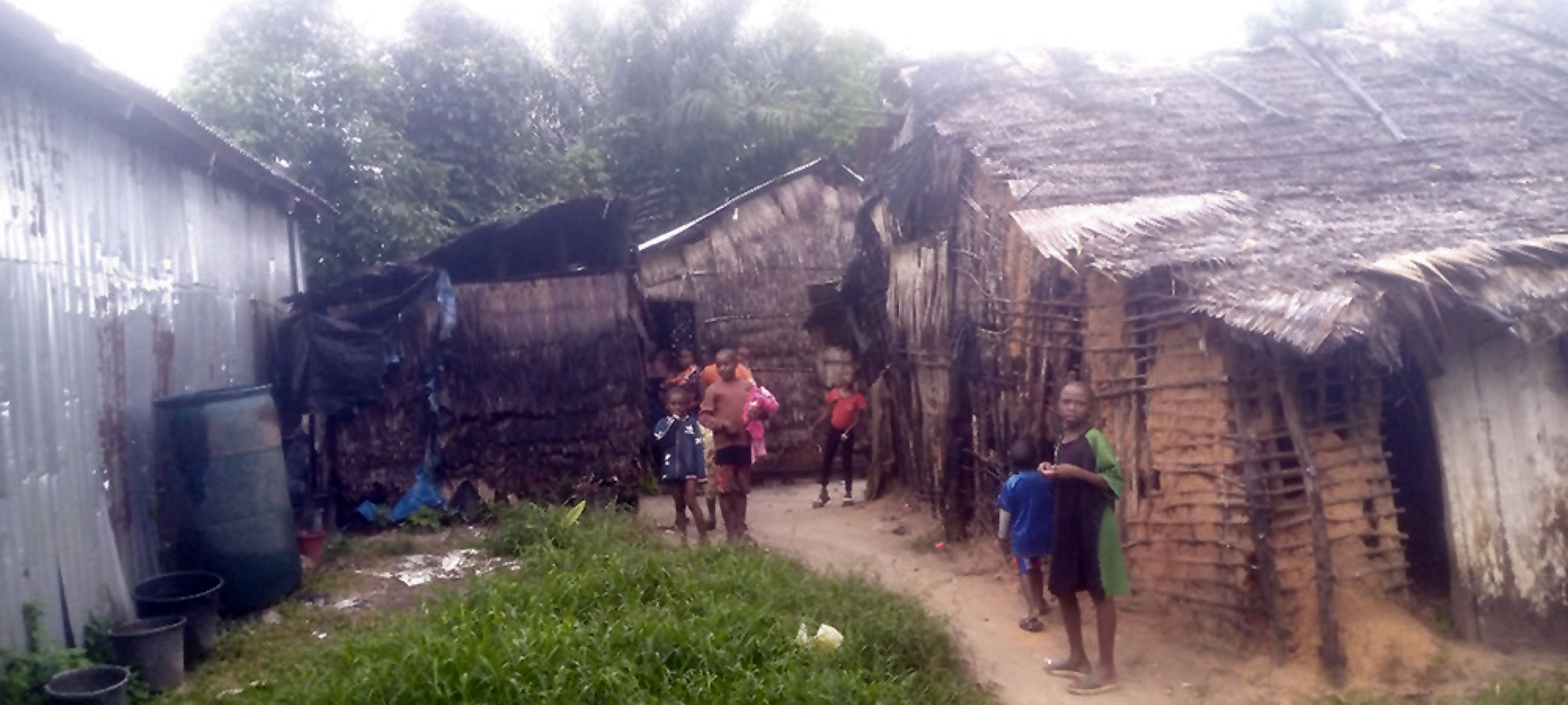
Indeed, though they are surrounded by the deep Atlantic Ocean but no potable water to drink. Found in the midst of oil wells yet overtaken by poverty without social amenities and other means of livelihood to add value to their standard of living.
From the entrance to the local government area through Akwa Ibom State University (AKSU) campus, IkotAkpaden in neighbouring Mkpat Enin council area, leading to Okorette – headquarters of the local government area, the road remains impassable except for trucks or heavy duty vehicles.
This was experienced by the the minister of humanitarian affairs and poverty reduction, Dr. Bernard Duro, on his field assessment mission to Eastern Obolo LGA in his drive to reduce poverty among the people in line with President Bola Tinubu’s Renewed Hope Agenda, aimed at changing the poverty narrative of Nigerians.
According to Duro, the poverty assessment in Eastern Obolo local government was facilitated in partnership with International Alert, led by Dr. Kingsley Udoh, to liaise with oil companies operating in the area for collaboration in alleviating poverty in oil-producing communities through corporate social responsibility (CSR) programmes.
Duro stopped over at the Sterling Global facility – one of the companies drilling crude oil in the area, for a courtesy visit, before proceeding to five communities across the river to see the extent of poverty and report to the Presidency for policy framework that will take the people to better life.
The minister also met with community chiefs and council chairman, Hon. Samuel Nteijah, before his journey to the riverine areas.
In all the visits, it was a tale of neglect, marginalization and total abandonment by oil companies and government, who share oil proceeds from their land while the people live in poverty and diseases such cholera, dysentery and other tropical ailments.
At the jetty in Iko town before boarding a speed boat to the riverine communities of Emeroke 1 and 2, dangerous smoke from gas flaring saturated the atmosphere, while oil companies concentrated on drilling crude oil with their staff shuttling between neighbouring Ikot Abasi and Uyo daily for work, as the communities grope in darkness, battle with shattered roofs of their shanty houses, and chronic diseases tormenting them.
The speed boats sailed through the rough creeks inundated with oil well heads, also known in oil operations as “Christmas Trees” guarded by soldiers to ensure that the wealth of the nation is protected against oil thieves on the ocean.
Finally, speed boats and gunboats berthed at the waterfront in Emeroke 1 as elders, women and youths turned out to welcome the minister with folksong, dance and loud ovation, not minding their condition of hopelessness, disease, hunger and sorrow.
The case of Emeroke was a story that touches the heart. There is no hospital, school, potable water and toilet facilities for the people. Electricity, roads and hospital are far from the community.
Daily Sun gathered that more than 36 persons died from cholera outbreak in the community last year.
That was when the state government and some oil companies teamed up and provided them with mobile toilets for the first time but lack of steady source of water still remains a major challenge on the island.
Narrating their ordeal, the head of the community, His Royal Highness, Okongnko Nkor, said the people are marginalized, considering the resources drawn from their backyard, but there is nothing to show in the standard of living of the people.
“The only secondary school in Emeroke was built three years ago in partnership with Community and Social Development Project.
“Even student enrollment is very low because most our people have left the island for the city due to the poor standard of living.
“We have been marginalized. This state was created in 1987 with correct map but suddenly the immediate past government in the state tinkered through oppressive re-mapping of our community just to shortchange us.
“They carved out some of our oil wells to areas where there are heavyweight politicians and we are crying every day,” he said.
The clan head listed areas where the communities are marginalized to include political appointments, manipulating their God-given resources and replacing them with sickness, hunger and strife to the extent that their waterways have become safe routes for kidnappers, pirates and waterways crimes.
“Presently, the entire local government area does not have a commissioner in AkwaIbom State cabinet,” he lamented.
The paramount ruler of the area, Edidem Harry Etetor, while interacting with the minister, insisted that poverty in the area cannot be compared to any other place in the state despite huge natural resources and multinational companies operating there but with no impact on the lives of residents.
“Here, poverty walks with two legs across the riverine communities. Even in government, we don’t have anybody representing us in the state cabinet for first-hand information to the governor about us.
“We need government intervention in the lives of our people. Oil-producing companies here should also help us,” he said.
Responding, Duro emphasized that he was in the communities to witness things for himself, adding that the visit provided clearer insight and would ensure that interventions align with the real needs of the people.
He reminded oil companies and other operators in the area that corporate social responsibility should have direct impact to lift people out of poverty.
Duro said that poverty reduction in communities should not be left for government alone, adding that companies should specifically invest in CSR programmes in the communities of their operations.
He urged corporate organisations to fund projects that create jobs, give skills to the youth and improve their livelihoods
“This is my appeal: let this be the moment we cease treating corporate social responsibility as a line item and begin treating it as a commitment and honour to real families.
“Direct resources toward skills training for the youth I met today. Direct resources toward clean water that a mother need not walk miles to find.
“Direct resources toward classrooms where a child’s prospects are not diminished by a roof that leaks or is altogether absent.”
According to him, it is a call for partnership so that that a child from Eastern Obolo could become a nurse, an engineer, a teacher or a business owner.
Duro explained that his ministry through the One Humanitarian, One Poverty Response System (OHOPRS), would continue to coordinate with Akwa Ibom State government and every willing partner to respond to the call of poverty alleviation.
Country director of International Alert Nigeria, Dr. Kingsley Udo, highlighted the importance of collaboration in driving sustainable development in communities.
Udo said that the partnerships between government, communities and the private sector were necessary to deliver inclusive and impactful interventions to the people: “The series of engagements underscores International Alert Nigeria’s commitment to fostering partnerships that support sustainable development and strengthen community resilience.”