Follow Us on Google
From Juliana Taiwo-Obalonye, Abuja
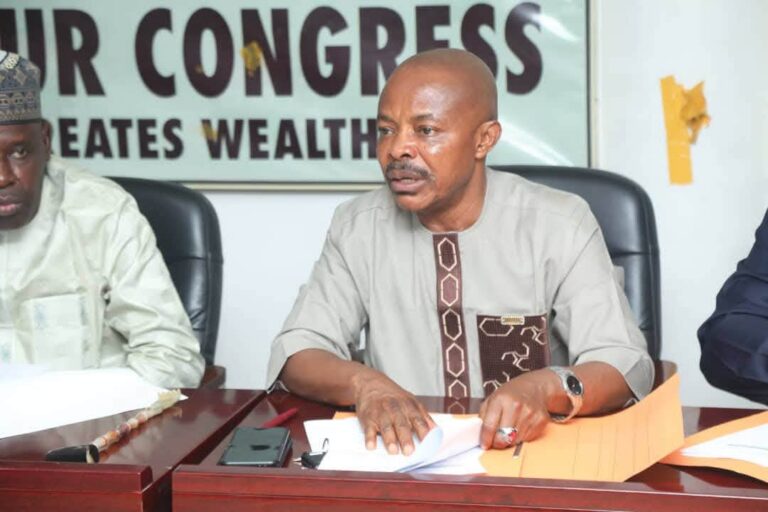
Chairman of Amnesty International Nigeria’s Board of Trustees, Auwal Musa Rafsanjani, has called on the Federal Government of Nigeria, the African Union, the United Nations and Economic Community of West African States (ECOWAS) to intensify efforts to halt the unfolding humanitarian catastrophe in Sudan.
“We call on the Government of Nigeria, the African Union, the United Nations, ECOWAS and the wider international community to intensify efforts towards securing an immediate and sustained ceasefire, guaranteeing unhindered humanitarian access to the affected communities, ensuring protection of civilians, especially women and children, supporting credible investigations and accountability for violations of international human rights and humanitarian law and promoting inclusive dialogue that places the interests of Sudanese civilians at the centre of every peace process,” Rafsanjani said during the presentation of Amnesty International’s report, titled, “City Under Siege, Children Under Fire: Rapid Support Forces’ Crimes against Humanity in North Darfur.”
Rafsanjani urged swift, decisive action, saying that the report’s findings demand urgent international attention and decisive action. He warned that silence and delay only worsen the crisis. “Silence in the face of atrocity only emboldens perpetrators. Justice delayed prolongs suffering. Our collective response today will help determine whether hope can be restored for millions of Sudanese people,” he said.
Highlighting the scale of the humanitarian emergency, Rafsanjani said millions had been displaced, healthcare systems had collapsed in many areas, humanitarian access remains severely restricted and countless families continue to endure unimaginable hardship. He appealed to Nigeria’s diplomatic and peacekeeping legacy, adding that as Africa’s most populous nation and one of the continent’s leading voices in regional peace and diplomacy, Nigeria has an important role to play.
The Amnesty report, launched globally on July 1, documents alleged crimes against humanity by the Rapid Support Forces during the campaign to seize El Fasher in North Darfur, including deliberate attacks on civilians, unlawful killings, widespread displacement, sexual violence and destruction of civilian infrastructure.
He said the findings disproportionately affect children and other vulnerable groups and called for support for credible investigations and accountability for violations of international human rights and humanitarian law.
He also urged regional cooperation and cross-border collaboration, welcoming Amnesty’s colleagues from the East and Southern Africa Regional Office, who travelled from Nairobi and Johannesburg to join the engagement. “Their presence reflects Amnesty International’s shared vision of cross-regional collaboration and demonstrates that Africans can work together across borders to defend human rights and advance peace on our continent,” he said.
He appealed for action beyond sympathy, saying, “The people of Sudan deserve more than our sympathy. They deserve our solidarity. They deserve justice. They deserve peace.”
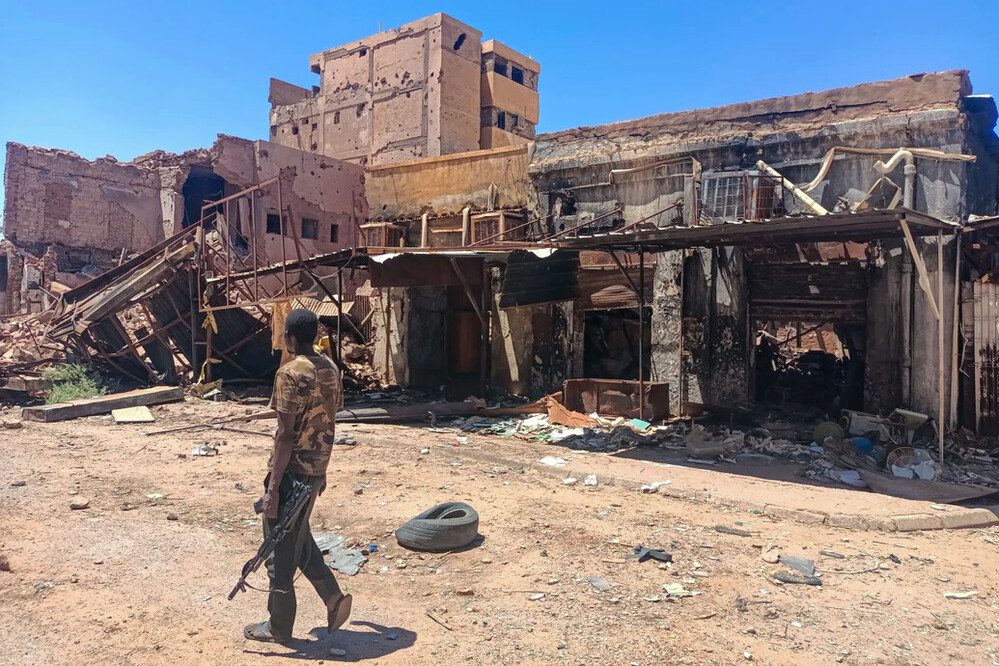
Hassan Abdullahi, Researcher on Sudan, stated that in the conclusion and recommendations section of its report, “City Under Siege, Children Under Fire: Rapid Support Forces’ Crimes Against Humanity in North Darfur,” Amnesty said raids on towns, villages and displacement camps included looting, burning of homes, theft of livestock and killings at close range. Satellite imagery, the group said, confirmed widespread burning and attacks that continued even after residents had fled.
“The siege that followed turned deprivation into a weapon,” the report said, describing blocked supply routes, prevented food deliveries and lethal risks to those trying to bring aid. Families, the report added, survived on animal feed unfit for human consumption, while famine conditions were declared in Zamzam camp and later in El Fasher itself. “Parents watched their children waste away from hunger and untreated illness, powerless to help them,” Amnesty said.
When the Rapid Support Forces (RSF) seized El Fasher in October 2025, the organisation documented a further escalation, saying that civilians fleeing were separated, detained or shot; men and older boys were singled out and executed at the city’s berm; mass killings occurred with ethnic identity reportedly determining who was spared and women and girls were abducted, raped and subjected to sexual slavery.
Other News
“Children were not incidental victims of this violence; they were at its centre,” Amnesty said, listing killings during raids and flight, forced recruitment of boys, sexual abuse of girls, detention, beatings, starvation and attacks on hospitals. The report warned that malnutrition and trauma will shape children’s health and development for years and lamented that humanitarian funding had fallen sharply – Sudan’s 2026 Humanitarian Needs and Response Plan was only 27 percent funded at publication.
Amnesty laid out a series of urgent recommendations aimed at preventing further abuses and ensuring accountability.
To the RSF and allied groups, the group demanded an immediate nationwide ceasefire, an end to all attacks on civilians, unhindered humanitarian access, the release of arbitrarily detained civilians, conditions for sustainable returns of displaced people and an immediate end to the recruitment and use of children.
It called on RSF commanders named in the report, including Major General Gedo Hamdan Ahmed Mohamed (Abu Shouk), Lieutenant Colonel Abbas Khater Bakhit and commander Al-Fateh Abdullah Idris (Abu Lulu), to be removed from command and surrendered to competent authorities for investigation and prosecution.
Amnesty also urged the RSF to publicly support and fully cooperate with the deployment of an Africa Union-led protection force to Sudan, including by guaranteeing its safe and unhindered access to areas under RSF’s control.
To the Sudanese Armed Forces and allied groups, the organisation issued similar demands, saying, “Agree to a ceasefire, allow unrestricted humanitarian access, sign a UN action plan to end violations against children, preserve evidence of abuses, cooperate with accountability mechanisms and support an African Union-led protection force.”
To the Government of Sudan and authorities aligned with the armed forces, Amnesty urged facilitation of full access for the UN’s special procedures and a positive response to outstanding visit requests from the UN’s mandate-holders.
Amnesty called on the African Union Peace and Security Council to apply sustained political pressure on all parties, to urgently establish and deploy a protection force with a mandate to protect civilians and facilitate humanitarian access and to ensure any protection mechanism integrates child protection, gender and human rights monitoring.
To the UN Security Council, the group recommended immediate political pressure for a ceasefire, independent and well-resourced monitoring mechanisms, authorisation of an African Union-led or other appropriate protection force under Chapter VII of the UN Charter, including authorisation to use necessary means to protect civilians, targeted sanctions against individuals implicated in violations, expansion and enforcement of arms embargoes across Sudan and strengthened support for the International Criminal Court (ICC) and other accountability mechanisms.
The report also urged the UN human rights bodies, child protection actors, donor states and Sudan’s international partners to scale up funding for humanitarian and child protection services, back investigations and prosecutions, open safe pathways for people fleeing Sudan, and halt all arms transfers to all parties to the conflict, including pressing the United Arab Emirate (UAE) to stop re-exports to Sudan.
“Without urgent international action, the patterns of egregious abuses documented in this report will continue,” Amnesty warned, adding that “for the children and people of El Fasher and North Darfur, every delay costs lives.”
The recommendations stressed both immediate humanitarian steps and long-term accountability measures, seeking to combine protection on the ground with legal efforts to prevent impunity.