Follow Us on Google
By Lawrence Agbo
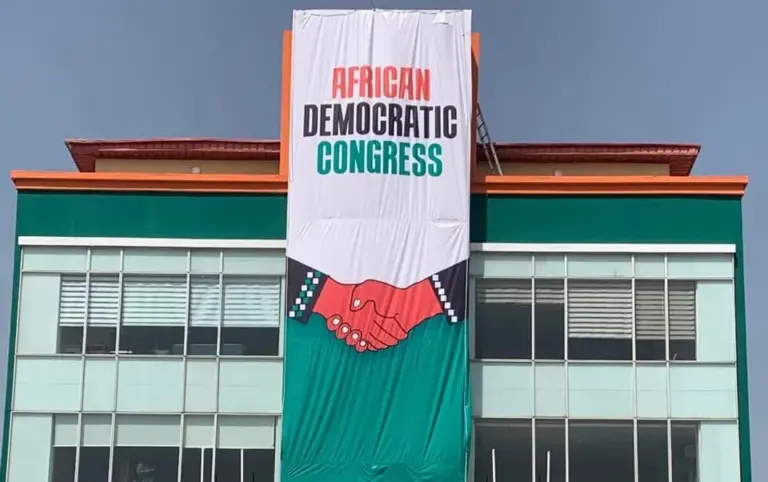
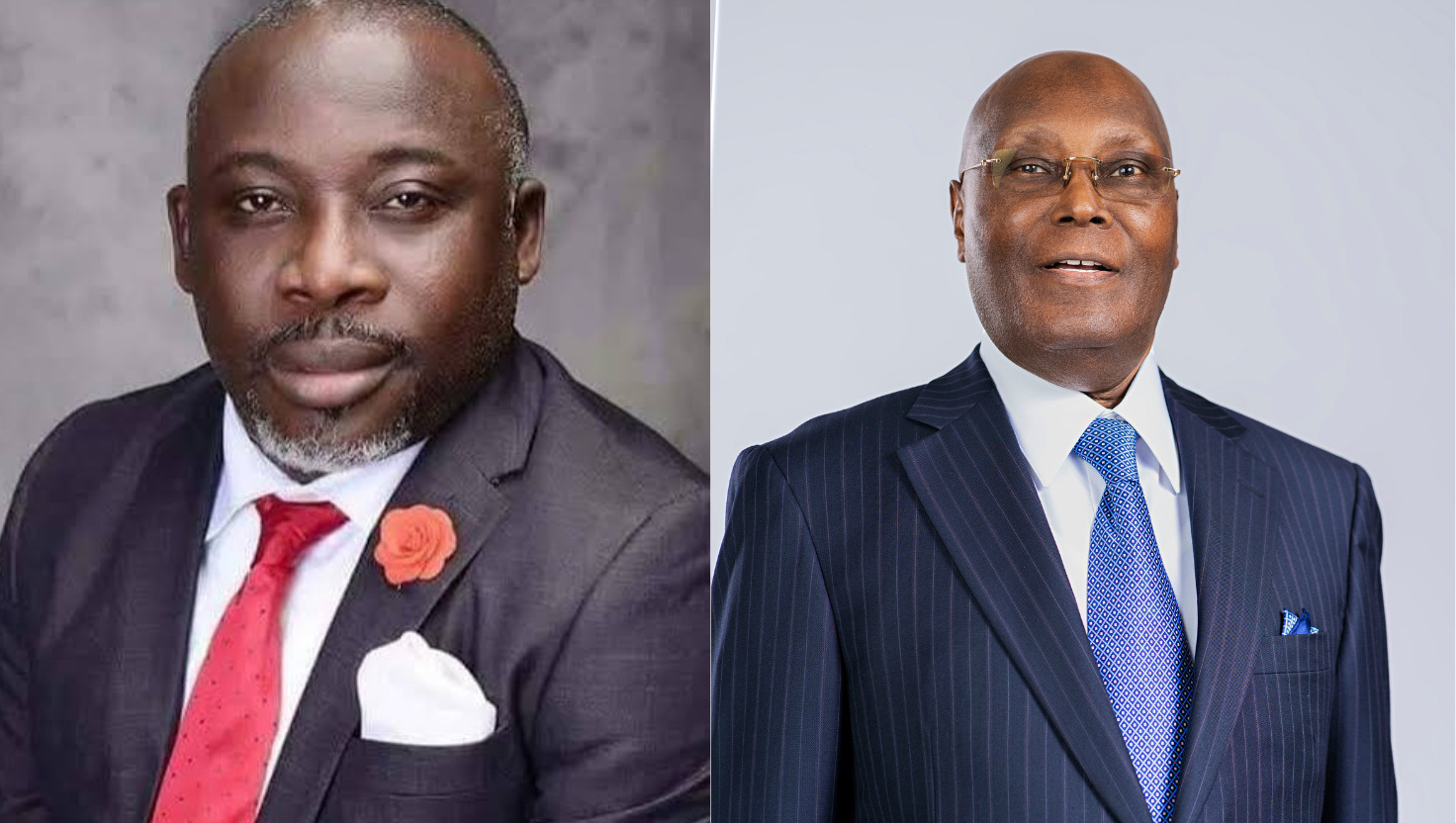
Former lawmaker Teejay Yusuf has advised former Vice President Atiku Abubakar to address the internal divisions within the African Democratic Congress (ADC) instead of directing criticism at the Independent National Electoral Commission (INEC).
Speaking in Abuja on Tuesday, Yusuf said Atiku’s recent allegations against the electoral umpire were an attempt to divert attention from the leadership and structural issues confronting the opposition party ahead of the 2027 general election.
Atiku had claimed that the appointment of the INEC chairman was designed to weaken opposition parties by fueling internal divisions. However, Yusuf rejected the allegation, insisting that political parties are solely responsible for resolving their own disputes and maintaining internal cohesion.
“One of Atiku’s greatest leadership shortcomings is his inability to recognise the obvious challenges confronting the ADC. Rather than confronting these realities with honesty and taking responsibility, he consistently looks for others to blame, he said.
He argued that the challenges facing the ADC stem from within the party and should not be blamed on external institutions.
According to Yusuf, genuine leadership requires honesty, self-assessment and the readiness to take responsibility rather than shifting blame whenever difficulties arise.
Other News
“True leadership demands self-reflection, accountability, and the courage to address internal weaknesses before pointing fingers elsewhere.”
He warned that repeated attacks on INEC without evidence could undermine public trust in the country’s electoral process, stressing that the commission’s responsibility is limited to conducting elections, not managing political parties.
Yusuf maintained that disagreements over leadership, party structures and decision-making should be resolved through democratic processes provided in the party’s constitution.
“Political disputes do not begin at INEC. They begin within political organisations when there are disagreements over leadership, structures, and decision-making. The solution is not to blame institutions but to resolve those disputes through democratic means,” he said.
He also urged political leaders preparing for the 2027 elections to focus on policies and governance instead of engaging in accusations capable of weakening confidence in democratic institutions.
The former lawmaker added that Nigerians expect leaders who can identify problems, provide solutions and strengthen, rather than erode, the country’s democratic system.