Follow Us on Google

From Juliana Taiwo-Obalonye, Abuja
The Presidency has pledged to build safeguards into Nigeria’s proposed state police system to prevent governors from using the security outfit against political opponents, warning that inadequate funding could also expose officers to manipulation by private interests.
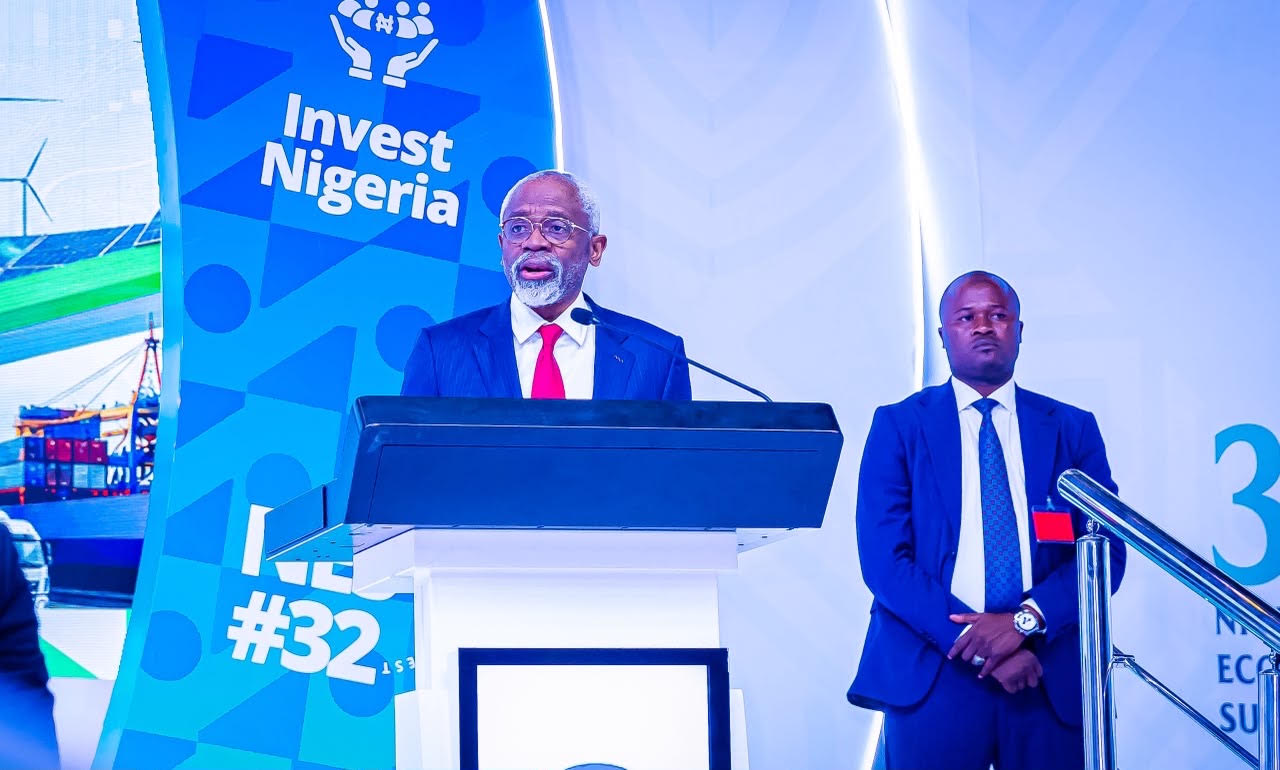
Chief of Staff to the President, Femi Gbajabiamila, said the proposed National Policing Bill would provide enforceable limits on police powers, independent oversight and mechanisms for redress to protect citizens against abuse as the country moves towards decentralised policing.
He also warned that private sector funding of state police must not become a channel for businesses or wealthy individuals to influence investigations, secure preferential treatment or compromise the independence of police institutions.
Gbajabiamila, who chairs the Presidential Working Group on the National Policing Bill, spoke during a plenary session on “Security, Stability and Economic Resilience” at the 32nd Nigerian Economic Summit at the Transcorp Hilton, Abuja, on Monday.
“The concern that police powers could be used against political opponents or vulnerable communities is serious. Our answer is to place enforceable limits on those powers and provide remedies when they are abused,” he said.
He added: “A citizen’s entitlement to protection cannot depend on whom he supports or where she comes from.”
The proposed state police system has generated concerns over the potential abuse of decentralised security powers by state governments, particularly in politically charged environments. Gbajabiamila said the framework must ensure that policing remains a public service accountable to the law rather than to political interests or private patrons.
He warned that states seeking to establish their own police services must demonstrate the financial capacity to sustain them, stressing that the inability to pay salaries, fund training and maintain operations could leave officers vulnerable to improper influence.
“Financial readiness is equally important. A state taking on policing must be able to sustain the service after the initial purchase of vehicles and uniforms.
“Regular pay and continued training are essential to professional conduct. An institution that cannot meet its obligations to its officers becomes vulnerable to private patrons and unlawful demands on the public,” he said.
The Chief of Staff also cautioned against allowing private sector contributions to compromise police independence, insisting that any business involvement must be governed by transparent financing arrangements, published accounts and independent scrutiny.
“Public funding must remain dependable, and a donation must never purchase influence over an investigation or preferential treatment. The object is to strengthen a public service on which every citizen can rely,” he said.
Other News
Gbajabiamila consequently tasked the Nigerian Economic Summit Group (NESG), chambers of commerce and business associations with developing a comprehensive financing and implementation blueprint for state police, including proposals for accountable partnerships and institutional oversight.
He argued that businesses had a direct stake in the reform because insecurity had increased operating costs, disrupted supply chains, delayed investments and forced companies to abandon otherwise viable locations.
He urged the organised private sector to take its proposals into the legislative process and engage governors and lawmakers on the funding and accountability mechanisms required to make the new policing arrangement effective.
Providing an update on the reform, Gbajabiamila disclosed that 24 State Houses of Assembly had approved the constitutional amendment providing for state police as of 23 October, meeting the required two-thirds threshold.
He said the Presidential Working Group had submitted the draft National Policing Bill and 29 consequential amendment bills to the Federal Ministry of Justice on 19 October for legislative review.
According to him, the proposals would be presented to President Bola Tinubu for approval after the review and the working group’s final consideration, before transmission to the National Assembly.
The framework, he explained, would allow states willing and capable of establishing their own police services to assume greater responsibility for protecting residents, while retaining a strong federal police institution to tackle interstate crime and specialised national security challenges.
Gbajabiamila said the reform was intended to address the existing arrangement under which state governments were expected to respond to the consequences of insecurity without having corresponding authority to organise policing.
“Bringing policing closer to the communities it serves can improve local intelligence and shorten the time between a call for help and an effective response,” he said.
He added that the proposed framework had benefited from consultations with state governments, security institutions, members of the public and a Policy Advisory Committee drawn from the public and private sectors.
The Chief of Staff also acknowledged that Nigerians continued to face kidnapping and violent attacks despite government investments in security, saying the administration recognised that its performance must ultimately be measured by the safety of citizens.
“Nigerians living with the threat of abduction or attack are entitled to judge us by their own safety. We recognise the distance between an improvement in national capacity and dependable protection in every community,” he said.
He maintained that the proposed reform, if backed by sustainable financing, professional standards and effective oversight, would strengthen local security while protecting citizens from arbitrary or politically motivated policing.